Residential Service
Deck Cleaning Services in Ohio
Wood and composite decks brought back to life — safely.
Deck Cleaning in Ohio
Ohio moisture turns decks gray, slick, and tired long before their time. We clean wood and composite decks with low pressure and wood-safe solutions that lift out dirt, algae, and mildew without splintering or gouging the boards — so your deck is safe to walk on and ready to enjoy.
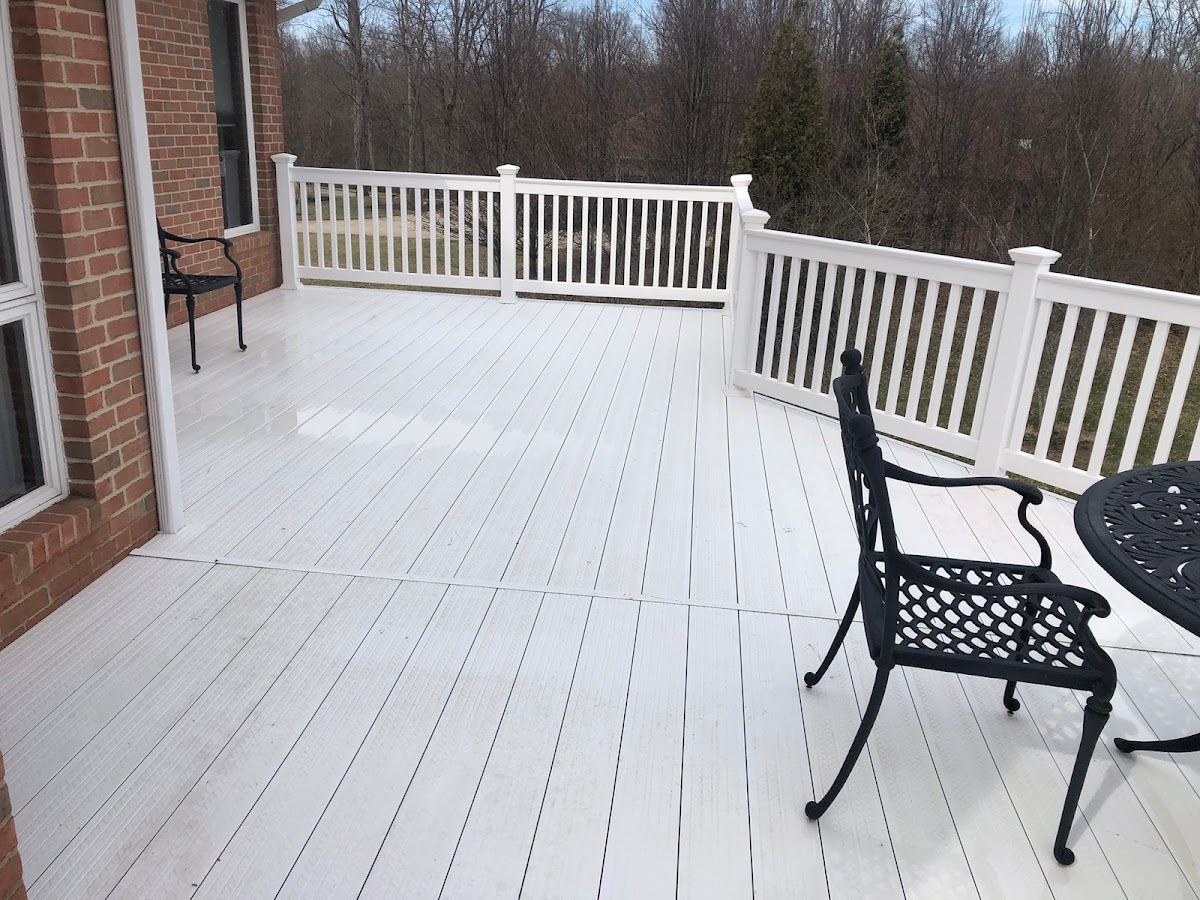
After Before
Deck Cleaning — gray weathering washed away
The Problem
Moisture, UV, and mold turn wood and composite decks gray, slick, and splintered.
Our Surface-Safe Approach
Low-pressure cleaning with wood-safe solutions for both wood and composite decks, with brightening available on request.
The Result
A deck that looks new again and is noticeably safer underfoot.
Why choose Redhead for deck cleaning
- Safe for wood and composite boards
- Removes algae, mildew, and gray weathering
- Wood brightening available on request
- Safer, slip-resistant surface
- Preps wood decks for staining or sealing
Bundle deck cleaning with house washing — doing both in one visit is the most efficient way to refresh your whole exterior.
Deck Cleaning in Ohio
Your complete guide to deck cleaning in Ohio
What Ohio's Climate Does to Your Deck
A deck in Southwest Ohio takes a beating that decks in drier states never see. Our summers are humid, our springs are wet, and our winters run through dozens of freeze-thaw cycles. That combination is exactly what algae, mold, and mildew need to take hold.
The green film you see creeping across shaded boards is usually algae. The black staining and streaking is often Gloeocapsa magma, the same hardy organism that stains north-facing roofs. Both feed on moisture, pollen, and the fine organic dust that settles on horizontal surfaces all season long. Decks are the perfect host: flat, slow to dry, and shaded for part of the day.
Then there is the physical damage. When water soaks into wood grain or into the pores of a composite board and freezes, it expands. Repeat that a few dozen times over a Franklin Township winter and you get raised grain, splintering, and loosened fibers. Springtime dumps a heavy load of tree pollen that mixes with that moisture into a sticky yellow-green paste. And any road salt tracked up from the driveway or walkway leaves behind a residue that dries out and etches finishes. Left alone, all of this compounds. Cleaning is not just cosmetic here. It is how you slow the decay that our climate accelerates.
Wood, Composite, and PVC Decks Each Need a Different Approach
The single biggest mistake in deck cleaning is treating every board the same way. The material dictates the method, and matching the two is where experience matters.
Wood decks (pressure-treated pine, cedar, redwood) are soft and porous. Blasting them with high pressure tears the surface fibers loose, a problem installers call furring. Instead, wood responds to a surface-safe soft wash: a cleaning solution that lifts algae, graying, and mildew out of the grain, followed by a controlled low-pressure rinse. That approach cleans deep without carving lines into the boards.
Composite decks (Trex, TimberTech, and similar wood-plastic boards) resist rot but are not maintenance-free. They develop a stubborn algae and mildew film in their textured surface that a garden hose will not touch. They also scratch and can have their embossed grain melted or gouged by an aggressive tip. We clean composite with the right solution and a gentle rinse that clears the film without marring the finish or voiding the manufacturer's warranty.
PVC and capped decks clean similarly to composite but need attention to seams and railing connections where grime hides. Whatever the material, we identify it first, test an inconspicuous spot, and dial the method to the surface, not the other way around. The same thinking applies to the horizontal surfaces around your deck, from a stone or concrete patio to a wood or vinyl fence line.
How Professional Soft Washing Actually Works
Soft washing sounds like a lighter version of pressure washing. It is really a different process built around cleaning solution instead of raw force. Here is what that means in practice.
We start by clearing furniture, grills, and planters, then protect nearby plantings and pre-wet the greenery so nothing gets stressed. Next comes a surface-safe cleaning solution applied at low pressure and given time to dwell. That dwell time is the part homeowners skip. The solution needs several minutes to break down the algae, mildew, and organic staining at the root, not just push it around. Killing the organism is what keeps the deck clean longer, because a high-pressure blast that only strips the surface leaves living spores behind that regrow within weeks.
After the solution has done its work, we rinse with controlled low pressure that flushes the loosened grime out of the grain and off the surface without furring wood or scratching composite. Railings, spindles, stair treads, and the fascia get the same attention as the deck floor, because those are the spots that show neglect fastest. The result is a deck that is genuinely clean down into the pores, dries evenly, and stays looking right through the season. The same soft-wash principle protects the siding above your deck when we handle a full house washing.
Signs Your Deck Is Overdue for a Cleaning
Decks rarely fail overnight. They give you warnings. Catching them early is the difference between a routine wash and a costly board replacement.
- Green or gray film. A dull green haze is algae. An overall silver-gray on wood means UV and moisture are breaking down the surface. Both come clean.
- Black streaks and spotting. Usually mildew or Gloeocapsa staining, most common on the shaded north and east sides.
- Slippery boards. If the deck is slick after rain or morning dew, that is a biological film, and it is a genuine slip hazard on stairs.
- A musty smell. Trapped moisture and organic growth in the boards below.
- Water soaking in instead of beading. On a sealed wood deck, that tells you the finish has worn through and the wood is now drinking up every rain.
- Pollen and grime buildup. The yellow-green coat that settles every spring and never fully washes off with rain alone.
If you are seeing two or more of these, the deck is past due. Waiting lets moisture and growth work deeper into the material, and that is when cleaning turns into repair.
How Often to Clean, and the Best Time of Year in Ohio
For most decks in the Dayton-to-Cincinnati corridor, a thorough cleaning once or twice a year is the sweet spot. Decks that sit in shade, under trees, or near a wooded lot green up faster and often need attention every three to four months. A deck in full sun with good airflow can sometimes stretch to once a season.
Timing matters as much as frequency. A spring cleaning clears off the winter's grime, algae, and pollen and preps the deck for the months you actually use it. A fall cleaning pulls off fallen leaves, tannin stains, and organic buildup before they sit under snow all winter and feed next year's growth. That fall wash also matters if you plan to reseal, because bare, clean wood going into winter fares far better than neglected wood.
One practical note: if you intend to stain or seal, the deck must be cleaned first and given time to dry completely. A clean surface is the foundation for a finish that actually bonds. We are glad to time a wash around your staining schedule so the two line up. Homeowners across Springboro and Centerville ask us about this constantly, and the answer is almost always to clean early in the dry stretch and let the wood breathe before any finish goes down.
What Makes the Result Last (or Fade Fast)
Two decks cleaned on the same day can look completely different six months later. The variables are worth understanding before you spend the money.
Shade and airflow are the biggest factors. A deck tucked under mature trees stays damp and grows algae back faster than one that gets sun and a breeze. Trimming back overhanging branches to let light and air reach the boards buys you months of extra clean.
Drainage matters too. Standing water, clogged gaps between boards, and planters that trap moisture against the surface all shorten the clean. Keeping the gaps clear and lifting planters onto feet makes a real difference.
The finish is your insurance. A sealed or stained wood deck sheds water and resists regrowth far longer than bare, weathered wood. Cleaning followed by a quality seal is the combination that holds up. And proper method is what protects it all. When the cleaning is done with the right solution and controlled pressure, the surface stays intact and the next cleaning is easier. When it is blasted, the roughened, furred surface actually holds dirt and grows algae faster than before.
The DIY Mistakes That Wreck Decks
We get called out to fix rented-pressure-washer damage more often than you would think. The tool is not the problem. The lack of feel for it is. Here are the errors that do the most harm.
- Too much pressure. A high-PSI tip held too close carves lines into wood and raises the grain into a fuzzy, splintery mess called furring. On composite, it can gouge or melt the embossed texture permanently. There is no undoing it.
- Wrong nozzle. A narrow zero-degree or turbo tip concentrates all that force into a point. It is the fastest way to scar a board.
- No cleaning solution, all force. Trying to muscle off algae with water alone means going harder and harder to get results, doing more damage while leaving the living growth behind to return within weeks.
- Inconsistent technique. Uneven passes, stopping mid-board, and varying distance leave blotchy stripes and wand marks that show up worse once the deck dries.
- Harsh bleach on plants and wood. The wrong mix or concentration burns landscaping and can lighten or damage the wood itself.
Add in ladders, slick boards, and a heavy wand, and a DIY deck cleaning becomes a real fall and injury risk too. A rented machine costs money and a Saturday. Fixing a furred deck costs a lot more.
Why a Licensed and Insured Local Pro Is Worth It
Hiring out a deck cleaning is not about avoiding effort. It is about avoiding the damage that turns a wash into a repair, and about who is responsible if something goes wrong. As a licensed and insured, owner-operated company based in Springboro, we carry the coverage that protects your property and anyone working on it, so a slip or an accident is never your problem.
Being local means we know these decks. We know what an Ohio winter and a humid summer do to pressure-treated pine and to composite, and we match the method to your material and its condition rather than running one setting across everything. We give free written estimates up front so you know the scope before we start, and we treat your property as our own, protecting plantings, moving what needs moving, and cleaning up when we are done. That reputation is why we hold a 5.0-star rating across our reviews.
We serve the I-75 corridor from Dayton through Cincinnati and beyond. If your deck is looking gray, green, or slick, let us take a look. Call or text (351) 242-0666 for a free estimate, and we will tell you honestly what it needs and when the best time to do it is.
Real Jobs
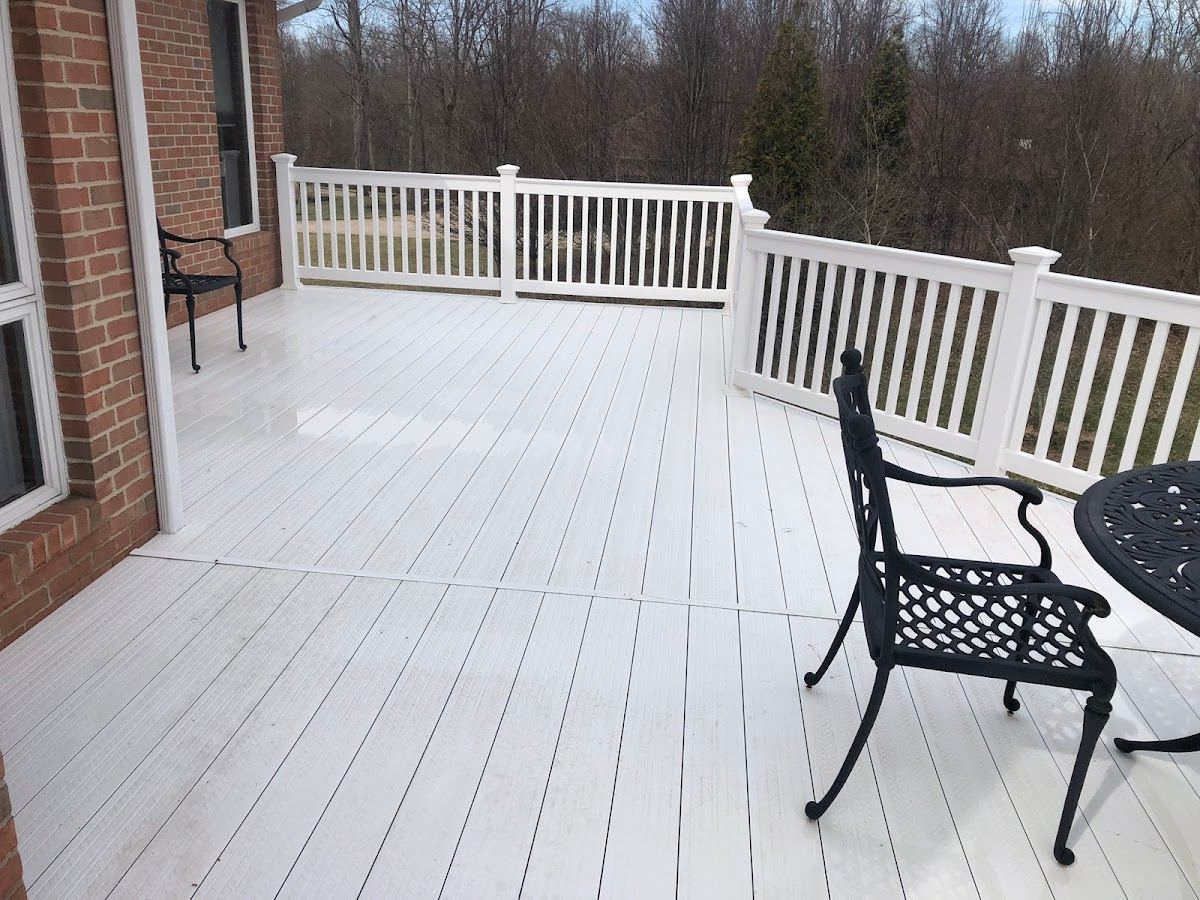
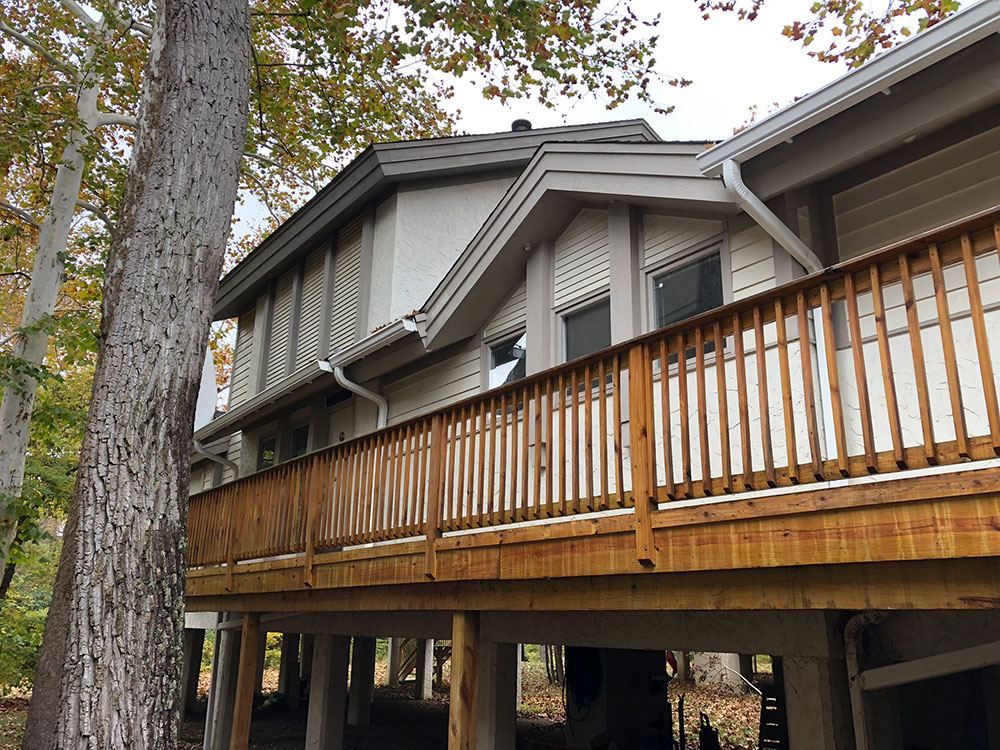
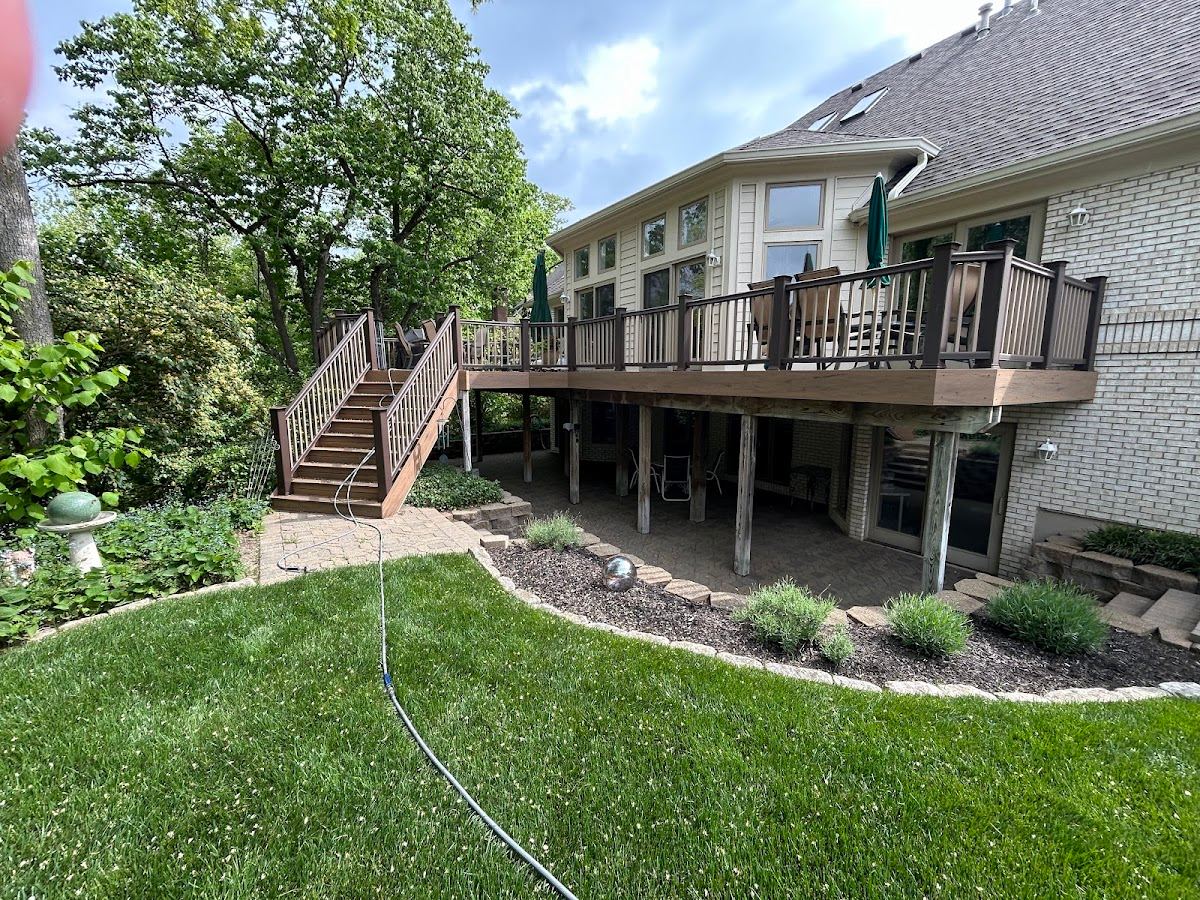
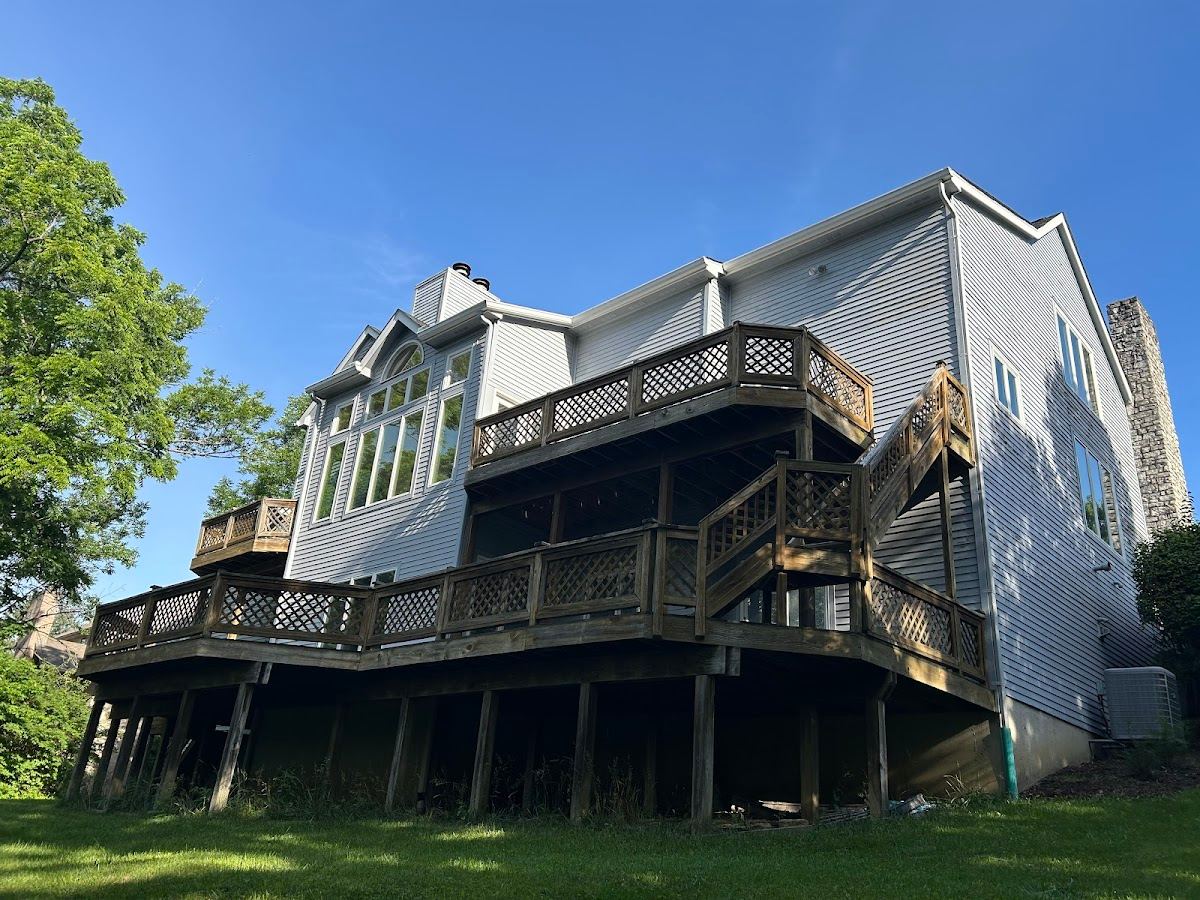
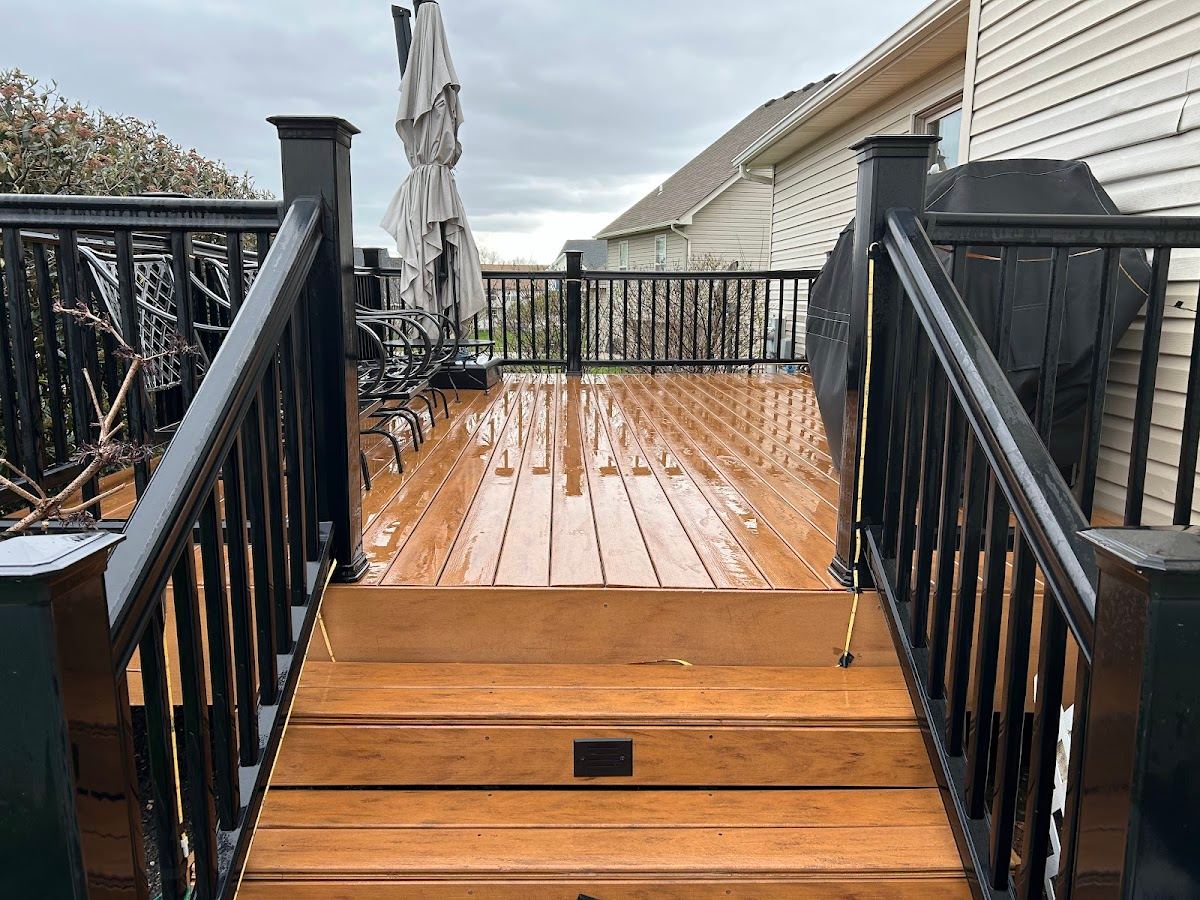
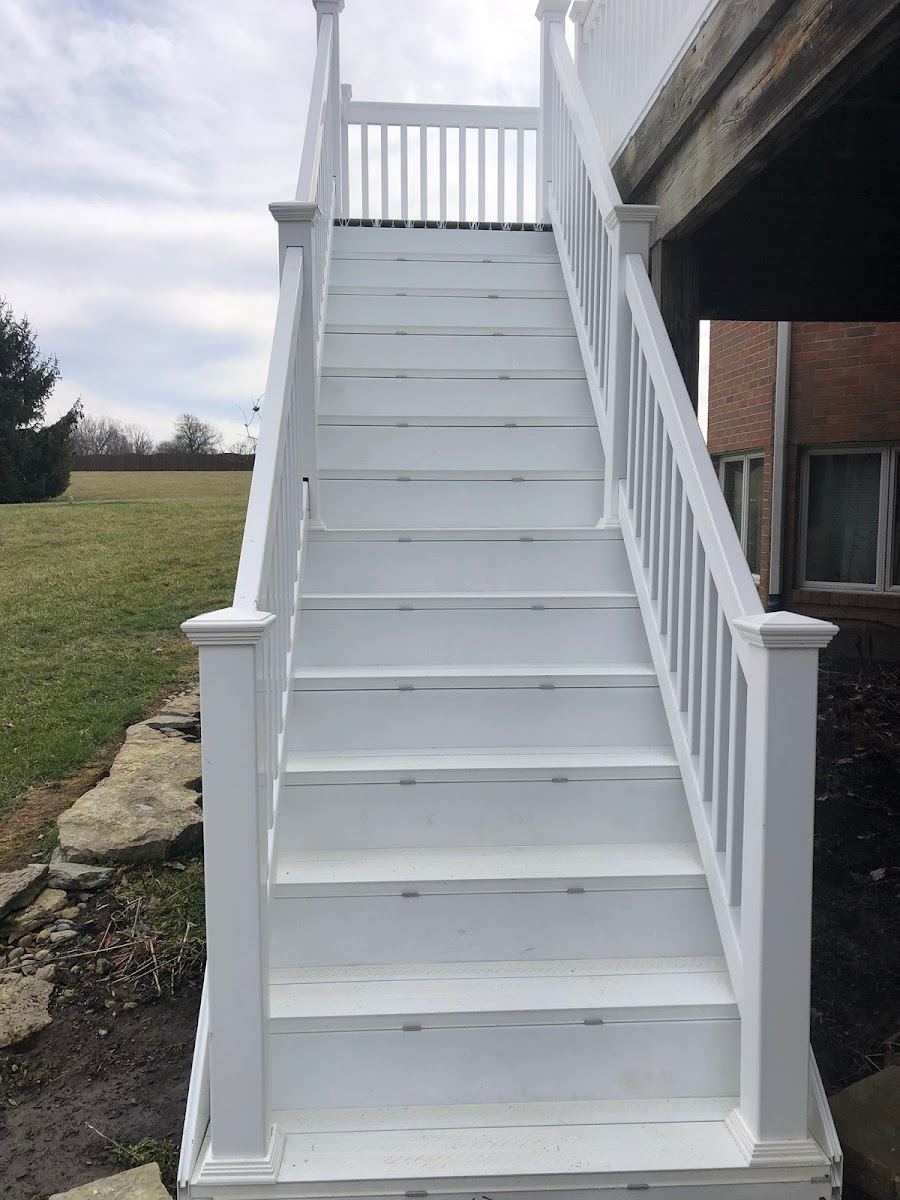
Deck Cleaning — Recent Work
Real photos from Redhead Pressure Cleaning jobs across Ohio.
How It Works
Our Deck Cleaning Process
- 1
Request a Free Estimate
Call or text us a quick description (a photo helps) and we send back a clear, no-obligation quote.
- 2
We Inspect the Surface
We look at the material, the buildup, and the surroundings to choose the safest, most effective method.
- 3
We Choose the Right Method
High pressure for hard surfaces, low-pressure soft washing for siding, roofs, and delicate materials.
- 4
We Wash Safely & Thoroughly
We protect landscaping, apply surface-safe cleaning solutions, and clean every section with care.
- 5
Final Walkthrough
We walk the finished work with you to make sure you're happy before we pack up.
Related Services
Questions
Deck Cleaning FAQs
It can, if it's done with too much pressure or the wrong tip. High PSI on softwoods like pine and cedar raises and tears the grain, leaving a fuzzy, splintered surface called furring that can't be undone. We use a surface-safe soft wash, cleaning solution plus controlled low-pressure rinsing, so the boards come clean without the damage.
Yes. Composite and PVC decks resist rot but still grow an algae and mildew film in their textured surface that a hose won't remove. We clean them with the right solution and a gentle rinse that clears the film without scratching the finish, gouging the embossed grain, or voiding the manufacturer's warranty.
Once or twice a year works for most decks in our climate. Decks in shade, under trees, or near woods green up faster and often need it every three to four months, while a sunny, well-ventilated deck can sometimes go a full season. Spring and fall are the ideal windows.
The green film is usually algae, and the black streaking is often mildew or Gloeocapsa magma, the same organism that stains roofs. Both thrive in Ohio's humidity and moisture, especially on shaded north and east sides. A soft wash kills the growth at the root so it stays gone longer than a surface blast would.
Absolutely. Stain and sealer only bond to a clean, sound surface. Dirt, algae, and old graying will keep a finish from adhering and lead to blotching and early failure. We clean first and let the wood dry fully, and we can time the wash around your staining schedule so the two line up.
That slick feel is a biological film, algae, mildew, or moss, holding moisture on the surface. It's more than a nuisance; it's a genuine slip hazard, especially on stairs. Cleaning removes the film and restores traction, and killing the growth keeps it from coming right back.
Yes. We pre-wet and protect nearby plantings before we start and rinse them again afterward, and we choose solution concentrations that clean the deck without burning your greenery. Treating your property as our own is how we work every job.
Request a Free Estimate
Tell us about your deck cleaning job — a photo helps us quote fast.
Ready for Professional Deck Cleaning?
Get a free, no-obligation estimate for deck cleaning anywhere in Springboro, the I-75 corridor, and across Ohio.