Residential Service
Roof Washing Services in Ohio
Soft-wash roof cleaning that removes black streaks — warranty-safe.
Roof Washing in Ohio
Those black streaks running down your roof are not dirt — they are algae feeding on your shingles. Left alone, they shorten your roof's life. Our soft-wash roof cleaning kills the algae and rinses it away without high pressure, so your roof looks new again and your shingle warranty stays intact.
The Problem
Black streaks on asphalt shingles are Gloeocapsa magma algae that feed on the limestone filler in shingles — cosmetic and life-shortening.
Our Surface-Safe Approach
Soft-wash roof cleaning with a low-pressure solution that kills the algae and rinses clean without lifting shingles or stripping granules.
The Result
A roof that looks new again, with regrowth held off for years and manufacturer warranties respected.
Why choose Redhead for roof washing
- Removes black algae streaks and moss
- Soft-wash method protects shingle granules
- Keeps manufacturer roof warranties intact
- Extends the usable life of your roof
- Done safely from the ground where possible
Never let a contractor put high pressure on your roof — it strips the protective granules and can cause leaks. Always ask about the method first.
Roof Washing in Ohio
Your complete guide to roof washing in Ohio
Those Black Streaks Aren't Dirt — They're Living Algae
The dark streaks running down your shingles are almost never dirt, soot, or normal weathering. They're a colony of blue-green algae called Gloeocapsa magma, and it's alive. This organism travels by airborne spores, lands on your roof, and feeds on the limestone filler baked into asphalt shingles. As it grows, it forms a dark, protective sheath to shield itself from UV light. That sheath is the black stain you see from the street.
Ohio gives this algae close to ideal conditions. Warm, humid summers along the I-75 corridor keep roof surfaces damp long after a storm passes. North-facing slopes and shaded sections under tree cover dry slowest, which is exactly why streaks usually show up there first. Once a colony establishes, it spreads downhill as rain carries spores across the rest of the roof.
The damage isn't only cosmetic. Algae holds moisture against the shingle, and that trapped dampness accelerates granule breakdown and shortens the roof's service life. Left long enough, algae gives way to moss and lichen — and those root into the shingle mat, lift edges, and open real paths for water intrusion. Roof washing kills the organism at the source and stops that progression before it turns into a roofing repair.
How Soft Washing Actually Cleans a Roof — Step by Step
Roof washing done correctly is a chemistry job, not a pressure job. It uses a surface-safe cleaning solution to kill the algae, moss, and lichen biologically, then a low-pressure rinse to carry the dead growth away. This method — known as soft washing — is the approach roofing manufacturers and industry groups recommend for asphalt shingles, because it cleans without ever putting mechanical force against the granules.
Here's what the work involves in practice. First we protect the property: we saturate landscaping, shrubs, and foundation plantings with water before and after so the cleaning solution can't concentrate on them, and we account for downspout runoff. Next we apply the cleaning solution across the affected slopes at low pressure and let it dwell. Dwell time matters — the solution needs time to penetrate that protective algae sheath and break the colony down at the root. Heavy moss and lichen may get a second application. Then we rinse gently and let the roof finish clearing over the following days as rain washes the last residue away.
You'll often see immediate improvement on the algae streaks, while thick moss can take a couple of weeks to fully release and drop off. That's normal and expected. The goal isn't to blast growth off on the spot — it's to kill it so it doesn't grow back next season. Because water sheeting off a clean roof carries grime with it, roof washing pairs naturally with gutter cleaning so the debris that loosens doesn't clog your gutters afterward.
Matching the Method to Your Roofing Material
Not every roof is asphalt, and the right approach changes with the surface. A good roof washing plan starts by reading the material and adjusting solution strength and technique accordingly.
- Asphalt and architectural shingles. The most common roof in Ohio, and the one most vulnerable to pressure. The protective mineral granules are what give the shingle its color and UV resistance; strip them and you shorten the roof's life. These get low-pressure soft washing only.
- Cedar shake and wood shingles. Wood holds moisture and grows moss readily. It needs a gentler solution and careful rinsing to avoid raising the grain or driving water into the wood.
- Concrete and clay tile. Durable, but the coating and the mortar are not indestructible, and walking a tile roof carelessly cracks tiles. Method and foot traffic both have to be controlled.
- Metal and standing-seam. Generally the most forgiving surface, but the finish coating still deserves a surface-safe solution rather than harsh scrubbing.
The house underneath matters too. Streaking and organic growth rarely stop at the roofline — the same algae and grime often stain siding, soffits, and fascia. Handling the walls with house washing at the same visit gives the whole exterior a consistent, finished look instead of a clean roof over dingy siding.
Signs Your Roof Is Overdue for a Wash
Most roofs tell you they need attention well before a problem becomes urgent. Watch for these signs:
- Dark streaks running vertically down the shingles, usually starting on north- or shade-facing slopes. This is active algae.
- Green fuzzy patches or raised clumps — that's moss, and it means the growth has advanced past the algae stage.
- Crusty, flat gray-green spots that look painted on. That's lichen, which bonds tightly to the shingle and is the most stubborn to remove.
- Granules collecting in your gutters or at the base of downspouts. Some shedding is normal on an aging roof, but heavy loss can signal that trapped moisture is breaking the shingles down.
- A roof that looks noticeably darker or dirtier than your neighbors', especially if theirs get more sun.
Catching it at the streak stage is far easier — and easier on your roof — than waiting until moss has taken hold. If you're seeing any of these from the driveway, it's worth a look.
How Often to Wash, and the Best Time of Year in Ohio
For most homes in the Dayton-to-Cincinnati region, a roof wash every two to three years keeps algae and moss from ever gaining a foothold. Some roofs need it more often, some less — the honest answer depends on your specific conditions.
You'll likely fall on the shorter end of that range if your roof is heavily shaded, sits under a tree canopy that drops leaves and keeps things damp, faces north, or is in a low, humid spot that holds moisture. Roofs that get full sun and good airflow tend to stay clean longer. Rather than clean on a rigid calendar, the smart move is to clean when the growth first appears and then keep an eye on it.
Timing within the year matters in our climate. Late spring through early fall is ideal, when temperatures are mild and the cleaning solution can dwell and work as intended. We avoid roof work in freezing conditions — Ohio's freeze-thaw cycle is hard enough on shingles without adding water and cold together. Cleaning before winter is a genuine advantage: a roof free of moss and organic buildup sheds snowmelt cleanly and doesn't trap moisture that repeated freezing and thawing can work into the shingle surface.
What Determines How Long the Results Last
A professional roof wash typically keeps a roof clear of visible algae streaking for several years, but the exact span comes down to a handful of factors — and it's worth being straight about them rather than promising a fixed number.
- Sun and shade. The single biggest variable. A sunny, well-drained roof stays clean far longer than a shaded, damp one where spores re-establish quickly.
- Surrounding trees. Overhanging branches drop debris, shed spores, and keep sections wet. Trimming them back extends results significantly.
- How thoroughly the growth was killed. This is where technique matters. Rinsing growth off without killing it at the root guarantees a fast return; treating it properly is what buys you the years.
- Roof age and condition. Older, weathered shingles with worn granules hold moisture more readily and re-colonize sooner.
- Ohio's humidity and pollen. Spring pollen and summer humidity give algae plenty to work with, so our region generally trends toward the more-frequent end of the scale.
Preventive measures help too. Zinc or copper strips near the ridge release trace metal ions when it rains, creating conditions algae dislikes — though their reach is limited to the areas the runoff touches, and any fasteners through shingles should be weighed against your roof warranty. Keeping gutters flowing and branches trimmed does more for longevity than most homeowners expect.
Why DIY Roof Cleaning So Often Backfires
The internet is full of roof-cleaning shortcuts, and most of them cause more damage than the algae ever would. The most common — and most expensive — mistakes we see:
- Pressure washing the shingles. This is the big one. A pressure washer blasts off the protective granules, weakens the shingle mat, and can drive water up under the shingles where it doesn't belong. It also voids most manufacturer warranties. The damage is permanent, and it dramatically shortens the roof's life.
- Scrubbing or scraping moss by hand. Dragging a brush or scraper across shingles tears at the granule surface and pulls at the mat. It feels productive and quietly ruins the roof.
- Guessing at solution strength. Too weak and the growth returns in months. Too strong or misapplied and you kill the landscaping below, streak the siding, or corrode metal flashing and fixtures.
- The ladder-and-roof safety gap. A wet, sloped roof is genuinely dangerous. Falls from roofs are among the most serious home-maintenance injuries there are, and no clean roof is worth that risk.
Roof washing looks simple from the ground. The margin for error — on your roof, your plants, and your own safety — is what makes it a job worth doing right the first time.
Get a Free Estimate on Your Roof Wash
Hiring a licensed and insured local pro isn't about paperwork — it's about protecting the biggest exterior surface on your home. Being properly insured means that if anything goes wrong on a ladder or a slope, you're not on the hook. Being local means we know exactly what Ohio's humidity, freeze-thaw cycles, and shade patterns do to a roof, because we clean roofs across this region every season. We treat your property as our own: your landscaping, your siding, and your shingles all get accounted for before the first drop of solution touches the roof.
Redhead Pressure Cleaning is owner-operated and serves the I-75 corridor from Springboro through Dayton and Cincinnati, along with communities statewide. If you're seeing black streaks, green patches, or a roof that just looks tired, we'll give you a straight assessment and a free written estimate — no pressure, no upsell. Call or text us at (351) 242-0666 and we'll take a look.
Real Jobs
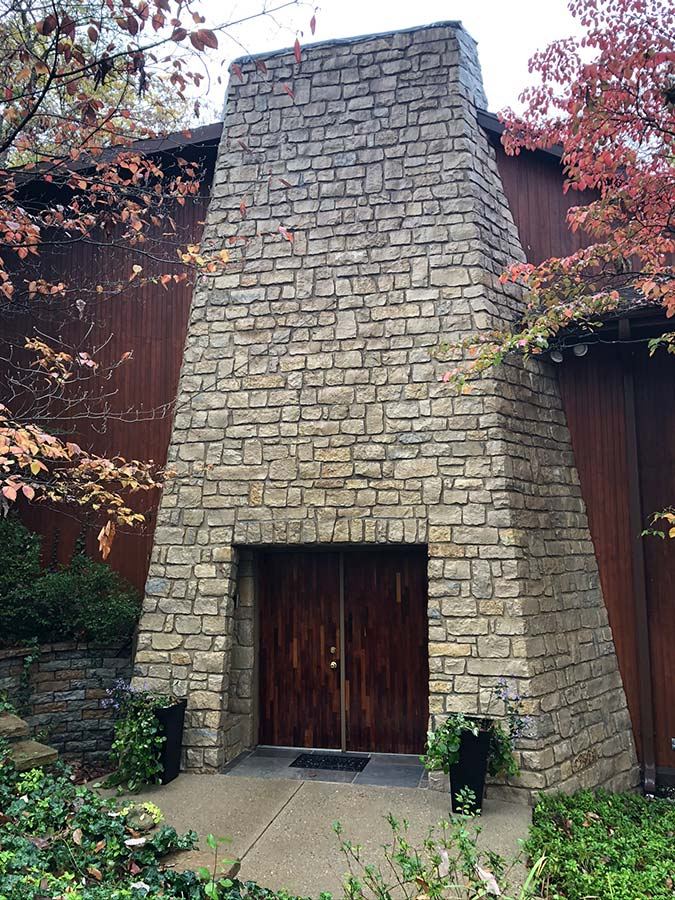
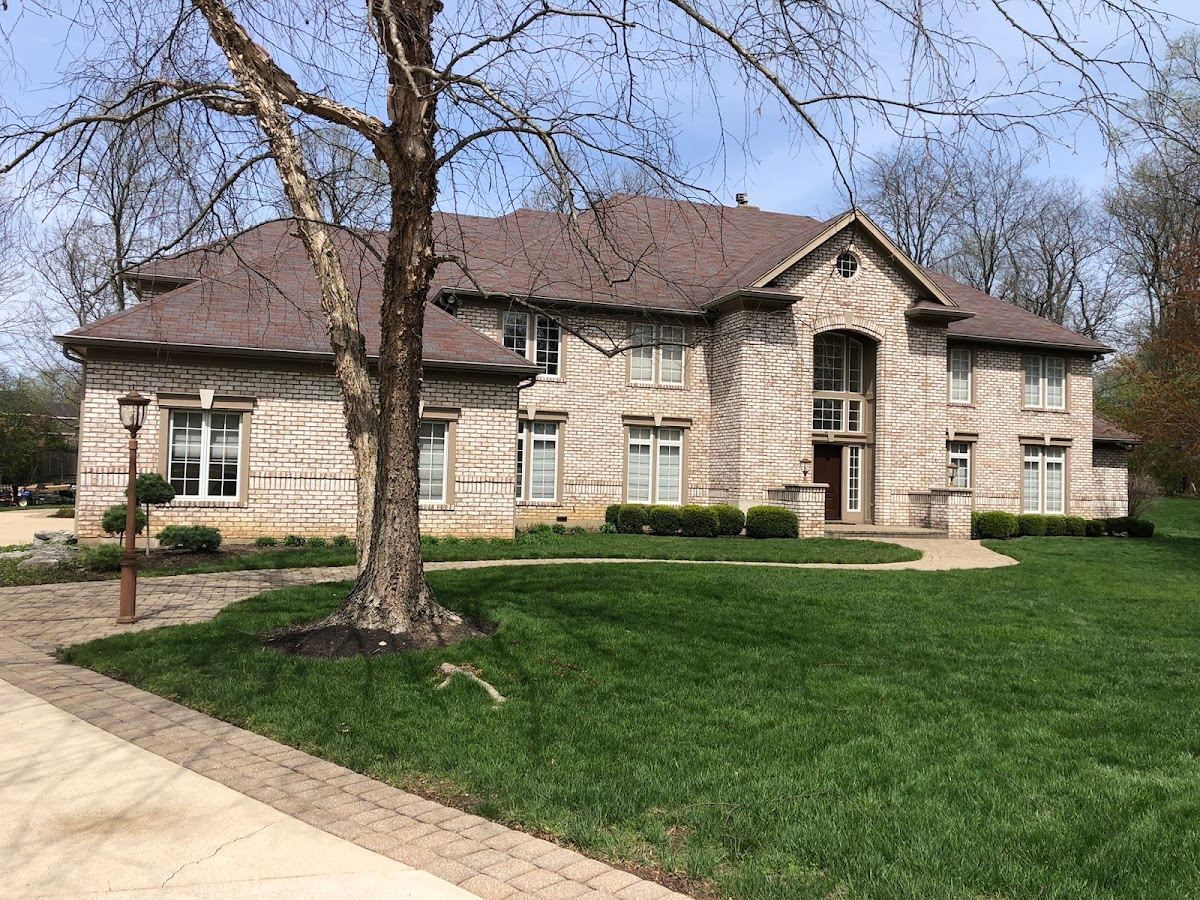
Roof Washing — Recent Work
Real photos from Redhead Pressure Cleaning jobs across Ohio.
How It Works
Our Roof Washing Process
- 1
Request a Free Estimate
Call or text us a quick description (a photo helps) and we send back a clear, no-obligation quote.
- 2
We Inspect the Surface
We look at the material, the buildup, and the surroundings to choose the safest, most effective method.
- 3
We Choose the Right Method
High pressure for hard surfaces, low-pressure soft washing for siding, roofs, and delicate materials.
- 4
We Wash Safely & Thoroughly
We protect landscaping, apply surface-safe cleaning solutions, and clean every section with care.
- 5
Final Walkthrough
We walk the finished work with you to make sure you're happy before we pack up.
Related Services
Questions
Roof Washing FAQs
Not when it's done as a soft wash. Damage and voided warranties come from pressure washing, which strips the protective granules off asphalt shingles. Roofing manufacturers recommend a low-pressure, solution-based approach instead — which cleans the roof without any mechanical force against the shingle surface. That's the method we use.
Algae streaks usually show noticeable improvement right away, and the roof continues to clear over the following days as rain rinses the last residue. Thick moss and lichen can take up to a couple of weeks to fully die back and release from the surface. That's normal — the solution is killing the growth at the root rather than just blasting it off.
You can find that advice online, but it goes wrong easily. Getting the solution strength right is tricky — too weak and the algae returns in months, too strong and you kill landscaping, streak siding, or corrode flashing. Add a wet, sloped roof and a ladder, and the safety risk alone makes it a poor DIY project. This is one where a pro protects both your roof and yourself.
They start on the slopes that stay damp longest — typically north-facing and shaded sections that get the least sun. Algae needs moisture, so the areas that dry slowest after Ohio's humid summers and frequent storms colonize first, then spread downhill as rain carries spores across the rest of the roof.
Yes. A roof free of moss and organic buildup sheds snowmelt cleanly and doesn't hold moisture against the shingles. That matters in Ohio, where the freeze-thaw cycle can work trapped water into the shingle surface over the winter. Cleaning in late spring through early fall, before the cold sets in, is ideal timing.
It usually makes sense. The same algae and grime that streak your roof often stain the siding, soffits, and fascia too, so handling the walls with house washing at the same visit gives the whole exterior a consistent look. And because washing loosens roof debris that can wash into your gutters, pairing it with gutter cleaning keeps those flowing afterward.
Algae shows as flat dark or black streaks running down the slopes. Moss appears as green, fuzzy, raised clumps. Lichen looks like crusty gray-green spots that seem painted onto the shingle and cling tightly. Algae is the easiest to treat; moss and lichen are more advanced and stubborn, which is why it pays to address streaks early.
Request a Free Estimate
Tell us about your roof washing job — a photo helps us quote fast.
Ready for Professional Roof Washing?
Get a free, no-obligation estimate for roof washing anywhere in Springboro, the I-75 corridor, and across Ohio.