Residential Service
Soft Washing Services in Ohio
Low-pressure cleaning for siding, roofs, and delicate surfaces.
Soft Washing in Ohio
High pressure has its place — but on siding, roofs, and painted surfaces it can do real damage. Soft washing uses low pressure and professional cleaning solutions to dissolve algae, mildew, and organic growth and rinse it away. It is the safer, longer-lasting way to clean the most delicate parts of your home.
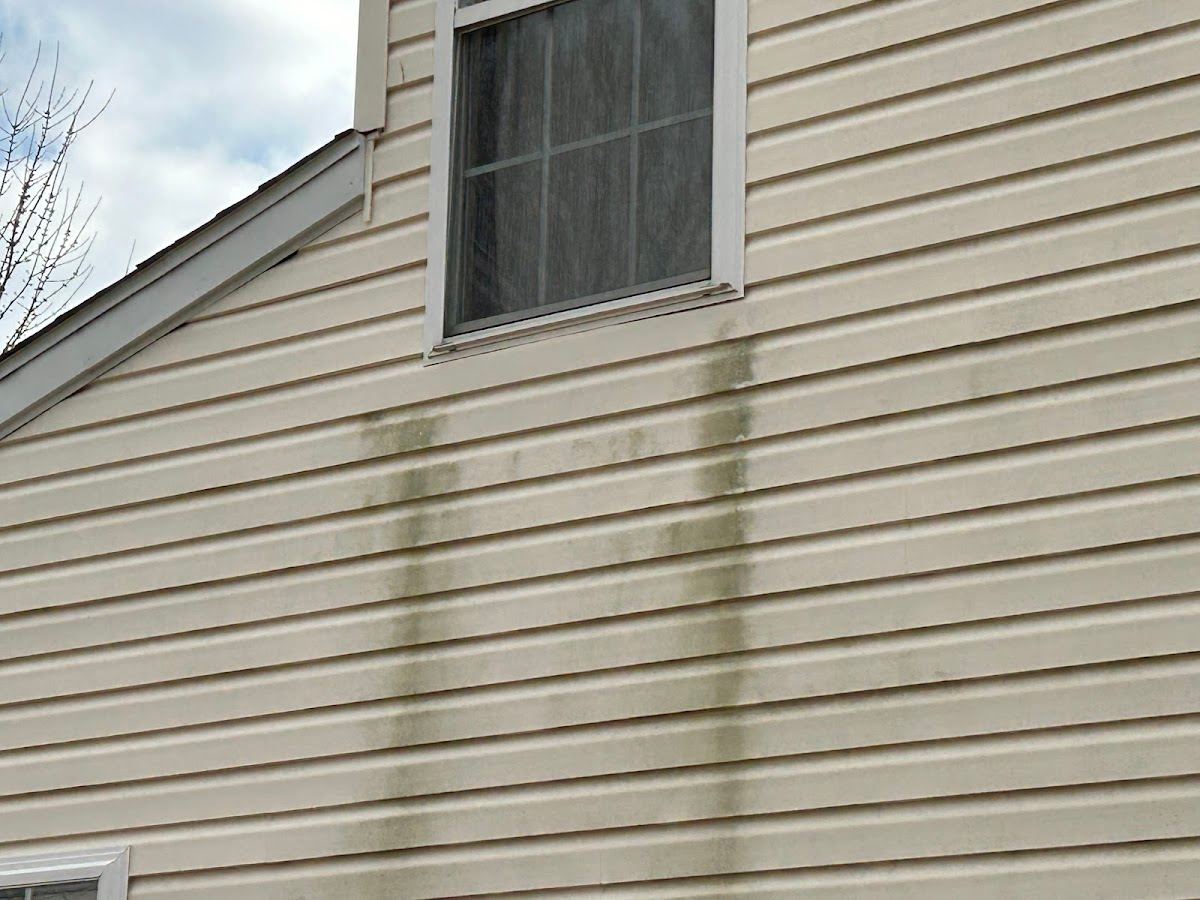
 After
After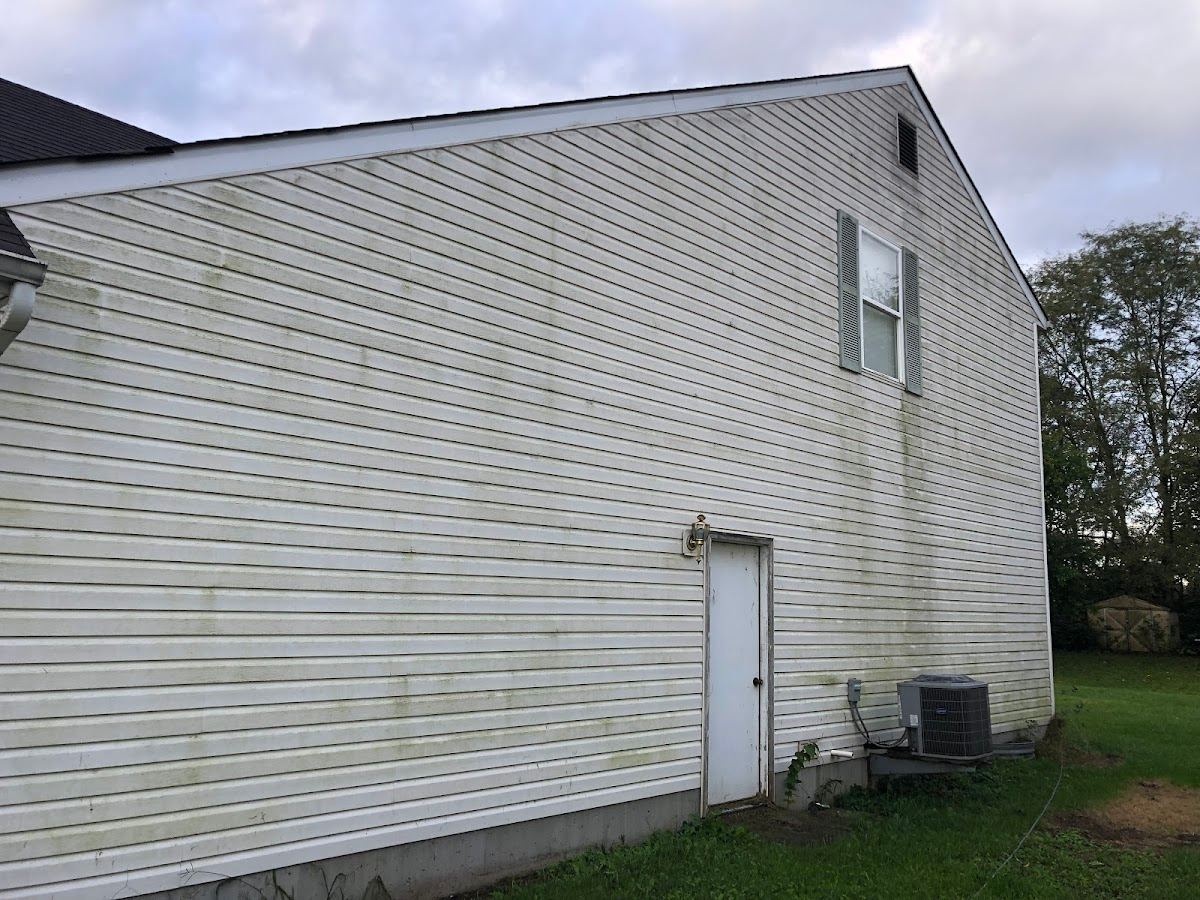 Before
Soft Washing — algae killed at the root
The Problem
High pressure can etch, gouge, or strip siding, shingles, and painted or delicate surfaces.
Our Surface-Safe Approach
We apply biodegradable, surface-safe cleaning solutions at low pressure (well under 500 PSI). The solution dwells, kills mold and algae at the source, then rinses clean — no high-pressure blast.
The Result
Delicate surfaces cleaned safely, with results that last noticeably longer than pressure alone.
Why choose Redhead for soft washing
- Safe for siding, roofs, and painted surfaces
- Kills algae, mold, and mildew at the root
- No high-pressure damage or water intrusion
- Longer-lasting results than pressure washing alone
- Surface-safe solutions that protect landscaping
Soft washing treats the cause, not just the symptom. Because it kills the organic growth at the root, surfaces stay clean far longer than a quick pressure rinse.
Soft Washing in Ohio
Your complete guide to soft washing in Ohio
Why Ohio's Climate Grows Stains That Won't Rinse Off
The gray-green film on your north-facing siding and the black streaks running down your roof are not dirt. They are living colonies. Ohio sits in a humid continental climate, and the I-75 corridor from Dayton to Cincinnati holds moisture the way a sponge does. That combination of warmth, shade, and steady humidity is exactly what algae, mildew, and moss need to take hold.
The black roof streaks come from Gloeocapsa magma, a hardy blue-green cyanobacteria that feeds on the limestone filler in asphalt shingles. Spores travel on the wind, land on a damp surface, and multiply. On siding you are usually looking at green algae and mildew; on brick, concrete, and shaded fences you get moss and a darker organic haze. All of it is biological, and all of it has roots.
That is the part that matters. A pressure washer can blast the surface layer away, but it leaves the organism's root structure behind, so the growth returns within months. Freeze-thaw cycles make it worse. Water works into hairline pores in siding, mortar, and stucco, freezes, expands, and widens those pores every winter, giving the next season's growth an even better grip. Add spring pollen, summer humidity, and the road salt that gets thrown onto lower siding and walkways all winter, and you have a surface that is under constant biological and chemical attack. Soft washing is built to treat that attack at the source, not just rinse the symptom.
How Soft Washing Actually Works, Step by Step
Soft washing is a cleaning method, not a pressure setting. The goal is to let a surface-safe cleaning solution do the work that brute force cannot. Here is what is actually happening when the job is done right.
First comes inspection and prep. We look at what is growing, what surface it is growing on, and what is nearby, then cover or pre-wet landscaping and shrubs so nothing gets stressed. Next, we apply a cleaning solution designed to break down algae, mildew, mold, and bacteria at the cellular level. This is where the real cleaning happens. The solution needs dwell time, usually several minutes, to penetrate the growth and kill it down to the root rather than just lifting the visible top layer.
Then comes the rinse. Instead of a narrow, high-pressure jet, soft washing uses a wide fan of low-pressure water, typically under 500 PSI, closer to the force of a garden hose than a pressure washer. That low pressure carries away the dead organic material without driving water behind siding, under shingles, or into mortar joints. On heavier growth, a second application and rinse finishes the job. Because the organism is dead and not just knocked loose, the surface stays clean far longer. The visible difference is immediate; the real value is that it does not grow right back.
Matching the Method to Each Surface on Your Home
The reason soft washing exists is that most of a home's exterior cannot survive high pressure. A good crew reads the surface first and dials the approach to it.
- Roof shingles: Always soft washed, never pressure washed. High pressure strips the protective granules off asphalt shingles, shortens roof life, and voids most shingle warranties. Low-pressure treatment kills the Gloeocapsa magma and rinses it clear. This is the same low-pressure approach we use for roof washing.
- Vinyl, aluminum, and painted siding: Soft washing cleans the organic film without forcing water behind panels or under laps, which is the fastest way to cause hidden moisture problems. This is the core of our house washing service.
- Stucco, EIFS, and Dryvit: Porous and easily gouged. These need the low-pressure, solution-first method almost exclusively.
- Wood siding, cedar, and fences: High pressure raises the grain and etches soft wood. A surface-safe wash cleans without chewing up the fibers.
- Brick and older mortar: Pressure can blow out aging mortar joints. Soft washing lifts moss and organic staining while leaving the joints intact.
Hard, durable surfaces like concrete driveways and paver patios can take more mechanical force, which is where pressure washing has its place. The skill is knowing where the line is. That is why matching method to material is the single most important decision on any exterior cleaning job.
Signs Your Home Is Overdue for a Soft Wash
Most homeowners wait until the growth is obvious. By then it has usually been feeding for a year or more. Here is what to watch for so you catch it early.
- Black streaks running down the roof, especially on north- and shade-facing slopes. That is Gloeocapsa magma, and it spreads.
- Green or gray patches on siding, typically worst on the shaded side of the house and under eaves where the surface stays damp.
- A chalky or filmy look that a garden hose will not touch. That film is biological, not dust.
- Dark staining on north-facing brick, stucco, or concrete, often with a slightly fuzzy texture. That is early moss and algae.
- Slippery walkways, patios, or steps after rain. Algae makes hard surfaces genuinely dangerous.
- Musty smells near siding or a spike in allergy symptoms around the house, which can trace back to mildew and mold on the exterior.
If you can wipe your finger across the surface and it comes away green or black, the colony is active and growing. The longer it feeds, the more it stains and the more it can degrade the surface underneath. Early treatment is always cheaper and easier than waiting for the growth to embed itself.
How Often to Soft Wash and the Best Time of Year
For most homes along the Dayton-to-Cincinnati corridor, a soft wash every 18 to 24 months keeps siding and roofs ahead of the growth. Shaded lots, homes surrounded by trees, and north-facing walls green up faster and often benefit from a wash every 12 to 18 months. A sunny, open lot with good airflow can sometimes stretch longer.
Timing matters as much as frequency. Spring is the most popular window because it clears off the winter's algae, road salt, and pollen buildup and resets the exterior before the humid growing season. Fall is the other strong choice, cleaning off a summer of growth and getting the surface clean before it sits under snow and ice for months. We work through Ohio winters when weather allows, but the cleaning solution performs best in above-freezing temperatures, so late fall through early spring can require flexible scheduling.
One practical tip: pair your soft wash with gutter cleaning. Clogged gutters overflow and keep the siding and fascia below them constantly wet, which is an open invitation for the exact algae and mildew you just paid to remove. Keeping water moving off the house is half the battle in holding onto a clean result.
What Affects How Long the Results Last
Two identical houses can hold a clean finish for very different lengths of time. A few factors drive that.
- Sun and shade: Shaded, damp walls regrow fastest. Surfaces that get sun and airflow dry out and stay clean longer.
- Tree cover: Overhanging branches drop moisture, pollen, and debris, and they block the drying sun. Trimming them back extends every wash.
- Drainage: Downspouts that dump against the foundation, low spots that hold water, and clogged gutters all keep surfaces wet and speed up regrowth.
- The cleaning method itself: This is the big one. Because soft washing kills the organism at the root, the surface starts clean and stays clean far longer than a surface that was simply pressure-blasted. A pressure job that leaves the roots behind can look good for a few weeks and then come right back.
- Local exposure: Homes near heavy tree lines, farm fields, or busy roads that throw up salt and grime tend to soil faster.
None of these are reasons to skip the wash. They are reasons to have someone who understands them assess your specific property and tell you honestly how often it will actually need attention.
DIY Soft Washing Mistakes That Cause Real Damage
Soft washing looks simple from the driveway, which is exactly why so many DIY attempts go wrong. The most common and costly mistakes:
- Renting a pressure washer and aiming it at the roof or siding. This is the big one. High pressure strips shingle granules, forces water behind siding and under laps, blows out mortar joints, and etches wood. The damage often shows up months later as leaks, rot, or hidden mold.
- Guessing at the cleaning solution mix. Too weak and nothing dies, so the growth returns in weeks. Too strong and you can burn plants, discolor surfaces, or damage finishes. Getting the ratio right for each surface takes experience.
- Skipping plant protection. Cleaning solution that is not properly diluted, pre-wet, and rinsed can stress or kill the shrubs and lawn right below the work area.
- Not respecting dwell time or the weather. Applied in direct hot sun, solution dries before it can work. Applied and rinsed too fast, it never kills the root. Both waste the whole effort.
- Working off a ladder on a wet roof. Every year people are seriously injured doing exactly this. Roofs and ladders coated in algae and cleaning solution are dangerously slick.
The recurring theme is that the risks are hidden. A DIY job can look fine the day it is done and still have driven water where it does not belong or killed the growth only on the surface. By the time the real damage shows up, it costs far more to fix than the wash would have cost to do right.
Why a Licensed and Insured Local Pro Is Worth It
Exterior cleaning is one of those jobs where the difference between good and bad work does not show up until later. Hiring a licensed and insured local pro protects you on both ends. If a ladder slips or a surface is damaged, our insurance covers it, not your homeowner's policy. Just as important, we carry the experience to match the right method and the right cleaning solution to every surface on your home, so the growth is actually killed and the finish is not harmed in the process.
Being local matters too. We know how Ohio's freeze-thaw winters, humid summers, and heavy tree cover drive growth, and we know the neighborhoods from Springboro to Dayton and across the Cincinnati area. As a small, owner-operated company with a 5.0-star rating across 55 Google reviews, our reputation rides on every house we clean. We treat your property as our own, and we put every estimate in writing so you know exactly what you are getting.
Ready to get the algae, streaks, and grime off your home for good? Call or text Redhead Pressure Cleaning at (351) 242-0666 for a free written estimate. We will look at your property, tell you honestly what it needs, and give you a straight price before any work begins.
Real Jobs
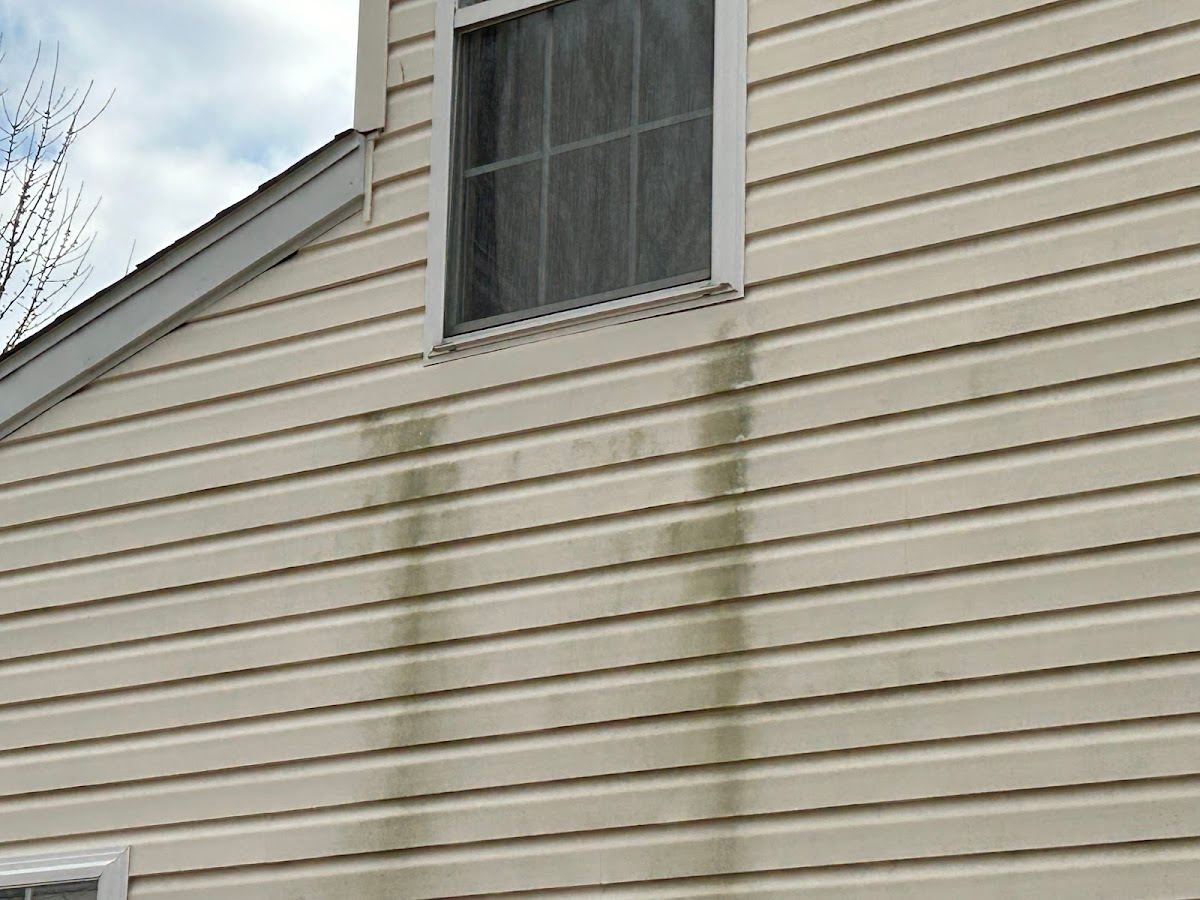
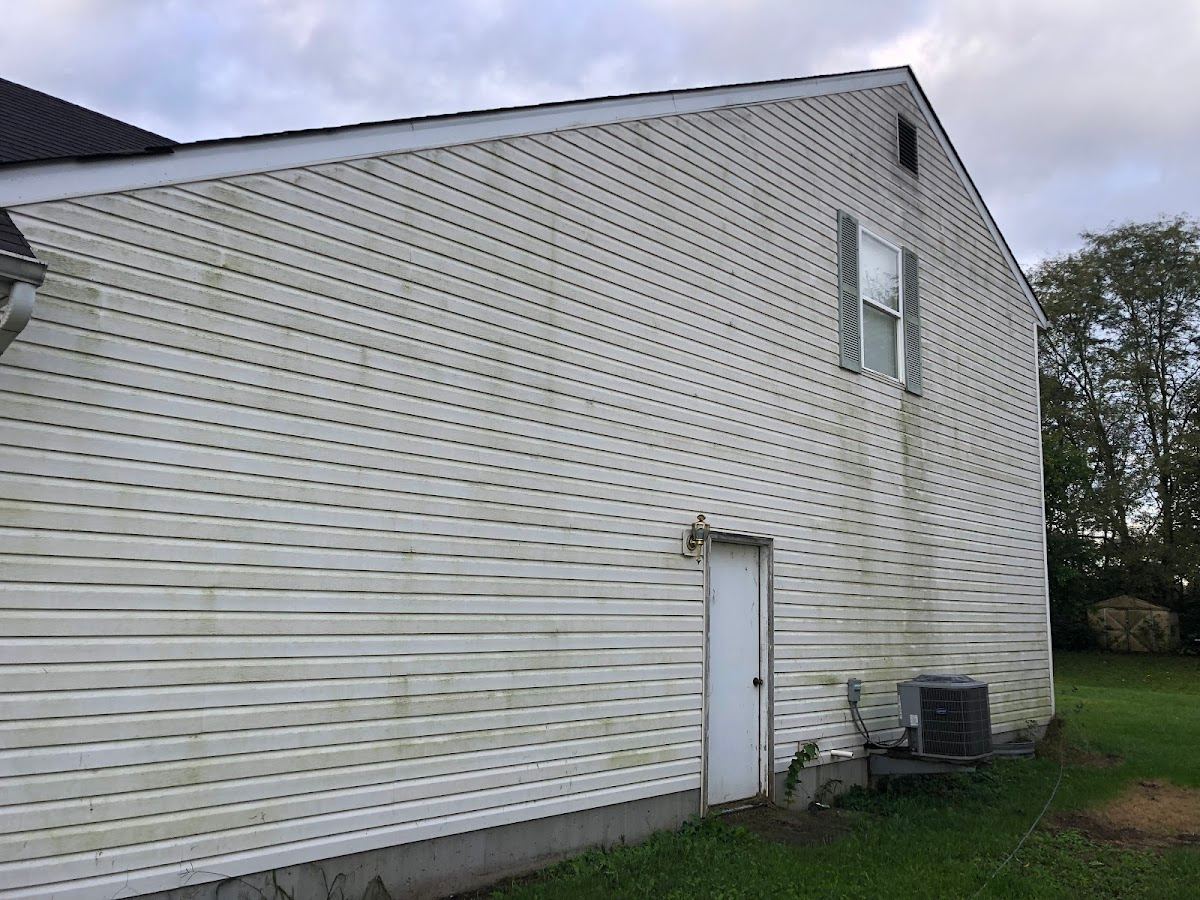
Soft Washing — Recent Work
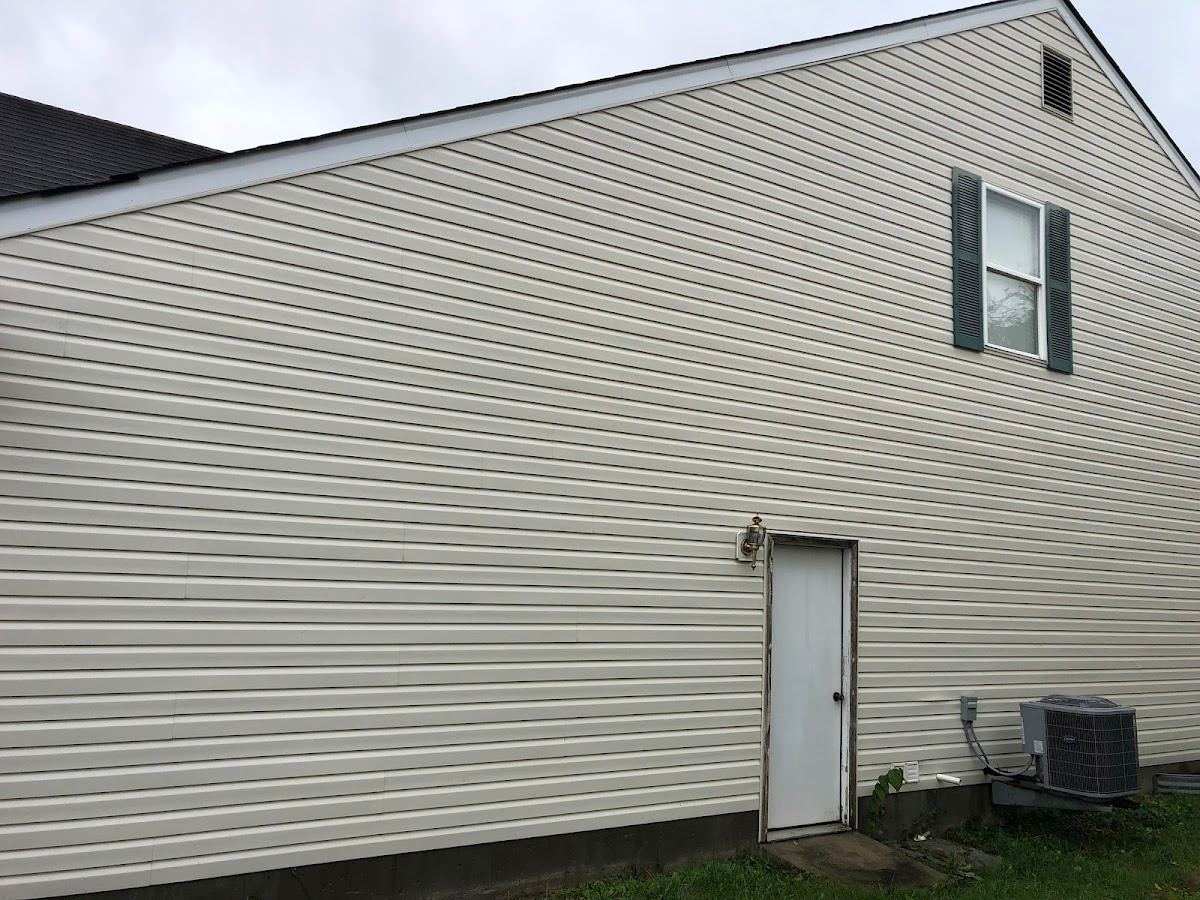
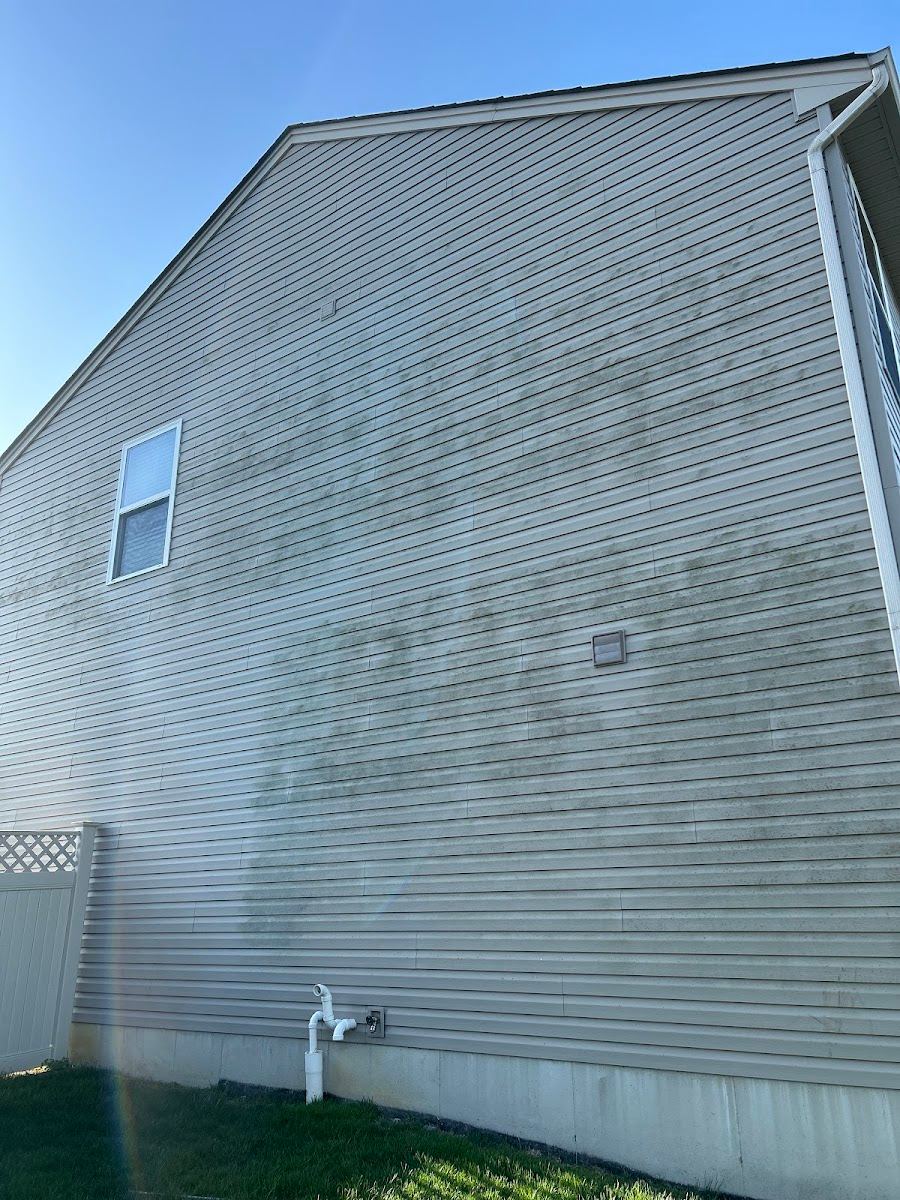
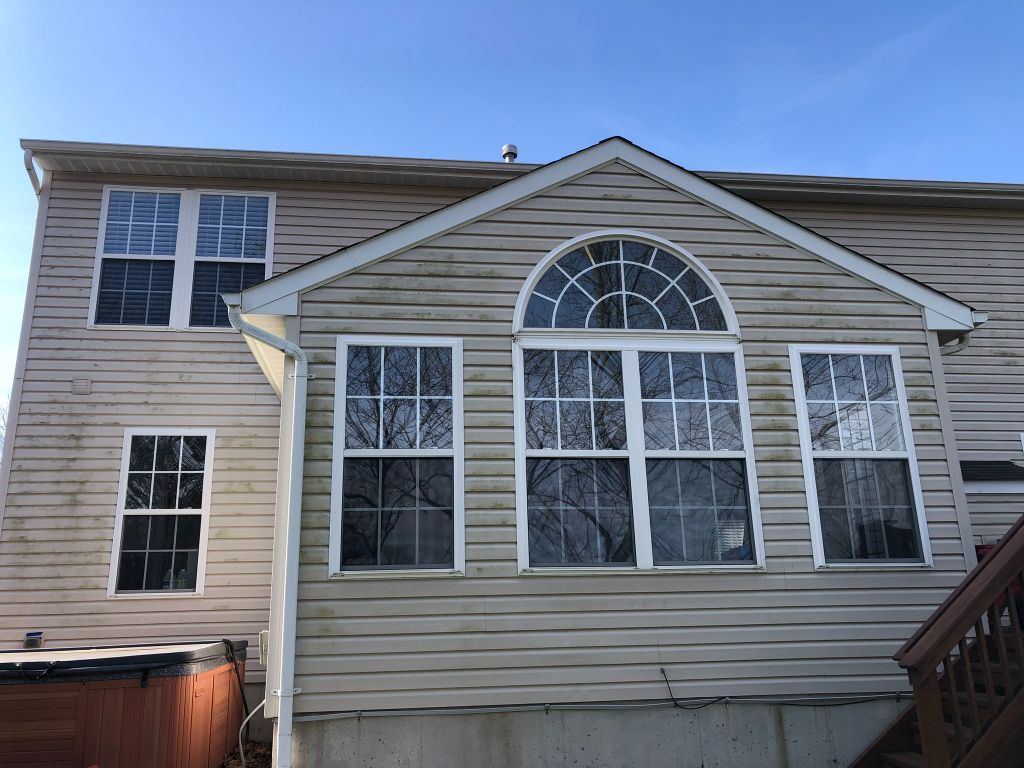
Real photos from Redhead Pressure Cleaning jobs across Ohio.
How It Works
Our Soft Washing Process
- 1
Request a Free Estimate
Call or text us a quick description (a photo helps) and we send back a clear, no-obligation quote.
- 2
We Inspect the Surface
We look at the material, the buildup, and the surroundings to choose the safest, most effective method.
- 3
We Choose the Right Method
High pressure for hard surfaces, low-pressure soft washing for siding, roofs, and delicate materials.
- 4
We Wash Safely & Thoroughly
We protect landscaping, apply surface-safe cleaning solutions, and clean every section with care.
- 5
Final Walkthrough
We walk the finished work with you to make sure you're happy before we pack up.
Related Services
Questions
Soft Washing FAQs
Not when it is done correctly. We pre-wet and cover landscaping before applying any cleaning solution, keep the mix properly diluted for the surface, and rinse the surrounding plants and lawn thoroughly afterward. The risk of plant damage comes from over-concentrated solution and skipped prep, which is exactly what a careful, insured crew is trained to avoid.
Because soft washing kills the organism at the root instead of just blasting off the surface layer, most Ohio homes stay clean for 18 to 24 months. Shaded, tree-covered, or north-facing surfaces regrow faster and may need attention closer to every 12 to 18 months. A surface that was only pressure-washed can look clean for a few weeks and then streak again because the roots were left behind.
Yes, and it is the method shingle manufacturers recommend. Soft washing uses low pressure under 500 PSI, so it kills the Gloeocapsa magma bacteria causing the black streaks without stripping the protective granules. Pressure washing a roof strips those granules, shortens roof life, and voids most shingle warranties, which is why we never pressure wash a roof.
We work year-round when weather allows, but the cleaning solution performs best in above-freezing temperatures. Late fall through early spring often means scheduling around cold snaps. Many homeowners prefer a spring wash to clear off winter road salt, pollen, and algae, or a fall wash to clean the exterior before it sits under snow. We will find a window that works.
Pressure washing uses high-force water and is right for hard, durable surfaces like concrete driveways and paver patios. Soft washing uses low pressure plus a surface-safe cleaning solution and is the correct choice for anything that high pressure would damage: roofs, all types of siding, stucco, wood, and brick. If it is a living surface stain like algae, mildew, or moss on your home itself, you almost always want soft washing.
We can treat the full exterior envelope, including roof, siding, soffits, fascia, fences, and shaded walkways, matching the method to each surface. Many homeowners bundle a soft wash with gutter cleaning so overflowing gutters do not keep the siding wet and undo the work. We will assess everything and recommend what your property actually needs, not more.
North- and shade-facing walls get less direct sun, so they stay damp longer after rain, dew, and Ohio's humidity. That lingering moisture is exactly what algae, mildew, and moss need to grow, so those sides green up first and fastest. It is completely normal and one of the clearest signs your home is due for a soft wash.
Request a Free Estimate
Tell us about your soft washing job — a photo helps us quote fast.
Ready for Professional Soft Washing?
Get a free, no-obligation estimate for soft washing anywhere in Springboro, the I-75 corridor, and across Ohio.