Residential Service
Walkway Cleaning Services in Ohio
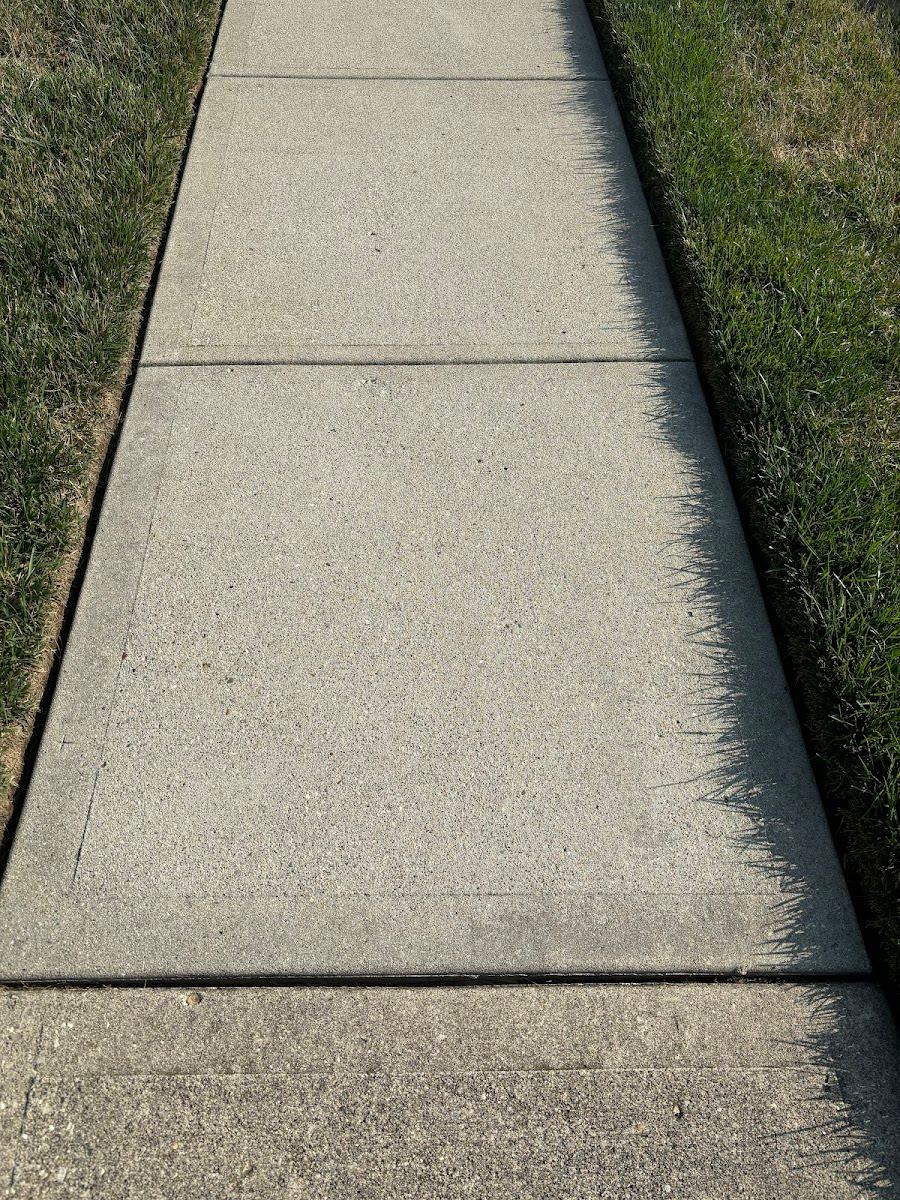
Garden paths and walkways restored to bright, even, and safe.
Walkway Cleaning in Ohio
Garden paths, paver walks, and concrete walkways are some of the first things visitors see and step on. We clean them with the right method for the material so they look sharp and stay safe — no slippery film, no patchy staining, just a clean path to your door.
The Problem
Walkways collect algae, moss, and grime that look dingy and get slippery when damp.
Our Surface-Safe Approach
Surface cleaning for concrete and pavers, with re-sanding and sealing available for paver paths.
The Result
A clean, safe, welcoming walkway that frames your landscaping.
Why choose Redhead for walkway cleaning
- Right method for concrete, paver, or stone
- Removes slippery algae and moss
- Optional paver re-sanding and sealing
- Sharpens the look of your landscaping
- Safer footing for guests and family
Walkway Cleaning in Ohio
Your complete guide to walkway cleaning in Ohio
Why Ohio Walkways Get Dirty Faster Than You Think
A walkway takes more punishment than almost any other surface on your property. It sits low to the ground, holds moisture, and gets walked on every single day. In our climate, that combination works against it year-round.
The green and black film you see is not just dirt. It is living organic growth. The green is algae. The stubborn black streaks are a hardy blue-green organism called Gloeocapsa magma, and it feeds on moisture, shade, and airborne pollutants. Ohio's humid summers give it exactly what it needs. Add the moss that creeps into joints and low spots, and a walkway can go from clean to slick in a single damp season.
Then comes the freeze-thaw cycle. Water soaks into the pores of concrete and the sand joints of pavers. When temperatures drop overnight and climb back up by afternoon, that trapped water freezes, expands, and thaws over and over. Each cycle pries at the surface. Left dirty, a walkway holds more moisture, which means the freeze-thaw damage accelerates and small cracks widen.
Spring brings a heavy dusting of tree and grass pollen that settles into the texture and feeds more growth. Winter brings road salt and de-icer, which get tracked onto the surface and leave chalky white residue while chewing at the concrete. By the time most homeowners notice, several problems are stacked on top of each other. This is why a walkway that looks fine in July can look neglected by the next spring.
How Our Walkway Cleaning Process Actually Works
The result you want is a walkway that is clean, safe to walk on, and free of the organic growth that keeps coming back. Blasting it with a pressure wand does not get you there. It strips the surface, drives water into the pores, and leaves the roots of the algae behind so it returns within weeks.
We use a soft-wash approach built around a surface-safe cleaning solution. We start by inspecting the walkway and noting the material, the type of staining, and any cracks or trip hazards. We protect nearby plantings, mulch beds, and grass by pre-wetting and rinsing as we go. Then we apply the cleaning solution and let it dwell so it can break down algae, moss, and the black Gloeocapsa magma at the root rather than just knocking the color off the top.
For flat concrete we finish with a surface cleaner, a spinning attachment that rides just above the surface and delivers even, controlled water across the whole slab. This is what leaves a uniform finish with no zebra-stripe wand marks and no gouged texture. Pavers, brick, and natural stone get a gentler, lower-pressure rinse matched to the material so joint sand and softer stone stay intact. We finish by flushing the surrounding soil and rinsing off any residue.
Because the solution kills the growth instead of masking it, the walkway stays cleaner far longer than a quick blast-and-go pressure wash. The same careful method carries over to related flatwork like sidewalk cleaning and concrete cleaning across the rest of your property.
Matching the Method to Your Walkway Surface
Not all walkways are built the same, and the biggest mistake in this trade is treating them like they are. The material dictates the pressure, the cleaning solution, and the technique. Getting that match right is the difference between a clean walkway and a damaged one.
- Poured concrete: Durable but porous. It holds algae, tire marks, rust, and efflorescence, that chalky white mineral bloom that rises through the slab. It cleans up beautifully with a surface cleaner and the right solution, but too much raw pressure etches the surface permanently.
- Brick and clay pavers: The pavers themselves are tough, but the sand-filled joints between them are not. High pressure blasts that sand out, which loosens the whole walkway and invites weeds and ants. These need lower pressure and a careful rinse. See our dedicated paver cleaning service for detail on how we protect and reset joints.
- Natural stone (flagstone, bluestone, slate): Softer and more variable than concrete. It calls for the gentlest treatment, leaning heavily on the cleaning solution and minimal mechanical pressure so the stone's face and any natural cleft stay intact.
- Stamped or coated concrete: That decorative sealer or color coat is easy to strip with aggressive washing. We dial pressure way back and let the solution do the work to preserve the finish.
- Aggregate and exposed pebble: The exposed stones sit in a bed that erodes under heavy pressure. Controlled, even cleaning keeps the aggregate locked in place.
When we quote a job, we look at what you actually have and set the approach to it. A one-size-fits-all pressure setting is how walkways get ruined.
Signs Your Walkway Is Overdue for a Cleaning
Most walkways decline slowly enough that you stop seeing it. Here is what to actually look for, and why each sign matters beyond appearance.
- It feels slippery when wet. This is the one that matters most. Algae and moss create a slick film that turns a walkway into a fall hazard, especially for kids and older visitors. If you catch yourself stepping carefully in the rain, it is past due.
- Green or black patches, especially in shade. The north side of the house, spots under trees, and areas hit by sprinkler over-spray grow the fastest because they stay damp.
- Dark streaks running with the water flow. Those are Gloeocapsa magma and organic runoff, and they spread if left alone.
- Moss or weeds in the joints and edges. Growth in the seams means moisture is sitting there, which feeds the freeze-thaw damage underneath.
- A chalky white haze on concrete. That is efflorescence or dried salt residue, common after an Ohio winter of de-icer.
- The walkway looks a shade darker than you remember. A uniform dulling is a thin layer of grime and biofilm building up gradually.
None of these fix themselves. Left alone, a mild film becomes a rooted colony that is harder to remove and more damaging to the surface.
How Often to Clean, and the Best Time of Year
For most homes in our area, a professional walkway cleaning once a year keeps the surface clean, safe, and protected. That yearly reset stays ahead of the algae and clears the winter's salt residue before it does lasting harm.
Some walkways need it twice a year. If yours sits under a tree canopy, on the shaded side of the house, or in the path of a sprinkler, it stays damp and grows organic film faster. Those spots benefit from a cleaning roughly every six to nine months. Walkways in full sun with good drainage can often stretch closer to a single annual visit.
On timing, spring and early fall are ideal. A spring cleaning strips off the winter salt and de-icer and clears the film that built up over the wet, cold months, so your walkway looks its best heading into the season you actually use it. A fall cleaning removes leaf tannin stains and the summer's algae growth before winter sets in, which means less trapped moisture going into the freeze-thaw cycle. Cleaning on a mild, dry day lets the surface and the cleaning solution work as intended. We are happy to look at your specific walkway and recommend a realistic schedule rather than a generic one.
What Makes the Results Last (or Fail Early)
Two identical-looking walkways cleaned on the same day can look very different a year later. The difference comes down to a few factors, some in your control and some in ours.
The method used. A soft-wash that kills growth at the root lasts far longer than a pressure blast that only removes the surface color. When the roots survive, regrowth starts almost immediately.
Sun and drainage. A walkway that dries out quickly resists regrowth. One that stays shaded and damp will need more frequent attention no matter how well it was cleaned. Trimming back overhanging branches to let in light and air makes a real difference.
Water sources. Sprinklers hitting the walkway, downspouts draining across it, or low spots that pond after rain all keep it wet and feed algae. Redirecting that water extends the clean.
Sealing. On concrete and pavers, a quality sealer applied after cleaning helps repel moisture, resist salt and stains, and slow organic growth, which stretches the time between cleanings.
Everyday debris. Leaves left to sit stain the surface and hold moisture. A quick sweep now and then genuinely helps the cleaning last.
We factor these into our recommendation so you know what to expect and how to keep your walkway looking clean between visits.
Why DIY Pressure Washing Often Does More Harm Than Good
A rented pressure washer feels like the cheap answer, and for a walkway it often turns into an expensive lesson. The problems we get called to fix follow a predictable pattern.
- Etched and gouged concrete. Too much pressure held too close permanently scars the surface with wand lines and a rough, pitted texture that then holds even more dirt. This damage does not buff out.
- Blown-out joint sand. On pavers and brick, a narrow high-pressure stream strips the sand from the joints in seconds. The walkway loosens, shifts, and sprouts weeds. Refilling and re-stabilizing those joints costs far more than the original cleaning.
- Stripped sealer and color. Stamped, colored, or sealed concrete loses its finish under aggressive washing, leaving blotchy, uneven patches.
- Algae that comes right back. Water pressure alone removes the color but not the organism. Without the right cleaning solution and dwell time, the growth returns within weeks and the whole effort was for nothing.
- Dead landscaping. Cleaning solution and runoff handled carelessly can kill the grass and plants along the walkway edge.
- Injury. A pressure washer at close range can cut skin and throw debris. Slippery walkways and awkward angles add real risk.
Doing it right takes the correct pressure for each material, the right solution, proper dwell time, plant protection, and the equipment to deliver water evenly. That knowledge is exactly what you are paying a professional for.
Get a Free Walkway Cleaning Estimate
A clean walkway is safer underfoot, adds real curb appeal, and protects one of the surfaces that takes the most wear on your property. As a local, owner-operated company that is licensed and insured, we treat your property as our own, match the method to your specific surface, and stand behind clean, careful work. We serve homeowners throughout the I-75 corridor, including Springboro, Dayton, and the surrounding communities across Ohio.
Ready to see the difference? We provide free written estimates with no pressure. Call or text us at (351) 242-0666 and we will take a look at your walkway, recommend the right approach, and give you a straight answer.
Real Jobs
Walkway Cleaning — Recent Work
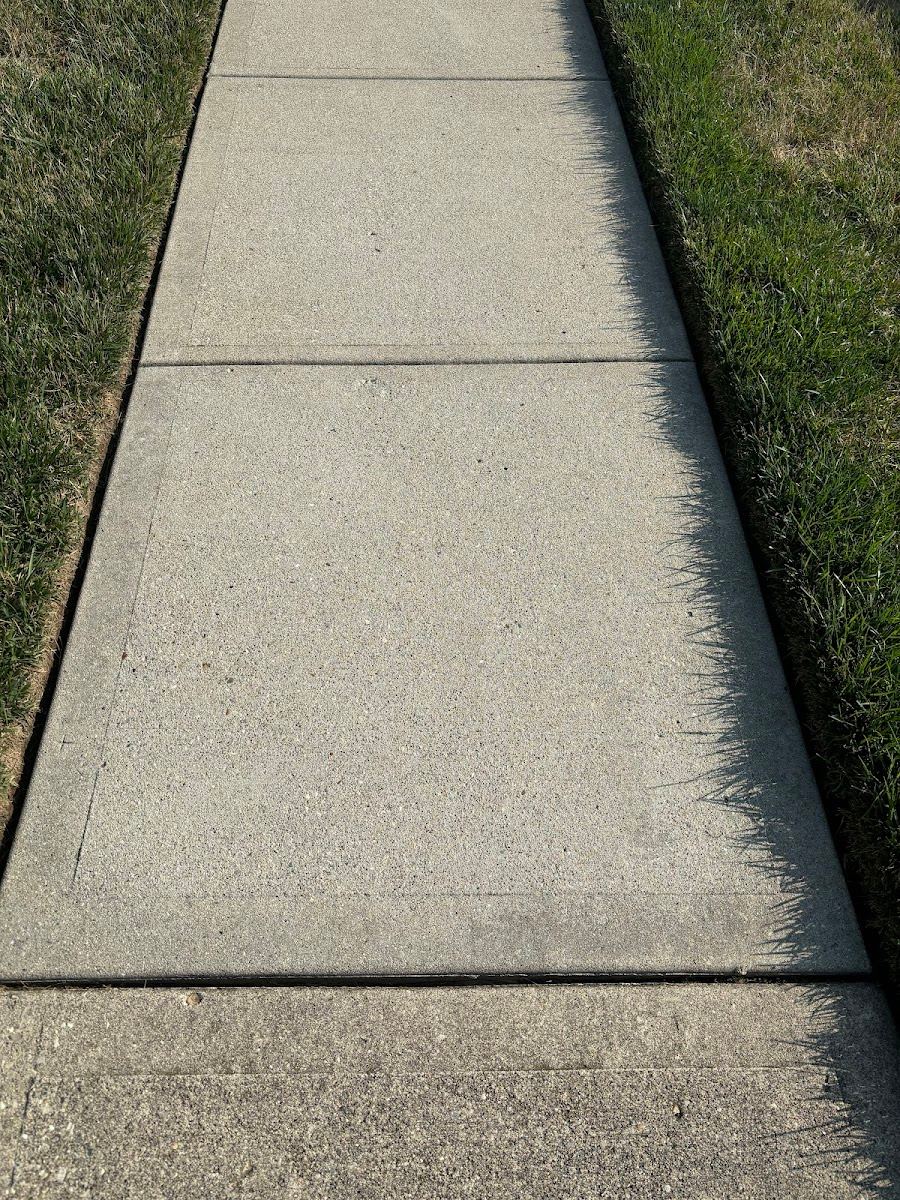
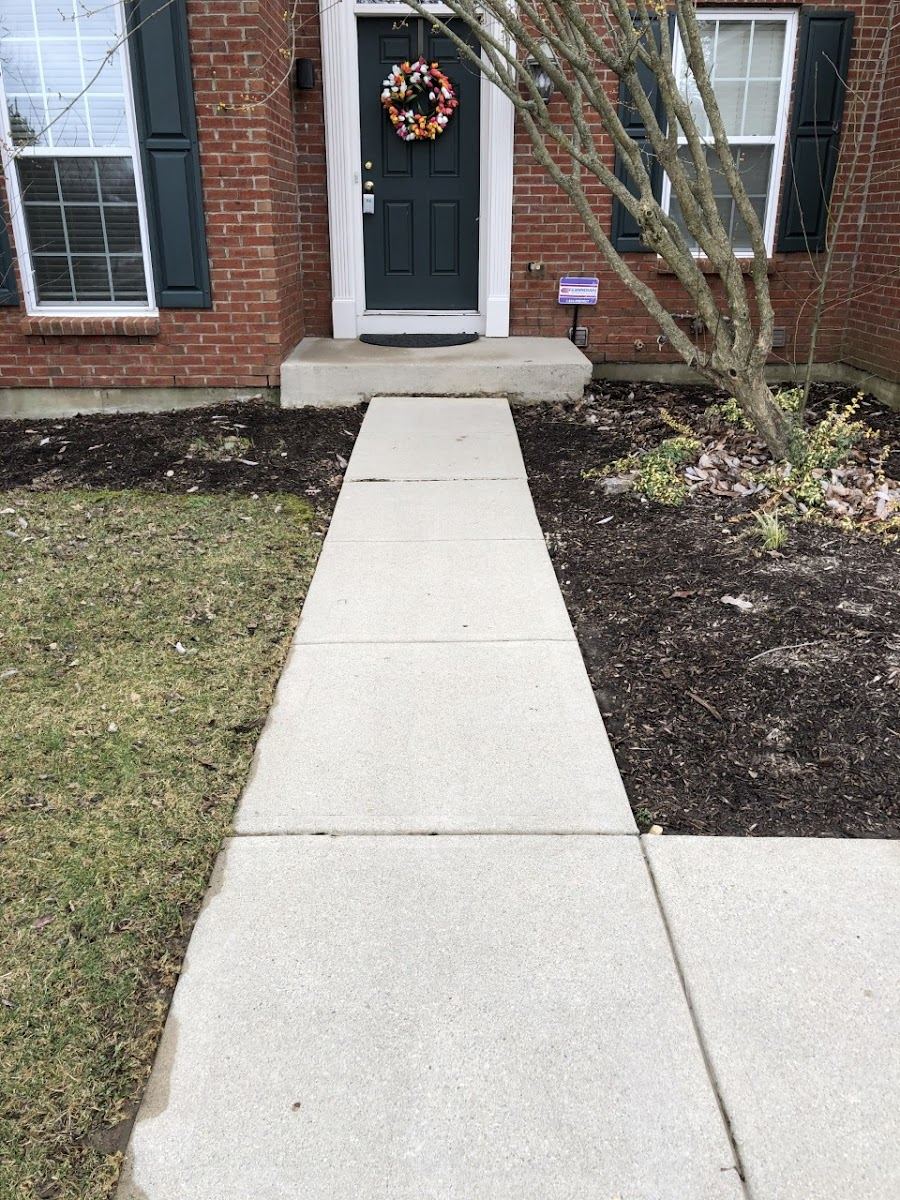
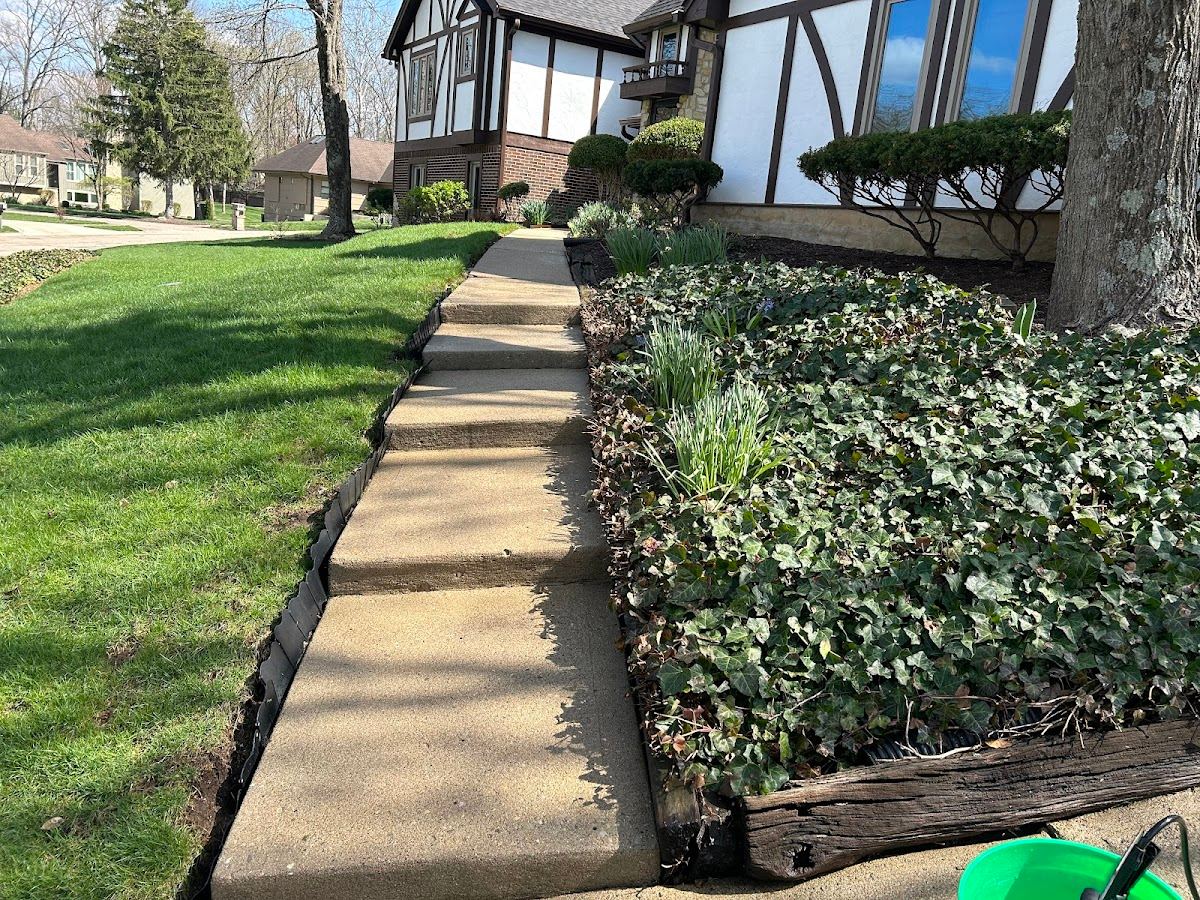
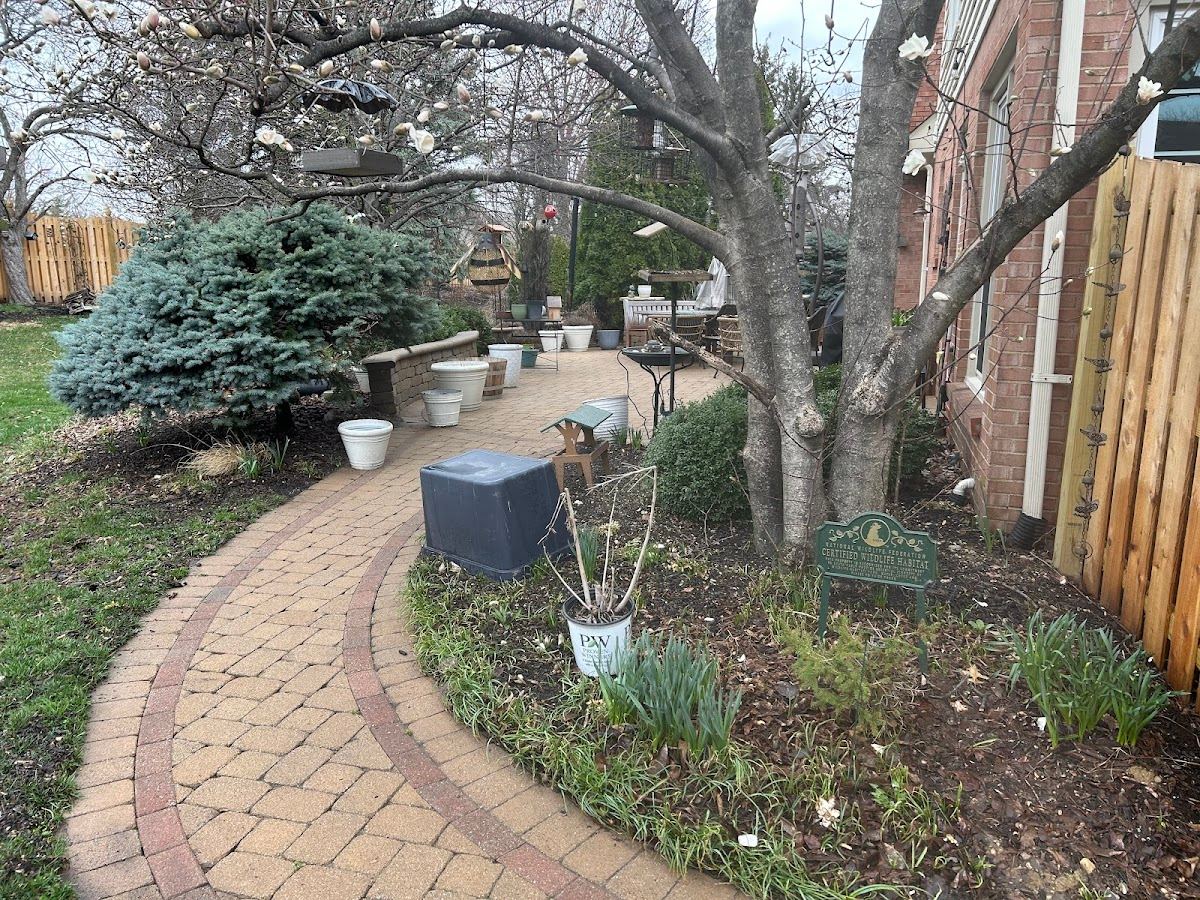
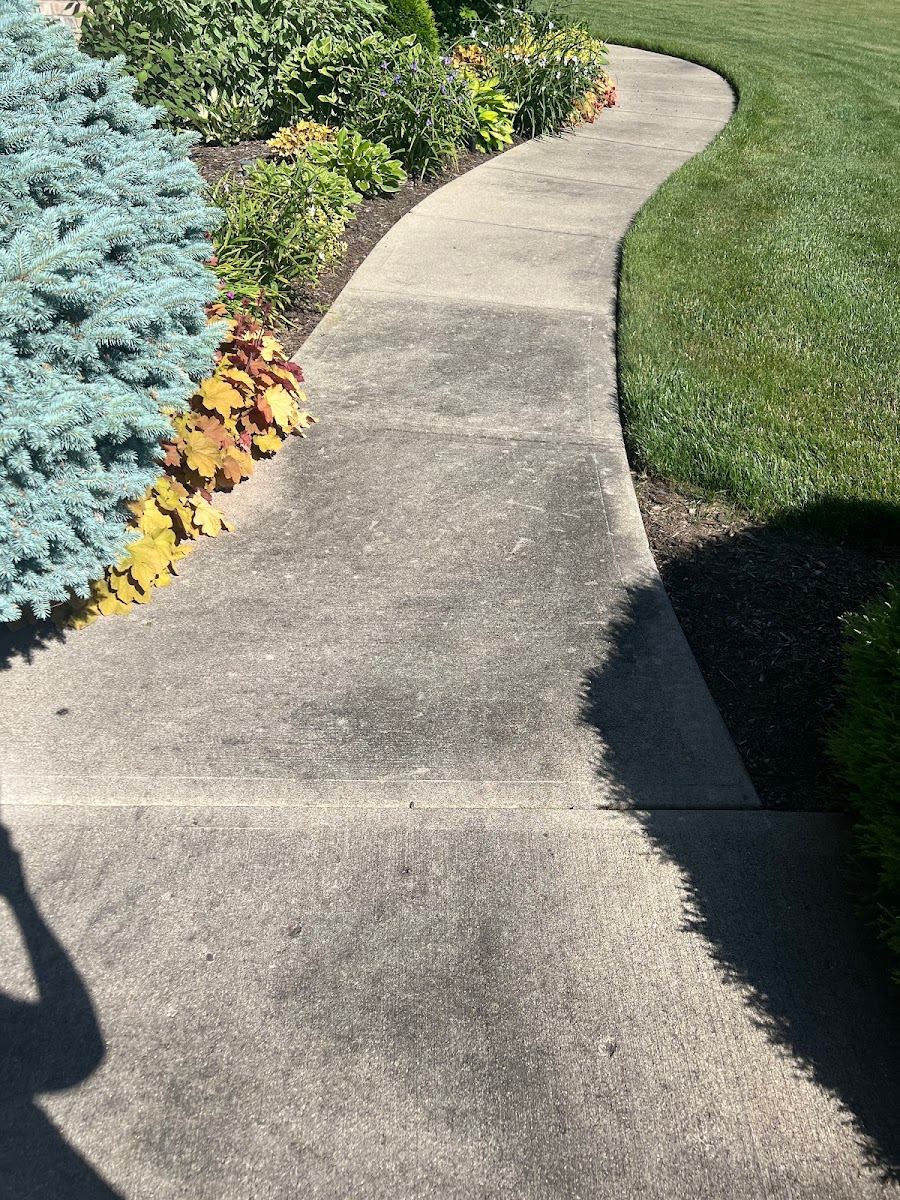
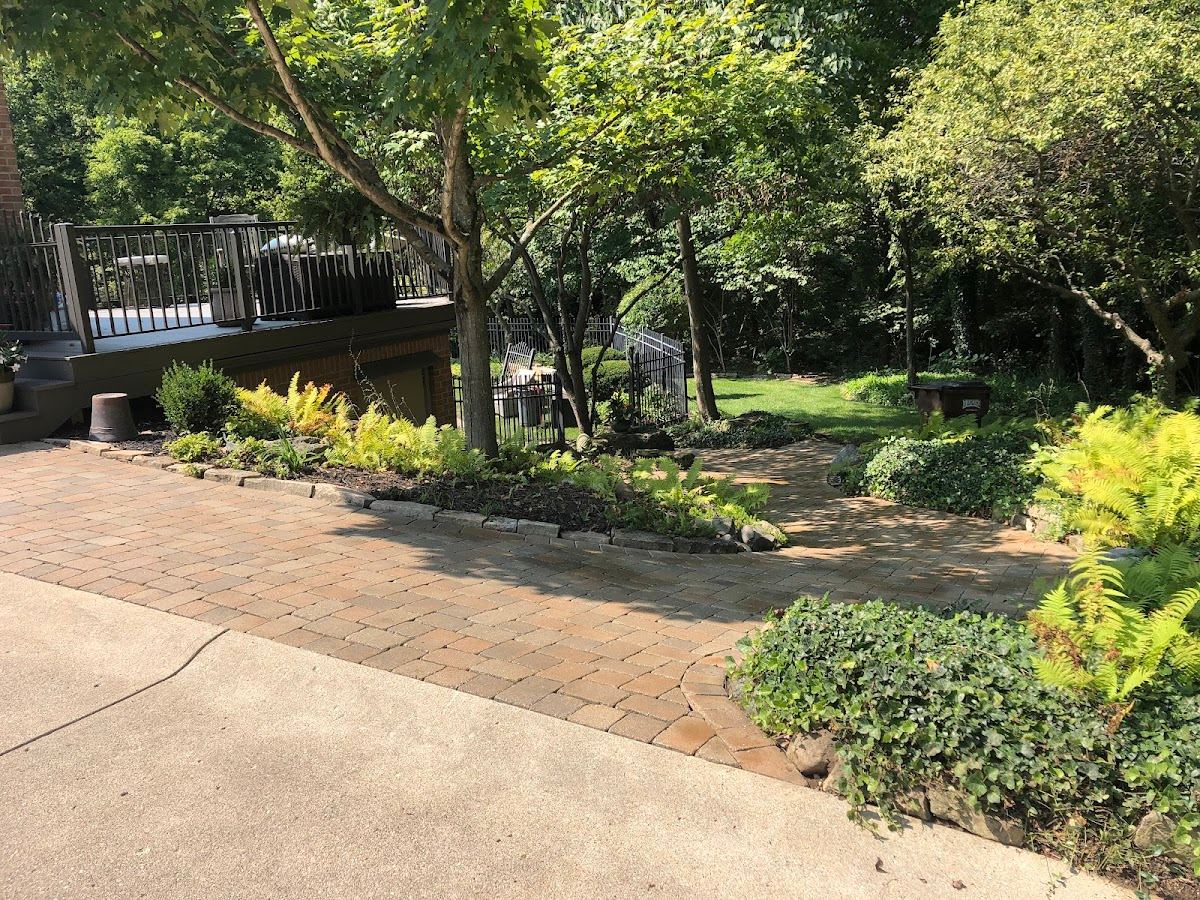
Real photos from Redhead Pressure Cleaning jobs across Ohio.
How It Works
Our Walkway Cleaning Process
- 1
Request a Free Estimate
Call or text us a quick description (a photo helps) and we send back a clear, no-obligation quote.
- 2
We Inspect the Surface
We look at the material, the buildup, and the surroundings to choose the safest, most effective method.
- 3
We Choose the Right Method
High pressure for hard surfaces, low-pressure soft washing for siding, roofs, and delicate materials.
- 4
We Wash Safely & Thoroughly
We protect landscaping, apply surface-safe cleaning solutions, and clean every section with care.
- 5
Final Walkthrough
We walk the finished work with you to make sure you're happy before we pack up.
Related Services
Questions
Walkway Cleaning FAQs
It can if it is done wrong. Excess pressure etches concrete and blasts the sand out of paver joints, which loosens the whole walkway. We use a surface-safe soft-wash approach and match the pressure to your specific material, so the walkway comes clean without surface damage or lost joint sand.
Because water pressure alone only removes the color, not the organism. Algae and Gloeocapsa magma have to be treated with a cleaning solution that is allowed to dwell and kill the growth at the root. Without that step, the roots survive and the green and black film returns within weeks.
Most residential walkways are done in a few hours, depending on the length, the material, and how heavy the staining is. Heavier algae, moss, or efflorescence needs more dwell time for the solution to work. We give you a realistic time frame when we provide your free estimate.
Yes. The chalky white haze on concrete is either de-icer residue tracked in over winter or efflorescence, a mineral bloom rising through the slab. Both respond to the right cleaning solution and technique. Removing salt residue also helps protect the concrete from further freeze-thaw damage.
Sealing is optional but worthwhile on concrete and pavers. A quality sealer applied after cleaning repels moisture, resists salt and stains, and slows organic regrowth, which stretches the time between cleanings. We can talk through whether it makes sense for your surface.
Yes, when it is handled correctly. We pre-wet nearby plantings, control where the cleaning solution and runoff go, and rinse the surrounding soil afterward. Careless DIY washing is where landscaping usually gets damaged, which is one more reason to have it done right.
We do. Walkways rarely sit alone, and cleaning the connected concrete, driveway, and patio at the same time gives you a uniform result with no clean-versus-dirty line where surfaces meet. Just mention it when you call and we will include it in your estimate.
Request a Free Estimate
Tell us about your walkway cleaning job — a photo helps us quote fast.
Ready for Professional Walkway Cleaning?
Get a free, no-obligation estimate for walkway cleaning anywhere in Springboro, the I-75 corridor, and across Ohio.