Residential Service
Pressure Washing Services in Ohio
The right pressure for every surface — driveways, concrete, brick, and more.
Pressure Washing in Ohio
Pressure washing is the fastest way to take years of Ohio grime off your hard exterior surfaces. But pressure is a tool, not a setting you crank to the max. At Redhead Pressure Cleaning, we match the method to the material — high-pressure surface cleaning for concrete and brick, gentle soft washing for siding and roofs — so your property comes out clean without coming out damaged.
The Problem
Ohio's freeze-thaw winters, humid summers, pollen, and road grime dull and degrade hard exterior surfaces and leave behind algae, mildew, and dark organic stains.
Our Surface-Safe Approach
We assess each surface first, then use the right combination of pressure and surface-safe cleaning solutions — surface cleaners for an even finish on concrete, lower pressure for softer materials.
The Result
A uniformly clean, brighter property that is safer underfoot and lasts longer.
Why choose Redhead for pressure washing
- One company for every exterior surface
- Surface-safe methods that protect your property
- Removes algae, mildew, dirt, and oxidation
- Brighter curb appeal and safer walking surfaces
- Licensed and insured, local Ohio crew
Ask any contractor what PSI they will use on your siding. If the answer is "as high as it takes," keep looking — a real pro matches pressure to the surface.
Pressure Washing in Ohio
Your complete guide to pressure washing in Ohio
Why Ohio Weather Is So Hard on Exterior Surfaces
Southwest Ohio puts exterior surfaces through a lot. The problem is not just dirt. It is a full year of conditions working against your siding, concrete, and hardscapes, and each season leaves its own residue.
The freeze-thaw cycle is the big one. Water finds its way into the tiny pores of concrete, brick, and mortar. When the temperature drops, that water freezes and expands by roughly nine percent. When it thaws, it contracts. Repeat that dozens of times a winter along the I-75 corridor and the surface starts to break down from the inside. On concrete this shows up as spalling, flaking, and pop-outs. Trapped grime and organic growth hold moisture right at the surface, which makes the damage worse.
Then there is the biology. Ohio summers are humid, and that humidity feeds algae, mildew, and moss. The black streaks you see on north-facing siding and roofs are usually Gloeocapsa magma, a hardy blue-green algae that eats the limestone filler in shingles and clings to shaded, damp walls. It does not rinse off with a garden hose because the growth is rooted into the surface, not just sitting on top of it.
Spring adds a heavy pollen load that coats everything in yellow-green film and feeds more growth. Winter road salt from the highways gets tracked onto driveways and splashed onto lower siding, and salt is corrosive and hygroscopic, meaning it pulls in moisture and accelerates both freeze-thaw damage and rust. Add tree shade that keeps surfaces from drying, and you have a climate practically designed to grow grime.
Pressure Washing vs. Soft Washing: Matching the Method to the Surface
Pressure washing is not one setting. The single biggest reason surfaces get damaged is using high pressure where low pressure and the right cleaning solution should do the work. A good exterior cleaning plan matches the method to each material.
High-pressure washing uses concentrated water flow to break loose stubborn buildup on hard, durable surfaces. It is the right tool for concrete, pavers, brick, and stone where the material can take the force and the goal is to lift embedded dirt, tire marks, and organic staining. This is the approach behind our concrete cleaning and driveway cleaning work.
Soft washing is the surface-safe method for anything delicate. It uses low pressure, closer to a strong garden hose, paired with a cleaning solution that does the actual work. The solution dwells on the surface, kills algae and mildew at the root, and then gets rinsed clean. Because it treats the growth instead of blasting it, results last longer and the surface never takes a beating. This is what we use for house washing on vinyl, wood, stucco, and painted surfaces, and it is the core of our dedicated soft washing service for siding and other sensitive materials.
The skill is knowing where the line falls. Vinyl siding, wood, screens, window seals, roof shingles, and older mortar all call for a soft-wash approach. Concrete, sealed pavers, and masonry can handle real pressure. On a typical house we switch methods several times in one visit, dialing pressure, nozzle, and solution to each surface as we go.
What a Professional Pressure Washing Visit Actually Involves
Cleaning that lasts is about the process, not just the equipment. A rushed pass with a wand leaves streaks, missed growth, and sometimes damage. Here is what careful work looks like beyond the basic steps.
- Surface inspection first. We look at what each surface is made of, how it has weathered, where the growth is, and what is around it, before any water touches the house. That inspection decides pressure, nozzle, and cleaning solution for every area.
- Protecting the surroundings. Plants, landscaping, light fixtures, and outdoor outlets get considered and protected. Cleaning solution is applied and rinsed in a way that keeps beds and greenery safe.
- Dwell time. On organic staining, the cleaning solution needs time to work. Blasting it off too soon just spreads the problem. Letting it dwell means the algae and mildew die at the root, so it stays gone longer.
- Even, overlapping passes. Consistent distance and overlap prevent the striping and wand marks that show up when someone works too fast or too close.
- Full rinse and cleanup. Residue left on a surface attracts dirt and can leave a film. A proper final rinse and site cleanup are part of the job, not an afterthought.
Because we are licensed and insured and local to Springboro, we treat your property as our own. That means the small stuff, like re-checking a shaded corner or a downspout stain, gets done right.
Signs Your Home Is Overdue for a Cleaning
Exterior buildup creeps in slowly, so it is easy to stop noticing. A few clear signals mean it is time to book a cleaning before the grime does real damage.
- Black or gray streaks on siding and roof. These are algae colonies, not dirt, and they spread and darken over time.
- Green film on north- and shade-facing walls. Green usually means algae or the start of moss, both of which hold moisture against the surface.
- Dark, slick patches on concrete. A driveway, walkway, or patio that looks dingy or feels slippery when wet is growing algae in the pores, which is both a stain and a slip hazard.
- White chalky residue on lower siding and garage aprons. Often salt and mineral deposits tracked up from winter roads.
- A yellow-green haze after spring. Pollen buildup that dulls everything and feeds later growth.
- Fuzzy growth in mortar joints or between pavers. Moss and weeds that trap water and work joints loose.
If any of these look familiar, it is worth a free written estimate. Catching growth early is cheaper and easier than removing years of buildup, and it keeps the surface from being damaged underneath.
How Often to Clean and the Best Time of Year in Ohio
For most homes in the Dayton-to-Cincinnati area, a full exterior cleaning once a year keeps growth from ever getting a foothold. Some properties need it more often, and a few can stretch it, depending on the conditions around the house.
Plan on more frequent cleaning if your home is heavily shaded by mature trees, sits near woods or a pond, faces north, or has a lot of surface that stays damp. Those homes can grow visible algae within a single season. Sun-exposed, well-drained properties in the open hold up longer between visits.
Timing matters as much as frequency. Late spring through early fall is the sweet spot. Spring cleaning clears off the winter's salt and the pollen load and knocks back algae before the humid months let it explode. A fall cleaning heading into winter removes the organic growth that would otherwise hold moisture in the surface through every freeze-thaw cycle, which is exactly how spalling and cracking get started.
The one time to be careful is a hard freeze. Washing surfaces when temperatures are at or below freezing leaves water in the pores that freezes on the spot, and it turns runoff into ice on walkways and drives. We schedule around Ohio's cold snaps so the work helps your surfaces instead of stressing them. A quick call or text lets us recommend a cadence that fits your specific property.
What Makes the Results Last (and What Cuts Them Short)
Two homes cleaned the same day can look very different six months later. The difference usually comes down to method, follow-through, and a few conditions around the property.
Killing growth at the root is the biggest factor. When algae and mildew are treated with the right cleaning solution rather than just blasted with water, they are actually dead, not knocked back, so they take far longer to return. A high-pressure-only cleaning of siding can look fine for a week and then streak again because the roots were never touched.
Surface conditions play a role too. Constant shade, poor drainage, gutters that overflow, sprinklers that hit the siding, and overhanging trees all keep surfaces wet and shorten the clean look. Fixing a downspout or trimming a branch can add months of life to a cleaning.
On concrete, sealing extends results considerably. A quality sealer fills the pores so water, oil, and salt cannot soak in, which slows staining and, more importantly, reduces the freeze-thaw damage that breaks concrete apart in Ohio winters. Sealing is worth discussing for driveways and patios that take heavy use or a lot of road-salt exposure. We are happy to walk through what makes sense for your surfaces during a free estimate.
Common DIY Mistakes That Damage Your Home
Rental and consumer pressure washers put real power in your hands, and that is exactly the problem. Most exterior damage we are called to fix started as a well-meaning DIY project. Here are the mistakes that cause it.
- Too much pressure on the wrong surface. High PSI carves lines into wood, cracks vinyl siding, strips paint and stain, and can etch permanent tracks into concrete. Once the material is gouged, it does not come back.
- Spraying up under siding. Aiming the wand upward forces water behind the siding and into the wall, where it feeds mold and rot inside the wall cavity long before you would ever see it.
- Blasting windows, seals, and vents. Direct high pressure breaks window seals, drives water into the house, and damages screens and light fixtures.
- Washing roof shingles with pressure. High pressure tears the protective granules off shingles and voids many roof warranties. Roofs are a soft-wash-only surface.
- Skipping the cleaning solution. Water alone does not kill algae. It smears the surface and the growth returns within weeks, so people crank the pressure to compensate and cause damage.
- Washing in freezing weather. Water left in concrete pores freezes and expands, and runoff turns walkways into ice. This is one of the fastest ways to spall a driveway.
None of these are obvious until the damage is done, which is why matching pressure and solution to each surface is the whole game.
Ready for a Cleaner, Better-Protected Home? Get a Free Estimate
Hiring a licensed and insured local pro is not just about a better result, though the results are better. It is about protecting your biggest investment. The wrong pressure on the wrong surface causes damage that costs far more to repair than a professional cleaning ever would, and proper insurance means the risk is not on you. As an owner-operated company based in Springboro and serving the I-75 corridor, we know exactly what Ohio's climate does to homes and how to clean each surface without harming it. We proudly serve homeowners in Springboro, Dayton, and communities across the region.
If your siding is streaked, your concrete is dingy, or you just want to head off the next season of growth, we would be glad to take a look. Every estimate is free and in writing, with no pressure. Call or text us at (351) 242-0666 to set up a time, and we will treat your property as our own.
Real Jobs
Pressure Washing — Recent Work
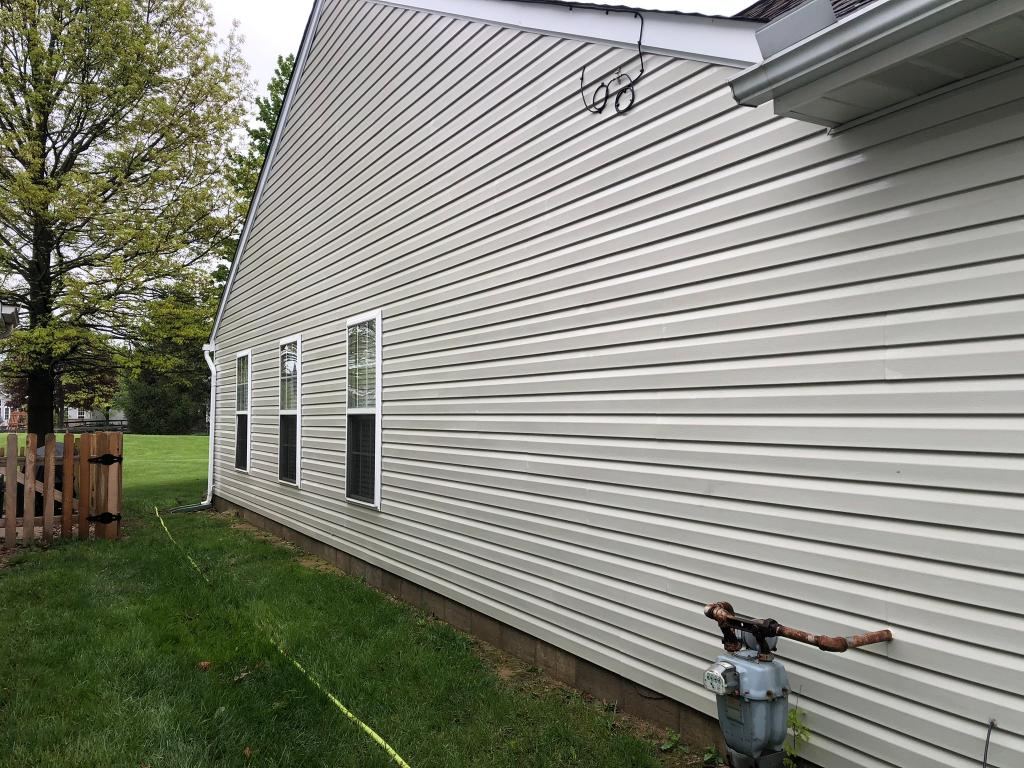
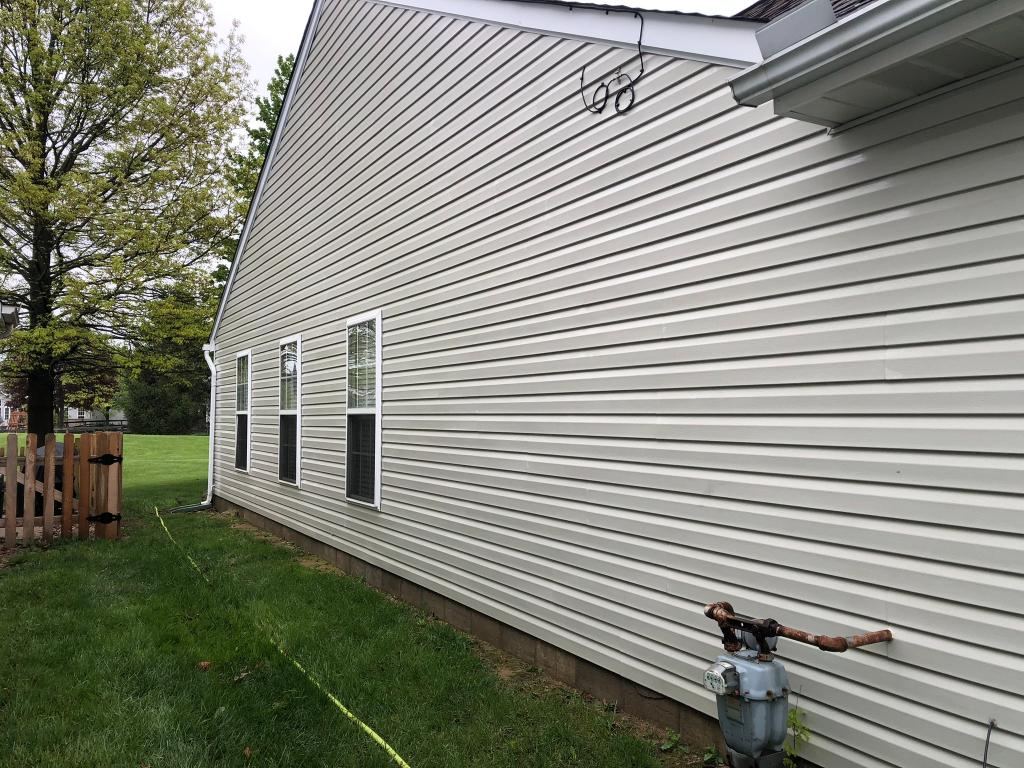
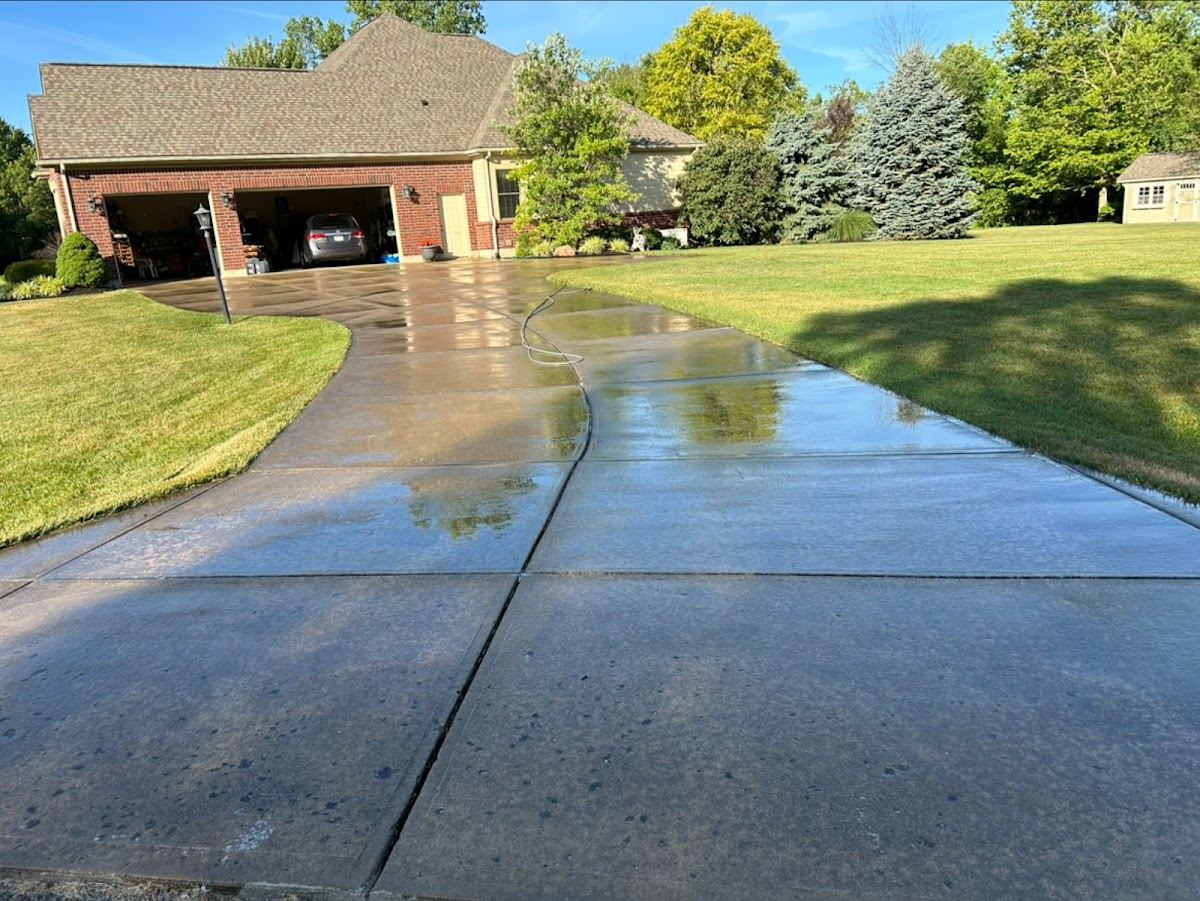
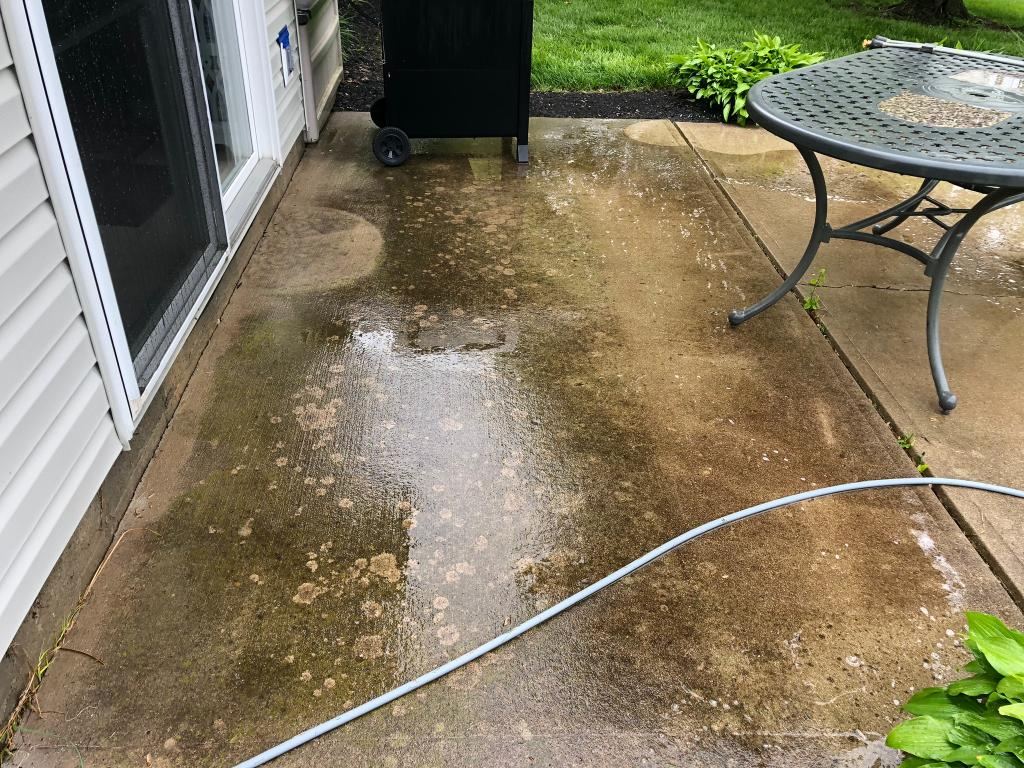
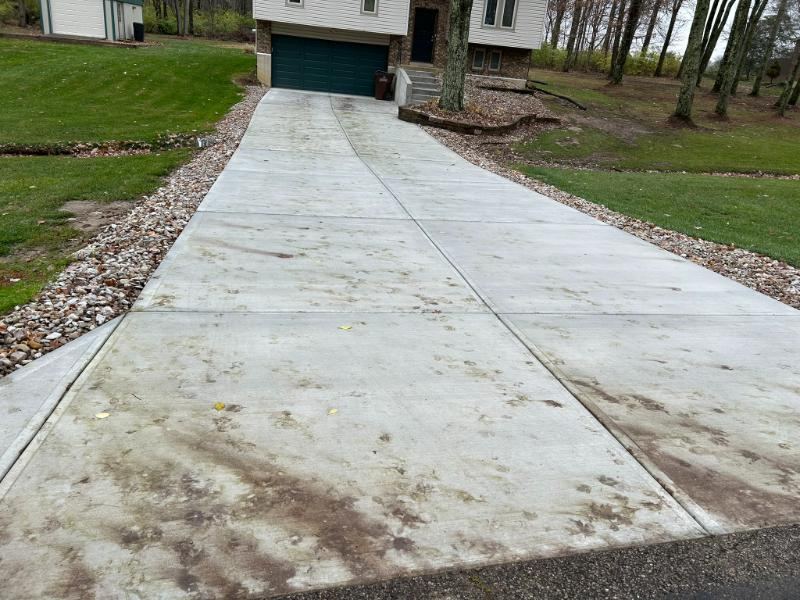
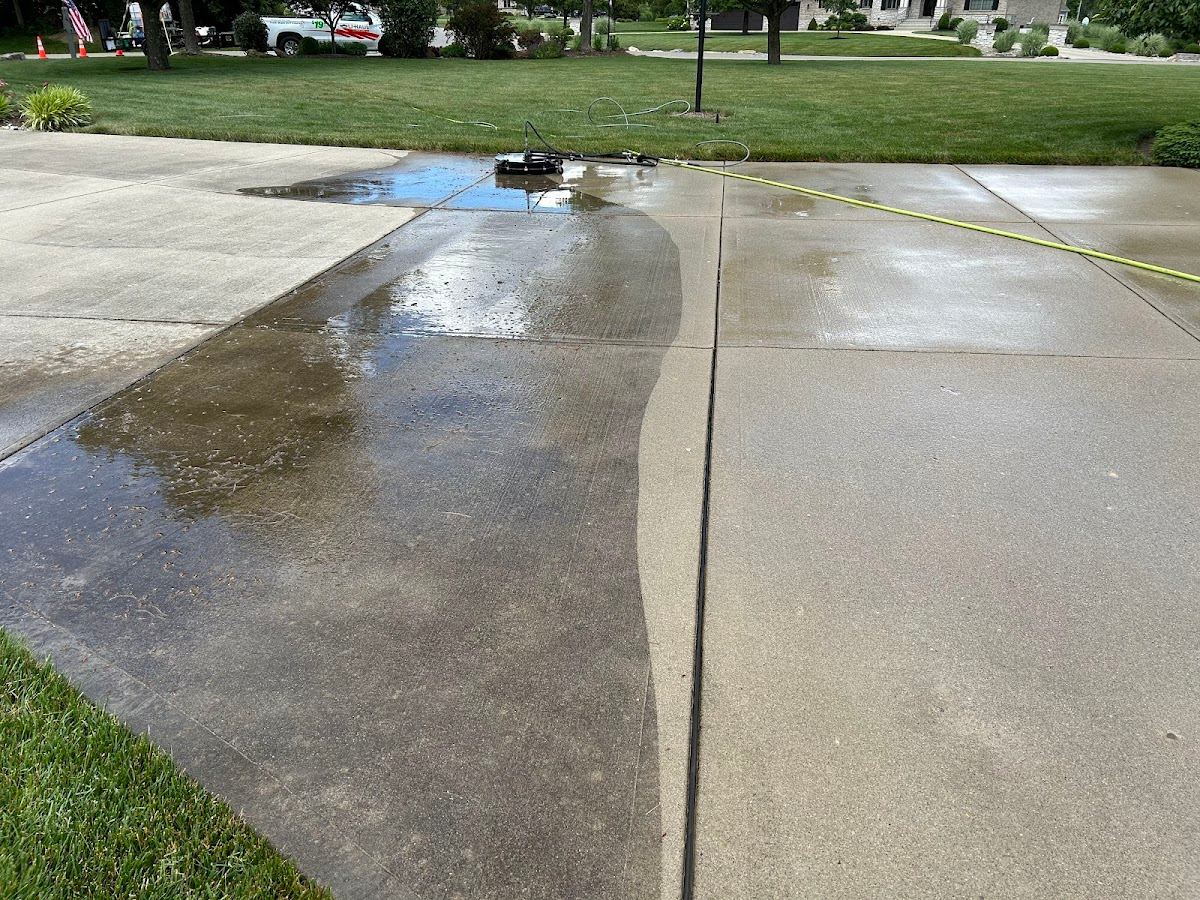
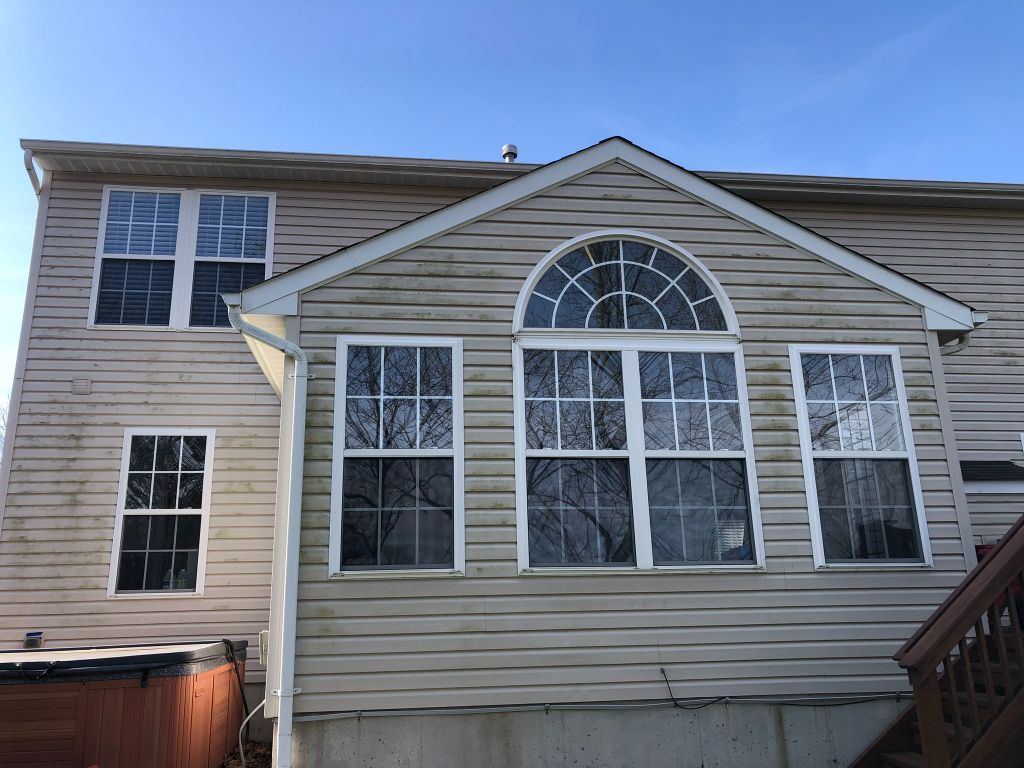
Real photos from Redhead Pressure Cleaning jobs across Ohio.
How It Works
Our Pressure Washing Process
- 1
Request a Free Estimate
Call or text us a quick description (a photo helps) and we send back a clear, no-obligation quote.
- 2
We Inspect the Surface
We look at the material, the buildup, and the surroundings to choose the safest, most effective method.
- 3
We Choose the Right Method
High pressure for hard surfaces, low-pressure soft washing for siding, roofs, and delicate materials.
- 4
We Wash Safely & Thoroughly
We protect landscaping, apply surface-safe cleaning solutions, and clean every section with care.
- 5
Final Walkthrough
We walk the finished work with you to make sure you're happy before we pack up.
Questions
Pressure Washing FAQs
It can if the wrong method is used, which is why we soft wash siding and wood. Soft washing uses low pressure and a cleaning solution to kill algae and mildew at the root without gouging the material, forcing water behind the siding, or stripping paint and stain. High pressure is reserved for durable surfaces like concrete and masonry.
That is almost always Gloeocapsa magma, a blue-green algae that thrives in Ohio's humidity and shade. It roots into shingles and siding and feeds on the material, so a garden hose will not touch it. It needs a surface-safe soft wash with a cleaning solution that kills it at the root so it stays gone longer.
We avoid washing during hard freezes. Water forced into concrete and masonry pores freezes and expands, which causes spalling and cracking, and runoff turns walkways into ice. We schedule around Ohio's cold snaps and generally recommend late spring through early fall, with a spring clean to clear winter salt and pollen and a fall clean before the freeze-thaw season.
Pressure washing uses concentrated high-pressure water to lift buildup off durable surfaces like concrete, brick, and pavers. Soft washing uses low pressure plus a cleaning solution that dwells on the surface, kills organic growth at the root, and rinses clean. Soft washing is the safe choice for siding, wood, and roofs; pressure washing is for hardscapes that can take the force.
Yes. Salt tracked and splashed onto driveways, garage aprons, and lower siding is corrosive and pulls in moisture, which speeds up freeze-thaw damage and rust. A spring cleaning that removes salt residue protects concrete and siding heading into the warmer months, and it clears the way before pollen and algae take hold.
For driveways and patios, sealing is worth considering. A quality sealer fills the pores so water, oil, and salt cannot soak in, which slows staining and reduces the freeze-thaw damage that breaks Ohio concrete apart over winter. We can talk through whether it makes sense for your surfaces during a free estimate.
It depends on method and conditions. When growth is killed at the root rather than just blasted off, the clean look lasts much longer. Heavy shade, poor drainage, overflowing gutters, and overhanging trees keep surfaces damp and shorten results, so most homes in the area do well with a full cleaning once a year, and some shaded or wooded properties benefit from more frequent visits.
Yes, every estimate is free and in writing. We are a local, owner-operated, licensed and insured company based in Springboro, and we serve the I-75 corridor from Dayton to Cincinnati and across Ohio. Call or text (351) 242-0666 and we will set up a time that works for you.
Request a Free Estimate
Tell us about your pressure washing job — a photo helps us quote fast.
Ready for Professional Pressure Washing?
Get a free, no-obligation estimate for pressure washing anywhere in Springboro, the I-75 corridor, and across Ohio.