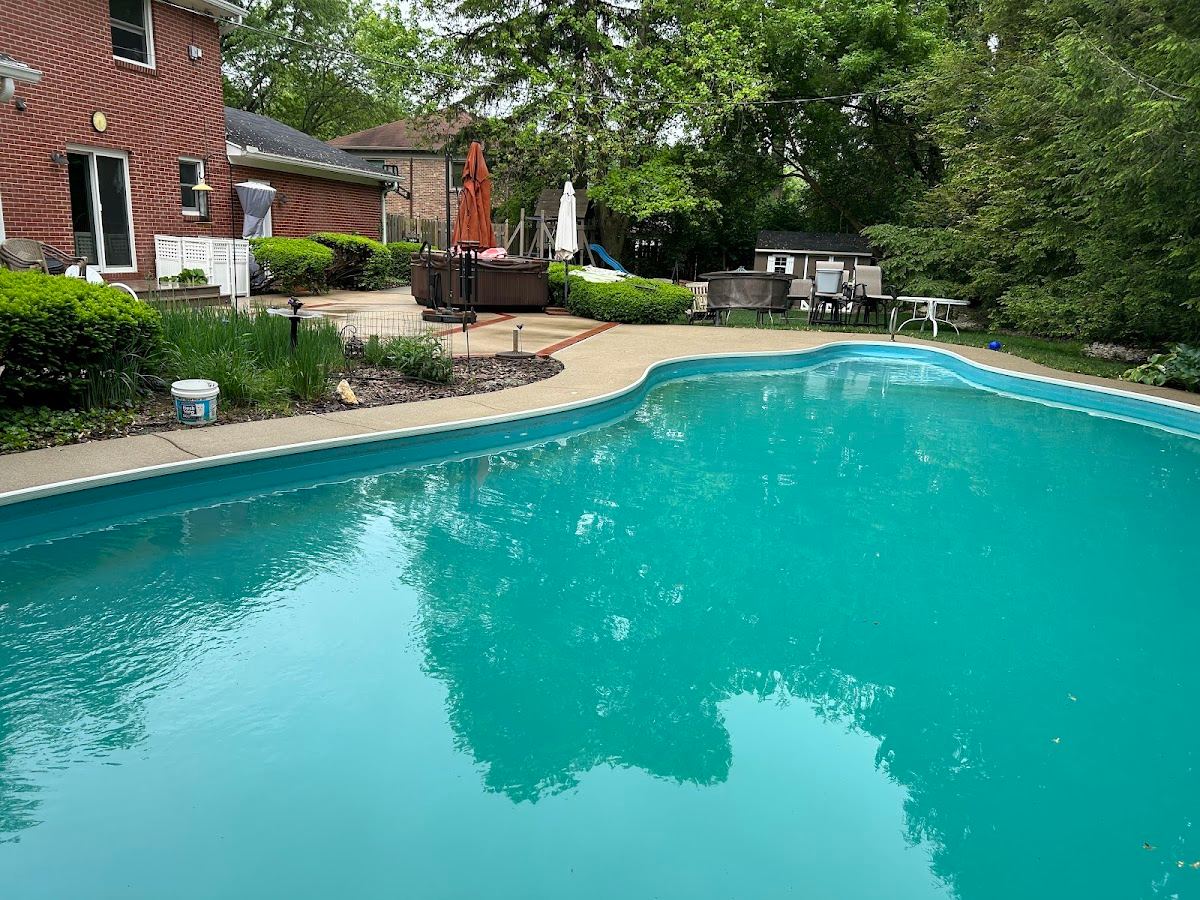
Residential Service
Pool Deck Cleaning Services in Ohio
Safer, cleaner pool decks free of slippery algae.
Pool Deck Cleaning in Ohio
A pool deck is a high-traffic, bare-feet, slip-risk surface — so a clean, slip-resistant finish matters for safety as much as looks. We clean concrete, paver, and stone pool decks to lift algae and grime, leaving a brighter, safer surround for your pool.
The Problem
Pool decks grow slippery algae and collect grime, creating a real slip hazard around the water.
Our Surface-Safe Approach
Surface-appropriate cleaning for concrete, pavers, or stone, focused on traction and an even finish.
The Result
A brighter, safer, slip-resistant pool deck ready for the season.
Why choose Redhead for pool deck cleaning
- Removes slippery algae for safer footing
- Right method for concrete, paver, or stone
- Brightens the whole pool area
- Great for homeowners and HOAs
- Optional sealing for paver decks
Pool Deck Cleaning in Ohio
Your complete guide to pool deck cleaning in Ohio
Why Ohio Pool Decks Get Slick, Stained, and Weathered
A pool deck stays wet longer than almost any other surface on your property. Splash-out, rain, humidity from the water, and shade from the house or fence all keep it damp for hours. That standing moisture is exactly what algae, mildew, and mold need to take hold. In our climate along the I-75 corridor, the growing season is long and muggy, so the green film and black staining you see by mid-summer isn't cosmetic neglect - it's biology doing what biology does on a wet, porous surface.
Two organisms cause most of the discoloration. The bright green, slippery layer is common surface algae, and it thrives in the low, damp, shaded zones where water pools. The stubborn black or dark-gray streaking is usually Gloeocapsa magma, a hardy cyanobacteria that feeds on moisture and the calcium carbonate in concrete and forms a dark protective coating as it matures. That black layer is why a quick scrub rarely fixes the problem - you're only knocking the surface off a colony that has rooted into the pores of the slab. It has to be treated, not just blasted.
Ohio adds its own stresses. Tree and grass pollen coats decks yellow-green every spring and feeds algae as it breaks down. Overhanging trees drop tannin-heavy leaves and berries that leave rust-brown stains. Winter brings freeze-thaw cycling and road salt tracked in on feet and shoes, both of which pull moisture into the surface and, over years, contribute to flaking and pitting known as spalling. Add sunscreen, body oils, leaf tannins, and mineral deposits from pool water itself, and you have a surface that collects a lot more than dirt.
The safety angle matters most. Wet algae on smooth concrete or coping is genuinely slick, and a pool deck is the one place where a slip has real consequences. Restoring traction is the practical reason most homeowners call, even before they think about how the deck looks.
How Professional Pool Deck Cleaning Actually Works
The right process is soft washing, not brute-force blasting. Here's what that means in practice and why it matters around a pool. High pressure alone will strip off the green you can see while leaving the algae and cyanobacteria roots alive in the pores - so it grows back fast. It can also etch concrete, blow out the joint sand between pavers, and gouge softer stone. Soft washing flips the order: the cleaning solution does the work, and water pressure is dialed down to whatever the surface safely allows.
A typical visit follows a clear sequence. First we protect the surroundings - we pre-wet and rinse nearby plantings and beds, and we're mindful of the pool water itself, keeping our solution off the surface and out of the water. Second, we apply a surface-safe cleaning solution formulated to kill algae, mold, mildew, and the black cyanobacteria at the root, and we let it dwell so it breaks the organic bond instead of just loosening the top layer. Third, we clean the surface using the correct method for the material - a broad, even rinse for concrete, a controlled surface cleaner to avoid streak lines, and lower pressure for pavers and stone. Finally, we rinse everything down, check the transitions at coping, steps, and expansion joints, and give the beds another rinse.
The difference you'll notice is uniformity and staying power. Because the biological growth is treated rather than merely displaced, the deck comes back evenly clean and stays clean far longer than a rushed pressure job. The same soft-wash discipline we use here carries over to our concrete cleaning and patio cleaning work, since the underlying surfaces and the growth on them are closely related.
Matching the Method to Your Deck Material
"Pool deck" covers a lot of different surfaces, and each one wants a different touch. Getting this match right is the whole game - it's the difference between a deck that looks new and one that's been quietly damaged.
- Broom-finished concrete: The most common pool deck here. Durable, but porous, so algae and black staining sink in. It takes a treat-and-rinse approach with a surface cleaner for even results and no wand streaks. Too much pressure etches the finish and opens the pores to more staining.
- Stamped and decorative concrete: The color and sealer live in a thin top layer. Aggressive pressure blows out the sealer and fades the color. This surface needs solution-first cleaning and gentle rinsing to preserve the decorative finish. Our concrete cleaning page goes deeper on stamped and colored slabs.
- Pavers: The pavers themselves are tough, but the polymeric sand in the joints is not. High pressure strips that sand, invites weeds and ants, and can loosen the field. We keep pressure controlled and angle away from the joints. See our dedicated paver cleaning service for how we handle sanding and joint stabilization.
- Natural stone, travertine, and flagstone: Softer and more variable than concrete. Some stone is acid-sensitive and pressure-sensitive both. This is soft-wash territory - correct solution, low pressure, careful rinsing.
- Brick and tile coping: Cleans up well but the mortar and grout lines are the weak point. We protect those seams so we're not carving out grout while cleaning the face.
When a deck mixes materials - concrete field with a paver border and stone coping, for instance - we don't clean it all the same way. Each zone gets the pressure and solution it can handle. That's the practical reason material identification comes before anyone turns on a hose.
Signs It's Time to Clean Your Pool Deck
You don't have to wait for the deck to turn green to know it needs attention. A few reliable tells:
- It's slick when wet. If you or the kids are slipping near the water's edge or on the steps, there's biological growth on the surface even if it's not obviously green yet. This is the one to act on immediately.
- Green, gray, or black patches in the shaded, low-drainage spots - along the house side, under the diving board, beside planters. Growth always shows up in the dampest areas first.
- Dark streaks or a dingy overall haze that a garden hose won't touch. That's usually the black cyanobacteria or ground-in pollen and organic film.
- Rust-brown or reddish stains under trees or near metal furniture and railings - tannins and metal oxidation, which respond to targeted treatment rather than scrubbing.
- A rough, chalky, or powdery feel underfoot, or fine pitting - early spalling from freeze-thaw and salt that means the surface is losing its seal and soaking up more moisture.
- Efflorescence - that white, powdery mineral bloom on concrete and pavers - which signals moisture moving through the surface.
If two or three of these are showing up, the deck is past due. Catching it at the first green film is easier on the surface and cheaper than waiting until the black staining has set into the pores.
How Often to Clean and the Best Time of Year in Ohio
For most Ohio homeowners, once a year is the baseline, and many decks do best with a light touch-up on top of that. An annual cleaning keeps growth from ever establishing itself, which is far easier than reclaiming a deck that's gone green for two summers. Decks that sit in heavy shade, under trees, or on the damp north side of a house often justify twice a year.
Timing is where a little planning pays off. Two windows work best:
- Late spring, before the pool opens. This clears out the winter's pollen, salt residue, and any growth that got a head start over the cool, wet months, and it restores traction before anyone's using the deck. This is the most popular slot for a reason.
- Early fall, as the season winds down. Cleaning off summer's sunscreen, body oil, algae, and mineral buildup before winter means less organic material sitting on the surface through the freeze-thaw months - which reduces staining and helps the surface shed moisture instead of holding it.
If you can only do one, do the spring cleaning. Going into winter, the biggest favor you can do a concrete deck is to make sure it's clean and, ideally, sealed, so meltwater and road salt aren't soaking into an already-fouled surface. Homeowners in Springboro and across the Dayton area tend to book on this spring/fall rhythm, and it keeps decks looking right year-round.
What Affects the Result and How Long It Lasts
Not every deck stays clean for the same length of time, and it helps to know why. Longevity comes down to a handful of factors:
- Sun and shade. A deck in full sun dries quickly and resists regrowth. One tucked in shade under trees stays damp and greens up sooner. Shade is the single biggest driver of how fast algae returns.
- Drainage and grade. Low spots and poor drainage hold water and grow algae first. Good runoff away from the pool means a cleaner deck for longer.
- Sealer. A sealed surface sheds water, resists staining, and holds its cleaning far better than bare, porous concrete. An unsealed deck absorbs everything - pollen, tannins, algae, salt - and needs cleaning more often.
- Tree cover. Overhanging trees mean constant pollen, leaf drop, berries, and tannin staining. Trimming back what you can genuinely stretches the time between cleanings.
- Pool chemistry and splash-out. Frequent splash-out and mineral-heavy water leave deposits at the water's edge that build over a season.
The practical takeaway: cleaning removes the problem, but the conditions around your deck decide how fast it comes back. That's why we'll point out drainage issues or heavy tree cover when we're on site - small changes there make every future cleaning last longer. When a deck flows into a larger patio or walkway, cleaning them on the same schedule keeps the whole space consistent.
DIY Mistakes That Damage Pool Decks
Renting a pressure washer feels like the obvious move, and for a small job it can be. But a pool deck is an easy surface to hurt, and the damage from a weekend gone wrong usually costs more than the cleaning would have. The common mistakes:
- Too much pressure, too close. A consumer washer at full tip can etch concrete, leave wand stripes, and scar decorative finishes. Once concrete is etched, it's rougher, holds more dirt, and stains faster - permanently.
- Blasting the joints out of pavers. High pressure strips polymeric sand from paver joints in seconds. Then you've got shifting pavers, weeds, and a re-sanding job on top of everything else.
- Skipping the treatment. Water alone displaces green algae without killing it, so it's back within weeks. Worse, the black cyanobacteria won't budge without the right solution and dwell time - people scrub for hours and barely dent it.
- Wrong or harsh cleaning solutions. Straight bleach or acid poured on a deck kills plants, discolors the surface, damages coping and grout, and can end up in the pool water. Getting the solution and dilution right around a pool is not a guess-and-check situation.
- Ignoring the pool and the plantings. Overspray into the pool throws off chemistry; runoff into beds kills landscaping. Both are avoidable with the right prep, which is easy to overlook when you're focused on the deck.
- Damaging softer stone. Travertine and flagstone can be pressure- and acid-sensitive at the same time, so the tools that work on concrete can ruin them.
None of this means a deck is fragile - it means the margin for error is small, and the surface tells on you when the method is wrong.
Get a Free Estimate From a Licensed and Insured Local Pro
The reason to bring in a professional isn't just the equipment - it's the judgment about which method a given surface can take, and the accountability that comes with being licensed and insured. Working around a pool means managing water chemistry, protecting plantings, and reading a surface correctly the first time. Get it wrong and you're looking at etched concrete, stripped paver joints, or damaged stone. As a local, owner-operated company, we treat your property as our own, and we back that with a free written estimate before any work starts, so there are no surprises.
Redhead Pressure Cleaning serves Springboro, the Township of Franklin, and the I-75 corridor from Dayton to Cincinnati, along with communities across Ohio. Whether it's a green, slippery concrete deck, a paver surround that needs its joints protected, or natural stone that needs a careful hand, we'll match the right approach to your deck and restore both the look and the traction. Call or text us at (351) 242-0666 to schedule your free written estimate.
Real Jobs
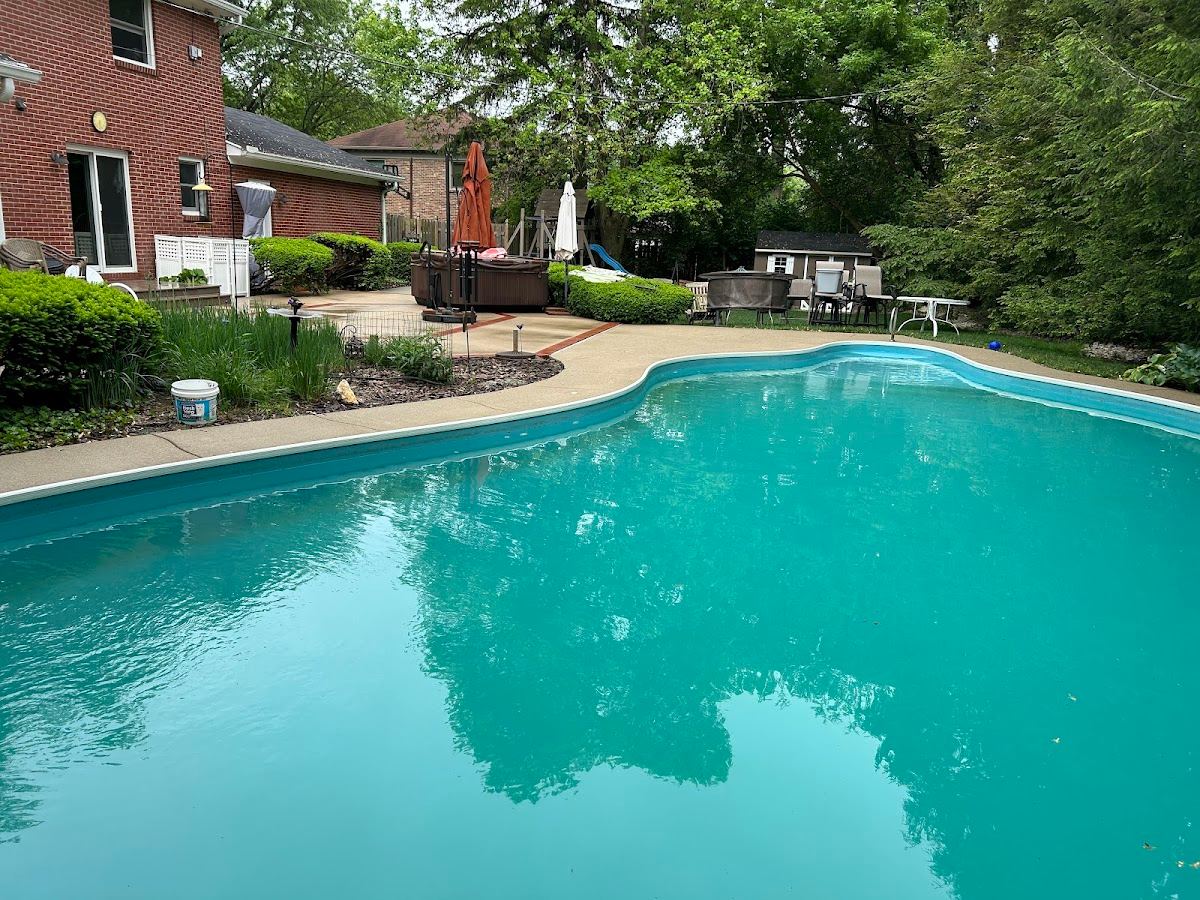
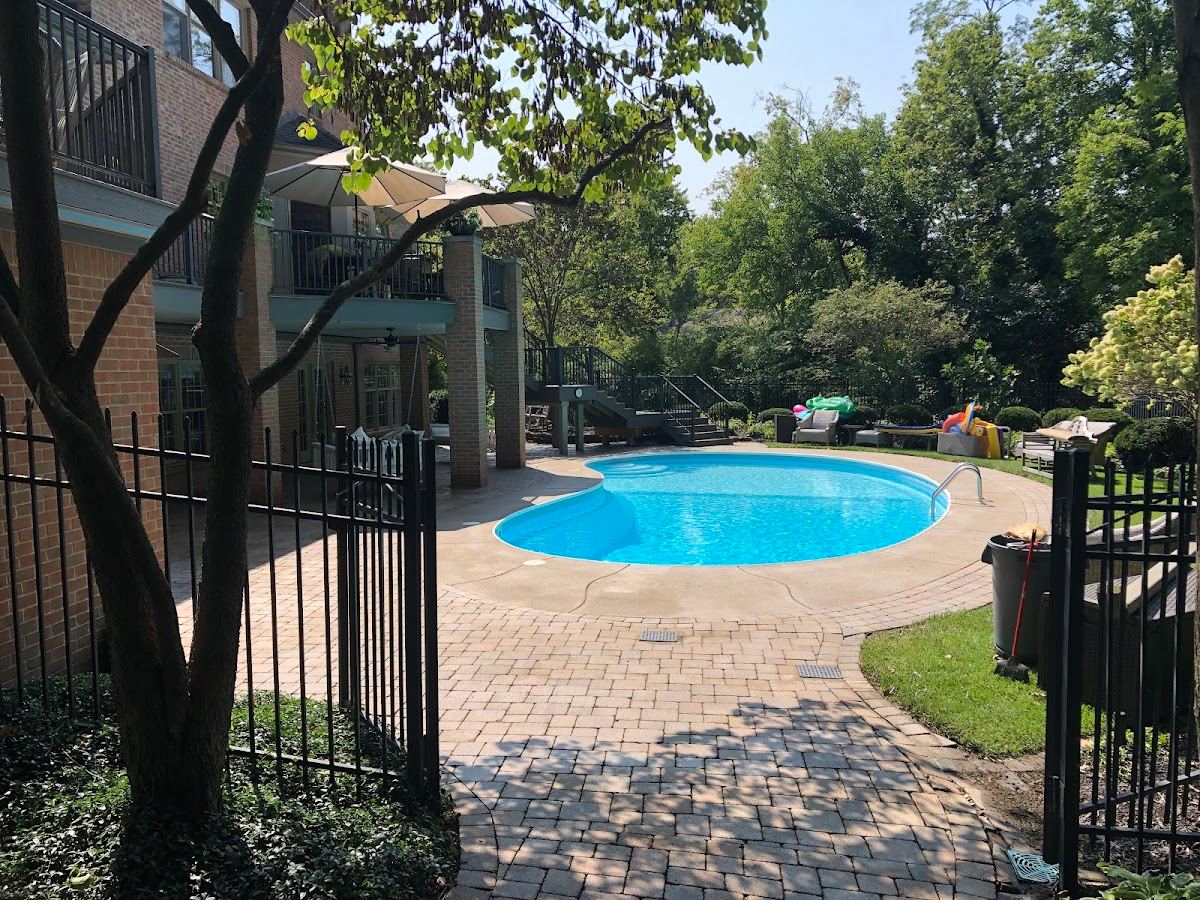
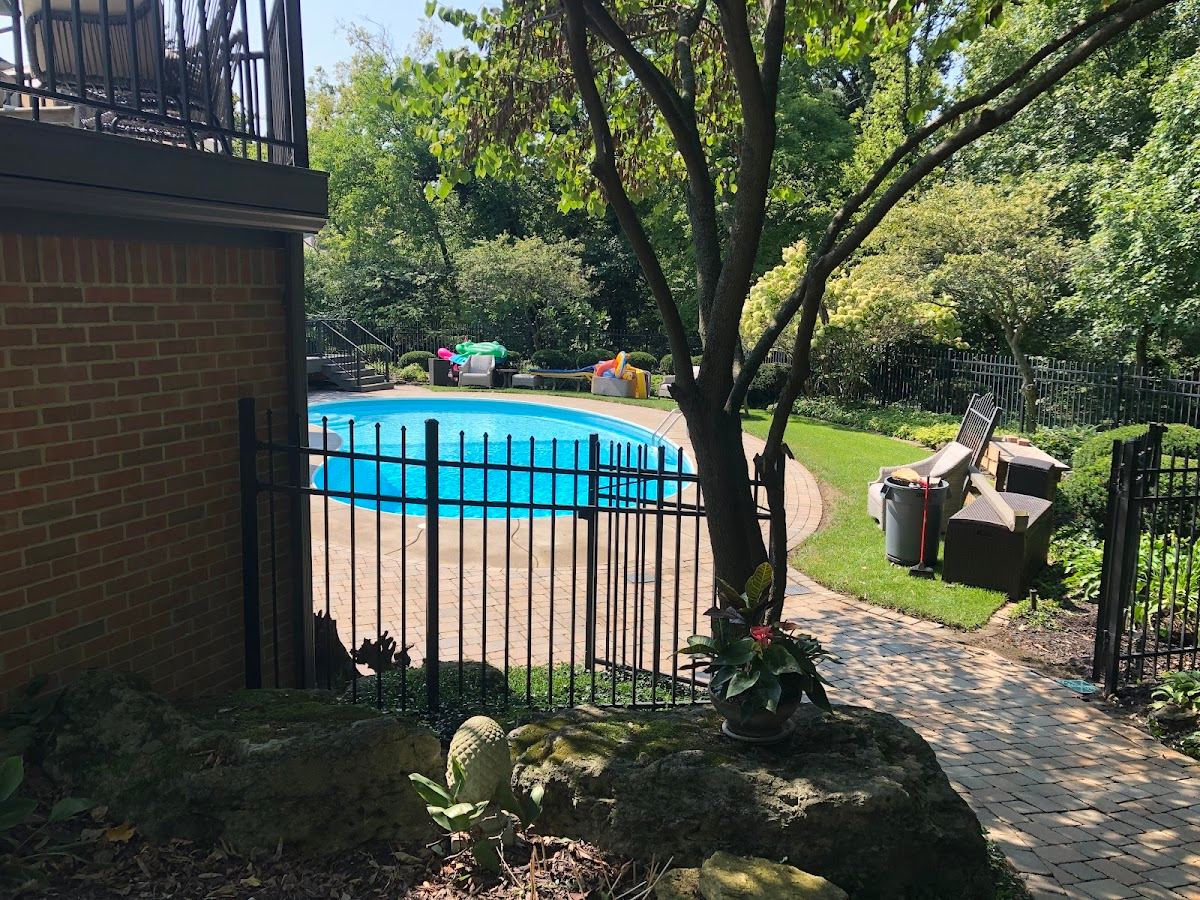
Pool Deck Cleaning — Recent Work
Real photos from Redhead Pressure Cleaning jobs across Ohio.
How It Works
Our Pool Deck Cleaning Process
- 1
Request a Free Estimate
Call or text us a quick description (a photo helps) and we send back a clear, no-obligation quote.
- 2
We Inspect the Surface
We look at the material, the buildup, and the surroundings to choose the safest, most effective method.
- 3
We Choose the Right Method
High pressure for hard surfaces, low-pressure soft washing for siding, roofs, and delicate materials.
- 4
We Wash Safely & Thoroughly
We protect landscaping, apply surface-safe cleaning solutions, and clean every section with care.
- 5
Final Walkthrough
We walk the finished work with you to make sure you're happy before we pack up.
Related Services
Questions
Pool Deck Cleaning FAQs
It can if it's done wrong. Too much pressure held too close etches concrete, leaves wand stripes, and blows sealer off decorative finishes - and etched concrete stains faster afterward. We use a soft-wash approach where a surface-safe cleaning solution does the work and pressure is dialed down to what the surface can safely take, so the deck comes clean without being damaged.
That black or dark-gray staining is usually Gloeocapsa magma, a hardy cyanobacteria that roots into the pores of the concrete and feeds on moisture and calcium carbonate. Rinsing or scrubbing only removes the top layer, so the colony regrows. It has to be treated with the right cleaning solution and given time to work at the root - which is why professional treatment lasts and a quick blast doesn't.
Yes, when it's done carefully. We keep our cleaning solution off the pool surface and out of the water, and we manage overspray and runoff so pool chemistry isn't thrown off and your landscaping isn't harmed. This prep is one of the main things a DIY job tends to overlook.
Sealing is worth considering, especially on bare concrete. A sealed surface sheds water, resists algae and staining, and holds its cleaning far longer than porous, unsealed concrete that absorbs pollen, tannins, and salt. Cleaning first and then sealing gives you the longest-lasting result, and heading into an Ohio winter a sealed deck resists meltwater and road-salt damage better.
The pavers themselves are tough, but high pressure strips the polymeric sand from the joints, which leads to weeds, ants, and shifting pavers. The fix is controlled pressure angled away from the joints and, when needed, re-sanding afterward. Our paver cleaning service is set up specifically to protect and restore those joints.
Most decks are ready to walk on shortly after we finish rinsing, once surface water clears. Concrete dries faster in full sun and slower in shade or humidity. If we apply a sealer, that needs additional cure time and we'll give you a clear timeframe before we leave.
Yes, but it needs a careful hand. Travertine, flagstone, and some natural stone are both pressure-sensitive and acid-sensitive, so the tools and solutions that work on concrete can etch or discolor them. We identify the material first and use a soft-wash method with the correct solution and low pressure for that specific stone.
They use the same soft-wash approach, but a pool deck adds pool-water and coping considerations, and often mixes materials like concrete, pavers, and stone in one space. If your deck flows into a larger patio or walkway, we usually recommend cleaning them together on the same schedule so the whole area stays consistent - see our patio cleaning and concrete cleaning pages for those surfaces.
Request a Free Estimate
Tell us about your pool deck cleaning job — a photo helps us quote fast.
Ready for Professional Pool Deck Cleaning?
Get a free, no-obligation estimate for pool deck cleaning anywhere in Springboro, the I-75 corridor, and across Ohio.