Residential Service
Brick & Stone Cleaning Services in Ohio
Restore brick, stone, and masonry without damaging mortar.
Brick & Stone Cleaning in Ohio
Brick and stone add character — until algae, efflorescence, and grime dull them. We clean masonry, monuments, and stone features with controlled methods that lift the buildup without blowing out mortar joints, restoring the natural color and texture.
The Problem
Brick and stone collect algae, efflorescence, and grime, and aggressive cleaning can damage soft mortar joints.
Our Surface-Safe Approach
Controlled pressure and surface-safe treatments matched to masonry, protecting mortar while removing buildup.
The Result
Restored brick and stone with their natural color and texture back.
Why choose Redhead for brick & stone cleaning
- Protects mortar joints from blowout
- Removes algae, efflorescence, and grime
- Restores natural brick and stone color
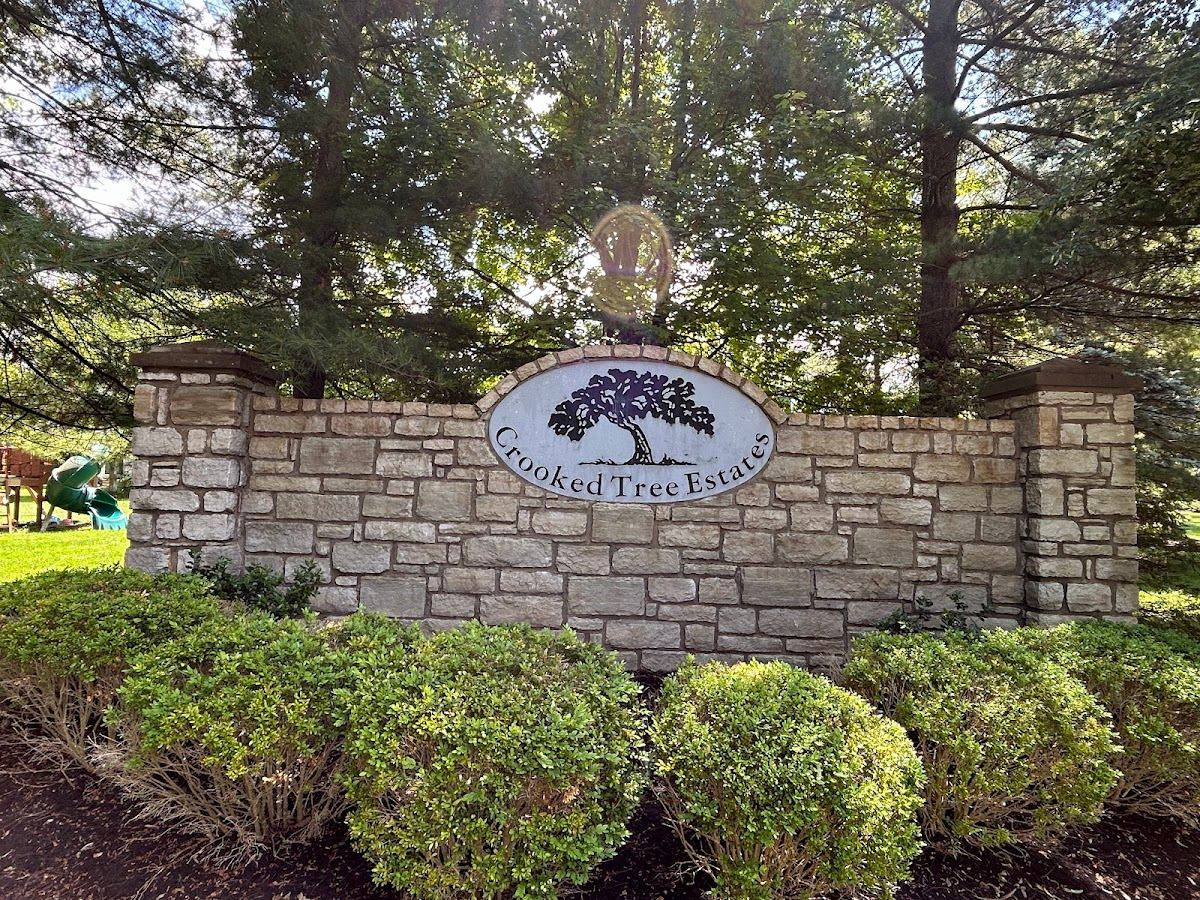
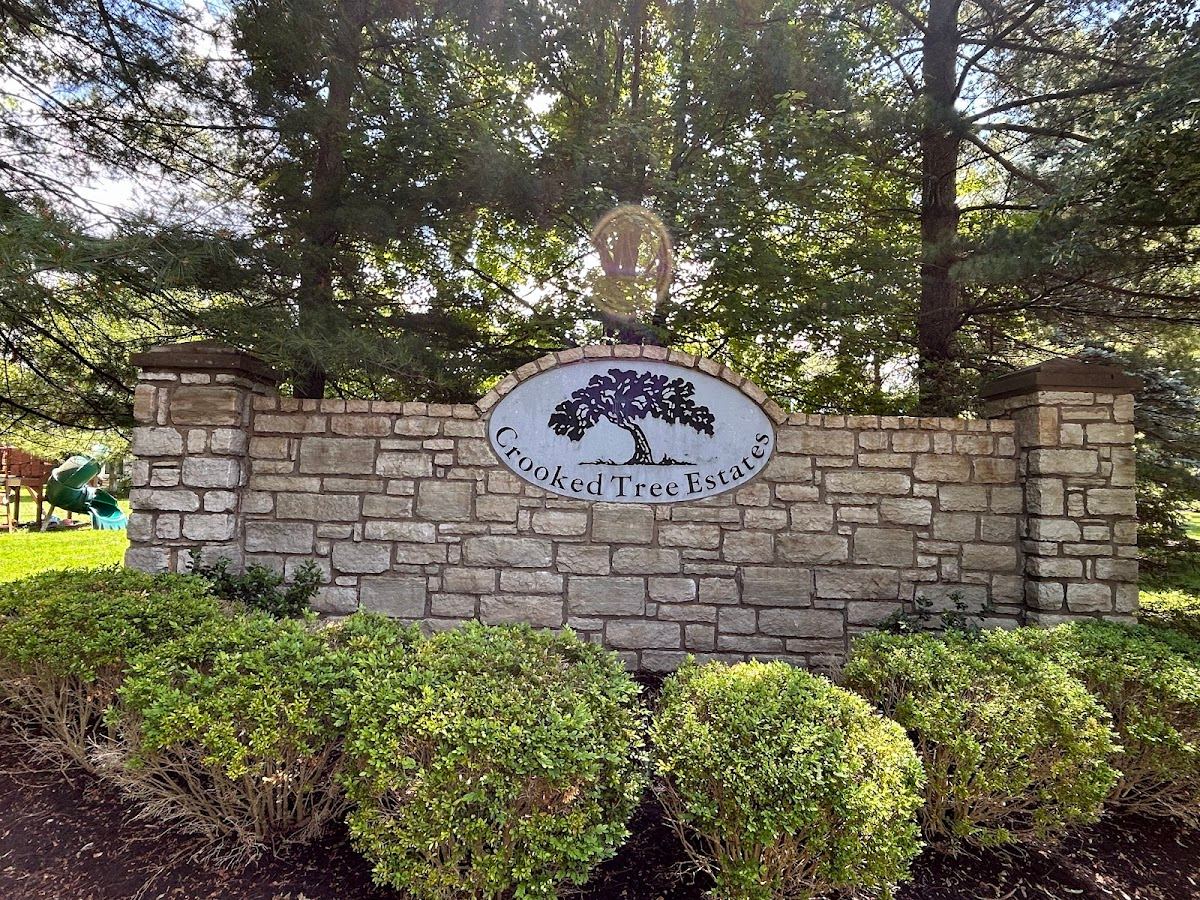
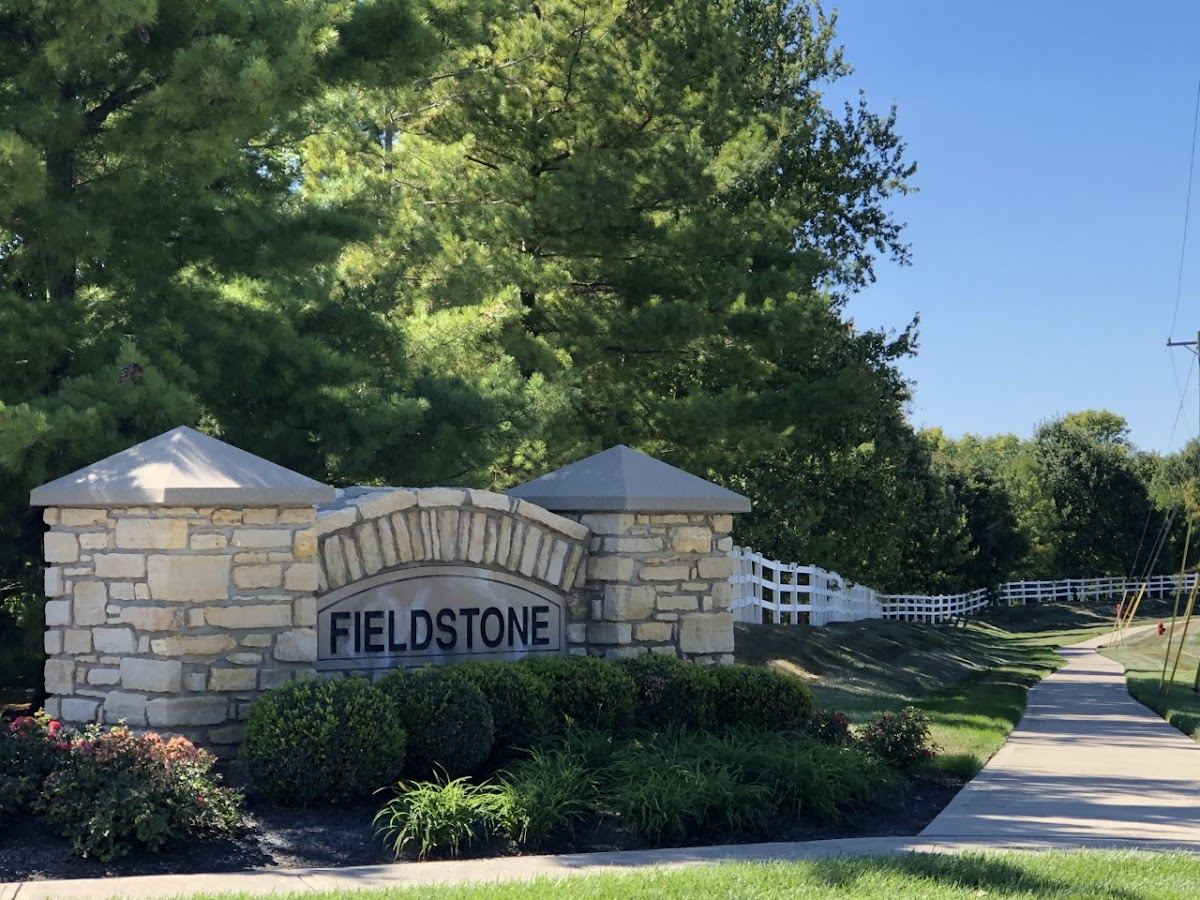
- Great for HOA and subdivision entrances
- Residential and commercial masonry
Brick & Stone Cleaning in Ohio
Your complete guide to brick & stone cleaning in Ohio
Why Ohio Brick and Stone Get Dirty the Way They Do
Brick, natural stone, cultured stone, and mortar are porous. They drink in water, hold it, and give the sun a shaded, humid place to grow things. That is why masonry in the I-75 corridor between Dayton and Cincinnati takes a beating that homeowners in drier states never see.
The green and black streaks running down a north-facing brick wall are usually Gloeocapsa magma and common algae. The fuzzy green carpet in the mortar joints is moss. The crusty gray-green patches are lichen, which actually roots into the surface. All three feed on humidity, trapped moisture, and airborne nutrients, and southwest Ohio hands them all three in abundance. Add tree pollen every spring, road salt and winter grime splashed up along driveways and foundations, and organic staining from overhanging maples and oaks, and a clean brick face turns dingy fast.
Then there is the white, chalky bloom called efflorescence. Those are mineral salts inside the brick and mortar that dissolve in moisture and migrate to the surface as the wall dries, leaving a powdery crust. It is not dirt, and it does not scrub off like dirt. It signals that water is moving through the masonry, which is the same water that drives freeze-thaw damage in winter. Understanding what is actually on your wall is the first step to cleaning it without hurting it.
Soft Washing vs. High-Pressure: Why Method Matters on Masonry
Here is the mistake that costs homeowners the most money: blasting brick with a pressure washer on full power. It looks effective for about a season. Then the trouble starts.
High pressure does not just remove grime. It erodes the fired "skin" on the face of the brick, chews soft mortar out of the joints, and drives water deep into the pores. Every gallon forced into that masonry is water that will freeze, expand, and pop the face off the brick when winter hits. That is called spalling, and it is permanent. Older and softer historic brick is especially vulnerable.
We clean brick and stone the right way with a surface-safe soft wash. Low-pressure application, the correct cleaning solution, and dwell time do the work. The solution breaks down algae, mold, moss, and biological staining at the root instead of just knocking the surface color off. Because it kills the organisms rather than shaving them, the results stay clean far longer than a pressure-only rinse. Not every surface gets the same recipe. Delicate cast stone, tuckpointed joints, and painted brick get gentler handling than a durable modern face brick, and we match the approach to what we are standing in front of. This is the same low-pressure philosophy we use for house washing across siding and stucco, where forcing water behind the surface causes just as much trouble.
What a Professional Brick and Stone Cleaning Actually Includes
A real cleaning is a process, not a quick rinse. Here is what goes into treating a masonry surface properly.
- Inspection first. We look at the type of masonry, the condition of the mortar joints, and what is actually growing or staining. Loose mortar, prior paint or sealer, and open cracks all change the plan.
- Protecting the surroundings. Plants, landscaping, light fixtures, and adjacent surfaces get shielded and pre-wet so the cleaning solution stays where it belongs.
- Applying the cleaning solution. The right mix is applied at low pressure and given time to dwell so it can kill algae, mold, moss, lichen, and the black Gloeocapsa magma staining down to the root.
- Targeted stain work. Efflorescence, rust runs, organic tannin bleed, and stubborn biological patches get spot treatment matched to the stain.
- A controlled rinse. A gentle, even rinse carries everything away without driving water into the wall or scouring the mortar.
When brick meets a concrete patio, walkway, or driveway, we can carry the same visit into concrete and flatwork cleaning so the whole footprint matches instead of leaving a clean wall above a dingy slab. On larger structures, this pairs naturally with full exterior building washing.
Signs Your Brick or Stone Is Overdue for a Cleaning
You do not have to wait for a wall to turn solid green. A few practical signs mean it is time to book a cleaning.
- Green or black streaking, especially on north- and shade-facing walls that stay damp.
- A white chalky film that keeps coming back after you wipe it. That is efflorescence, and it means moisture is moving through the masonry.
- Moss or grass sprouting in the mortar joints, or a soft green fuzz along the base of the wall.
- Dark tide lines near grade where soil, splash-back, and road salt collect.
- Fading or a dull, gray haze across the whole face where the original brick color used to be sharp.
- A musty smell near a shaded brick or stone wall, which usually means active biological growth.
Catching it early matters. Algae, moss, and lichen hold moisture against the surface, and moisture is the fuel for the freeze-thaw damage that cracks brick and crumbles mortar. Cleaning is not only cosmetic. It removes the growth that keeps your masonry wet.
How Often to Clean, and the Best Time of Year in Ohio
For most southwest Ohio homes, a professional brick and stone cleaning every 18 to 36 months keeps a wall ahead of the growth. Shaded walls, homes under heavy tree cover, and anything near a creek, pond, or constant sprinkler overspray trend toward the shorter end. Sun-exposed walls with good airflow can go longer.
Timing is about temperature and daylight. Late spring through early fall is the sweet spot in Ohio. The cleaning solution works best in mild weather, surfaces dry properly, and you are not fighting a freeze. Cleaning in fall has a real advantage: it strips off the summer's algae and organic buildup before winter, so there is less growth holding water in the masonry when the freeze-thaw cycle sets in. That is exactly when trapped moisture does the most harm. A well-timed clean going into winter is one of the cheapest forms of protection a brick wall gets.
Every property is a little different. When we give you a free written estimate, we will tell you honestly how often your specific walls need attention based on exposure, shade, and what we see growing.
DIY Mistakes That Damage Brick and Stone
We get called out to fix the aftermath of well-meaning weekend projects more often than we would like. The most common and most expensive mistakes:
- Full-throttle pressure washing. It erodes the brick face, blows out mortar, and forces water into the pores, setting up spalling the following winter.
- Harsh acid straight out of the jug. Muriatic acid used wrong burns the brick, discolors it, and eats the mortar. Efflorescence treatment takes the right product at the right strength, not a stronger dose.
- Sealing dirty or damp masonry. Seal over algae or trapped moisture and you lock the problem inside the wall.
- The wrong sealer entirely. Non-breathable film sealers and paint trap water vapor that needs to escape. On brick, that trapped moisture freezes and pops the face off. A proper masonry sealer is a breathable, penetrating type that repels liquid water while still letting vapor pass out.
- Ignoring the mortar. Cleaning a wall with failing joints just drives water deeper. Loose or missing mortar needs attention before, not after.
The theme in every one of these is water and chemistry. Masonry is more forgiving of a slow, correct approach than a fast, aggressive one, and the damage from getting it wrong is often permanent.
Why a Licensed and Insured Local Pro Is the Safer Bet
Brick and stone are among the least forgiving surfaces on a house. Get the pressure, the solution, or the sealer wrong, and the fix is masonry repair, not a re-clean. That is why the pro doing the work matters.
Redhead Pressure Cleaning is local, owner-operated, and licensed and insured. We know southwest Ohio masonry and the climate that weathers it, from freeze-thaw to humidity to road salt. We match the method to your specific surface, we protect your landscaping and your neighbor's property, and we treat your home as our own. Being fully insured also means the liability is ours, not yours, if anything goes sideways.
We serve homeowners across Springboro, Dayton, and the I-75 corridor down toward Cincinnati, plus communities throughout Ohio. If your brick or stone is streaked, chalky, or growing something green, we will take a look and give you a straight answer. Call or text (351) 242-0666 for a free written estimate on getting your masonry clean and protected the right way.
Real Jobs
Brick & Stone Cleaning — Recent Work
Real photos from Redhead Pressure Cleaning jobs across Ohio.


How It Works
Our Brick & Stone Cleaning Process
- 1
Request a Free Estimate
Call or text us a quick description (a photo helps) and we send back a clear, no-obligation quote.
- 2
We Inspect the Surface
We look at the material, the buildup, and the surroundings to choose the safest, most effective method.
- 3
We Choose the Right Method
High pressure for hard surfaces, low-pressure soft washing for siding, roofs, and delicate materials.
- 4
We Wash Safely & Thoroughly
We protect landscaping, apply surface-safe cleaning solutions, and clean every section with care.
- 5
Final Walkthrough
We walk the finished work with you to make sure you're happy before we pack up.
Questions
Brick & Stone Cleaning FAQs
Yes, we treat efflorescence with the correct product and strength so the salt deposits dissolve and rinse away instead of just being smeared around. Keep in mind efflorescence is a sign that moisture is moving through the masonry, so if it returns quickly it points to a water source worth addressing. We will flag that when we inspect your walls.
It kills them. The cleaning solution breaks algae, moss, lichen, and black Gloeocapsa magma staining down at the root during its dwell time, rather than only knocking the surface color off the way a pressure-only rinse does. That is why a proper soft wash stays clean far longer than blasting the wall with high pressure.
High pressure absolutely can. It erodes the fired face of the brick, blows soft mortar out of the joints, and drives water deep into the pores, where it freezes and spalls the brick in winter. We clean masonry with a surface-safe, low-pressure soft wash specifically to avoid that damage, and we handle older or softer brick even more gently.
Sealing can help repel water and slow future staining, but only the right kind. Never put a non-breathable film sealer or paint on brick, because it traps water vapor that then freezes and pops the face off. A breathable, penetrating masonry sealer repels liquid water while letting vapor escape. The masonry also has to be clean and dry first, or you seal the problem inside.
Different masonry gets a different recipe. Softer or more porous natural and cultured stone, cast stone details, and tuckpointed joints get lower pressure and a solution matched to the surface, while durable modern face brick can take a bit more. We inspect what we are working with first and adjust the method to it rather than treating every surface the same.
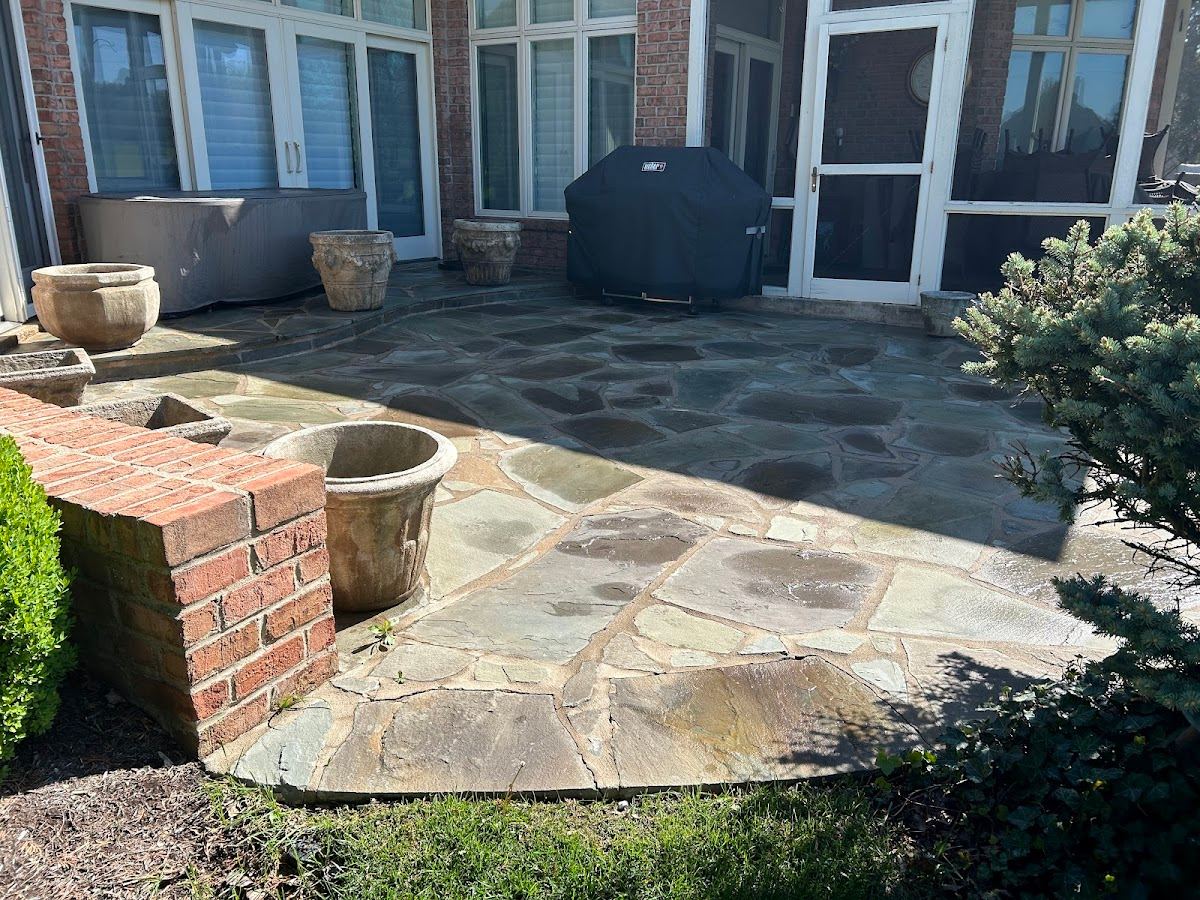
Yes. Horizontal brick and stone hardscape collect moss and algae just like walls do. We can clean walkways, patios, and steps in the same visit, and if the area ties into a concrete slab or driveway we can carry it into concrete cleaning so the whole footprint matches.
Fall is one of the best times in Ohio. Cleaning off the summer's algae and organic buildup before winter means less growth holding moisture against the masonry when the freeze-thaw cycle hits, which is when trapped water does the most damage. Late spring through early fall is the overall sweet spot for temperature and drying.
Request a Free Estimate
Tell us about your brick & stone cleaning job — a photo helps us quote fast.
Ready for Professional Brick & Stone Cleaning?
Get a free, no-obligation estimate for brick & stone cleaning anywhere in Springboro, the I-75 corridor, and across Ohio.