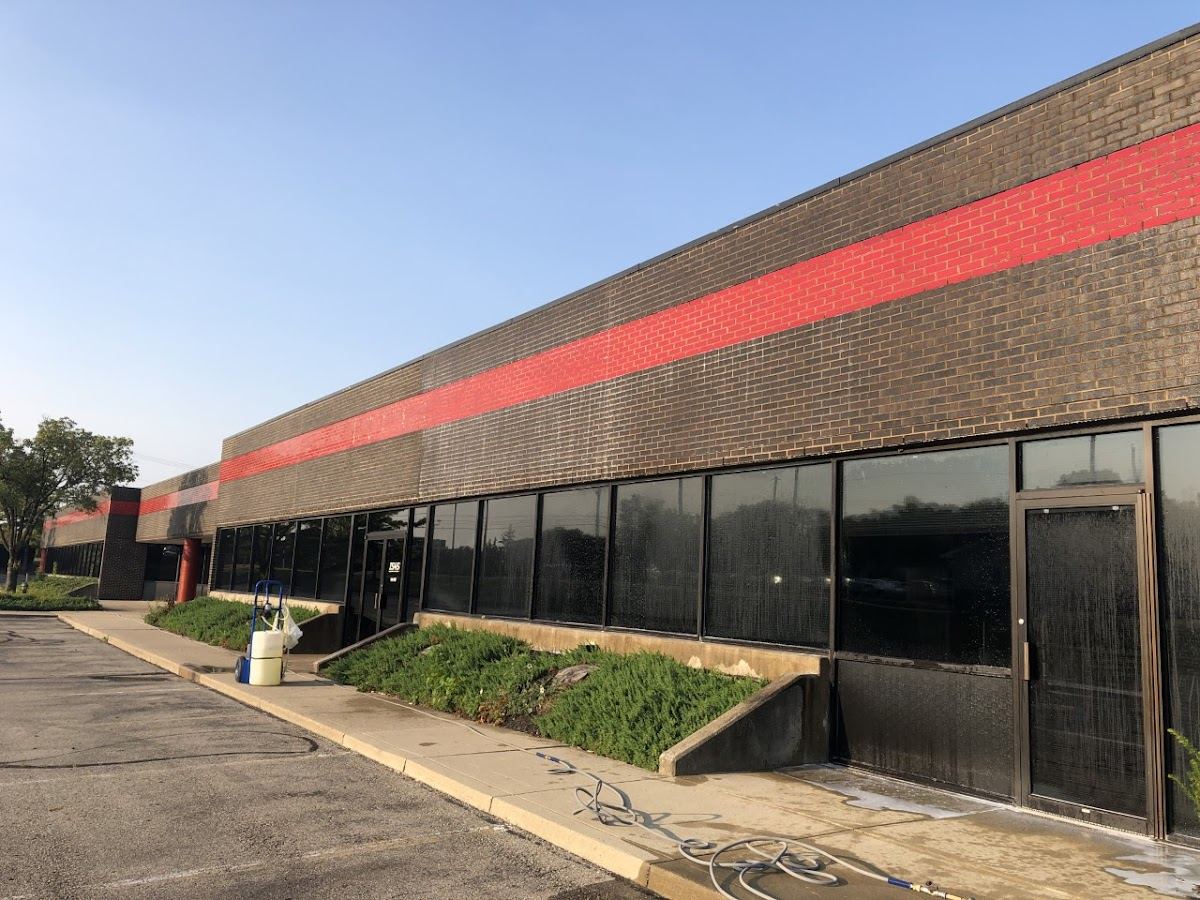
Commercial Service
Exterior Building Washing Services in Ohio
Multi-story commercial facades cleaned safely, top to bottom.
Exterior Building Washing in Ohio
From offices and retail plazas to apartments and warehouses, a clean building exterior tells customers and tenants you run a tight ship. We soft wash and pressure wash commercial facades of all kinds and heights, removing algae, dirt, and oxidation without damaging the building envelope.
The Problem
Commercial facades collect algae, dirt, and oxidation that make a building — and the business inside — look neglected.
Our Surface-Safe Approach
Soft washing for facades and panels, controlled pressure for hard surfaces, with the reach and insurance for multi-story work.
The Result
A clean, professional building exterior that protects your brand and your tenants.
Why choose Redhead for exterior building washing
- Soft-wash safe for facades and panels
- Handles multi-story commercial buildings
- Removes algae, dirt, and oxidation
- Licensed and insured for commercial scale
- Recurring maintenance plans available
Exterior Building Washing in Ohio
Your complete guide to exterior building washing in Ohio
Why Ohio Buildings Get Dirty Faster Than You'd Expect
Commercial buildings along the I-75 corridor face a rougher climate than most owners realize. Ohio gives us humid summers, wet springs, and a long freeze-thaw season that runs from late fall into March. That combination is exactly what exterior grime loves.
The dark streaks and green-black staining you see on north- and shade-facing walls aren't just dirt. They're living organisms. The black roof and wall streaks are colonies of Gloeocapsa magma, a hardy cyanobacteria that spreads on airborne spores and feeds on moisture and the mineral content in your building materials. Green film is algae. Fuzzy patches near downspouts and grade level are mold and mildew. Left alone, all three hold water against the surface, and in Ohio that trapped moisture freezes and thaws dozens of times each winter, working microscopic cracks wider.
Then there's everything the air deposits. Heavy spring pollen turns light-colored EIFS and painted block a dingy yellow-green. Diesel exhaust and road film settle on buildings near the highway and loading docks. Winter road salt gets tracked and splashed onto lower walls, entryways, and dock aprons, where it dries into a white haze and slowly eats at masonry and metal. None of this rinses off in the rain. It bonds to the surface and keeps building until it's cleaned off.
Soft Wash vs. High Pressure: Matching the Method to the Surface
The single most important decision on any building is how much pressure to use, and where. Most exterior walls should never see high pressure. Blasting a wall with a pressure washer drives water behind siding and flashing, etches soft masonry, cracks the acrylic finish on EIFS and stucco, and strips paint. It also does not kill the organisms causing the stain, so the algae and Gloeocapsa magma grow back within months.
The right approach for most vertical surfaces is soft washing. We apply a surface-safe cleaning solution at low pressure that kills algae, mold, and bacteria at the root, let it dwell so it does the work, then rinse clean. Because the solution does the cleaning, we don't need force, and the results last far longer because the biological growth is actually dead rather than just knocked back.
Different materials get different treatment, and a good crew adjusts as they move around the building:
- EIFS, stucco, and Dryvit — soft wash only; these finishes are thin and crack under pressure.
- Brick and stone — surface-safe low pressure with the right solution to lift efflorescence and biological staining without eroding mortar. This overlaps heavily with dedicated brick and stone cleaning.
- Vinyl and metal panel — soft wash to avoid driving water behind panels and to protect painted coatings.
- Concrete, block, and dock aprons — these can handle controlled higher pressure and surface cleaning for oil, salt, and tire marks.
- Glass, storefronts, and signage — low pressure and a careful rinse; see our storefront cleaning for entrances and window walls.
What a Professional Building Wash Actually Includes
A thorough exterior building wash is more than spraying the walls. When we quote a job, we walk the full envelope and account for every surface that shows to customers and everything that's quietly holding moisture or contaminants.
A complete wash typically covers the wall cladding on all elevations, soffits and fascia, gutters and downspouts, entry canopies and awnings, exterior signage and light fixtures, and the concrete at entrances, walkways, and dumpster pads. We treat and rinse the shaded elevations more aggressively because that's where organic growth concentrates.
Before anything gets wet, we protect the site. That means covering or cutting power to fixtures where needed, moving or shielding landscaping, closing rooftop and wall intakes where solution could be drawn in, and planning rinse water flow so it runs to appropriate drainage. We also time the work around your hours so a loading dock or storefront isn't blocked during business. This is the difference between a licensed and insured crew and someone with a rented machine — the prep and the cleanup are half the job. For multi-building sites, portfolios, and recurring service, this rolls into a broader commercial pressure washing program.
How to Tell Your Building Is Due for a Wash
By the time a building looks obviously dirty from the road, the growth has usually been established for a year or more. The earlier signs are easy to miss if you see the building every day. Watch for these:
- Dark vertical streaks running down from the roofline or gutters
- Green or gray film on north- and tree-shaded walls
- A dingy, chalky cast on painted block, EIFS, or stucco that no longer looks its original color
- Black spotting on soffits and under canopies
- White, powdery efflorescence or salt haze on brick and lower walls
- Slick, slippery concrete at shaded entrances — a real liability at a commercial door
- Cobwebs, wasp nests, and mud dauber build-up in corners and under eaves
Beyond appearance, there's a real reason not to wait. Algae and Gloeocapsa magma trap moisture and, on roofs, feed on the limestone filler in shingles and strip protective granules, shortening roof life. On walls, that same trapped moisture accelerates freeze-thaw damage. A clean building isn't only about looks — it protects the materials you already paid for.
How Often Should a Commercial Building Be Washed?
For most commercial buildings in the Dayton-to-Cincinnati region, a full exterior wash every 12 to 18 months keeps organic growth from ever getting a foothold. Buildings that are heavily shaded, sit near tree lines, or back up to fields tend to need it closer to annually. Sun-exposed buildings on open lots can often stretch toward two years.
Some situations call for their own schedule. Restaurants and any building with a drive-through, dumpster corral, or grease-handling area benefit from more frequent cleaning of the affected zones. Retail storefronts and medical offices — where first impressions matter most — often go on a set annual or semiannual rotation. Properties with strict tenant or HOA standards usually spell out a cadence in the lease.
Timing matters too. In Ohio, spring and fall are the sweet spots. A spring wash clears off the winter's road salt, mold, and grime and heads off the summer algae bloom. A fall wash removes the season's pollen and organic buildup before it sits under snow and ice all winter. We work year-round, but scheduling around a hard freeze protects both the finish and the results.
What Makes a Wash Last — and the DIY Mistakes That Ruin One
Two buildings washed on the same day can look completely different a year later. The difference is method. A wash lasts when the biological growth is actually killed at the root with the right cleaning solution and adequate dwell time — not just rinsed off. It fails fast when someone blasts the surface with plain water under high pressure, because the algae and Gloeocapsa magma are still alive and simply regrow.
The most common — and most expensive — DIY mistakes we get called to repair:
- Too much pressure on the wrong surface. A pressure washer will crack EIFS and stucco, gouge mortar joints, splinter wood trim, and etch soft brick. That damage is permanent and costs far more than the wash.
- Forcing water behind siding and flashing. Spraying up under lap siding or into weep holes drives water into the wall cavity, where it feeds mold and rots sheathing out of sight.
- Wrong solution, or the wrong strength. Too weak and the growth survives; too strong or misapplied and you burn landscaping, stain concrete, or streak the finish.
- No plant and drainage protection. Runoff kills shrubs and turf and can violate local rules if it reaches a storm drain untreated.
- Working at height off a ladder. Cleaning two- and three-story walls off an extension ladder is how people get badly hurt. Pros reach height from the ground with the right equipment.
Why It Pays to Hire a Licensed and Insured Local Pro
Exterior building washing looks simple from the sidewalk. In practice it takes reading each surface correctly, mixing and applying solution to the right strength, protecting people and property, and handling rinse water responsibly — all while working around your customers and your hours. Get any of that wrong on a commercial building and the repair bill dwarfs what the wash would have cost.
Redhead Pressure Cleaning is local and owner-operated, licensed and insured, and rated 5.0 stars across 55 Google reviews. We're based in Springboro and serve the I-75 corridor from Dayton to Cincinnati and across Ohio. We treat your property as our own — careful prep, the right method for every surface, and a clean result that actually holds up. Want to see a plan for your building? We'll walk the site and put together a free written estimate. Call or text (351) 242-0666 — serving Springboro and the surrounding region.
Real Jobs
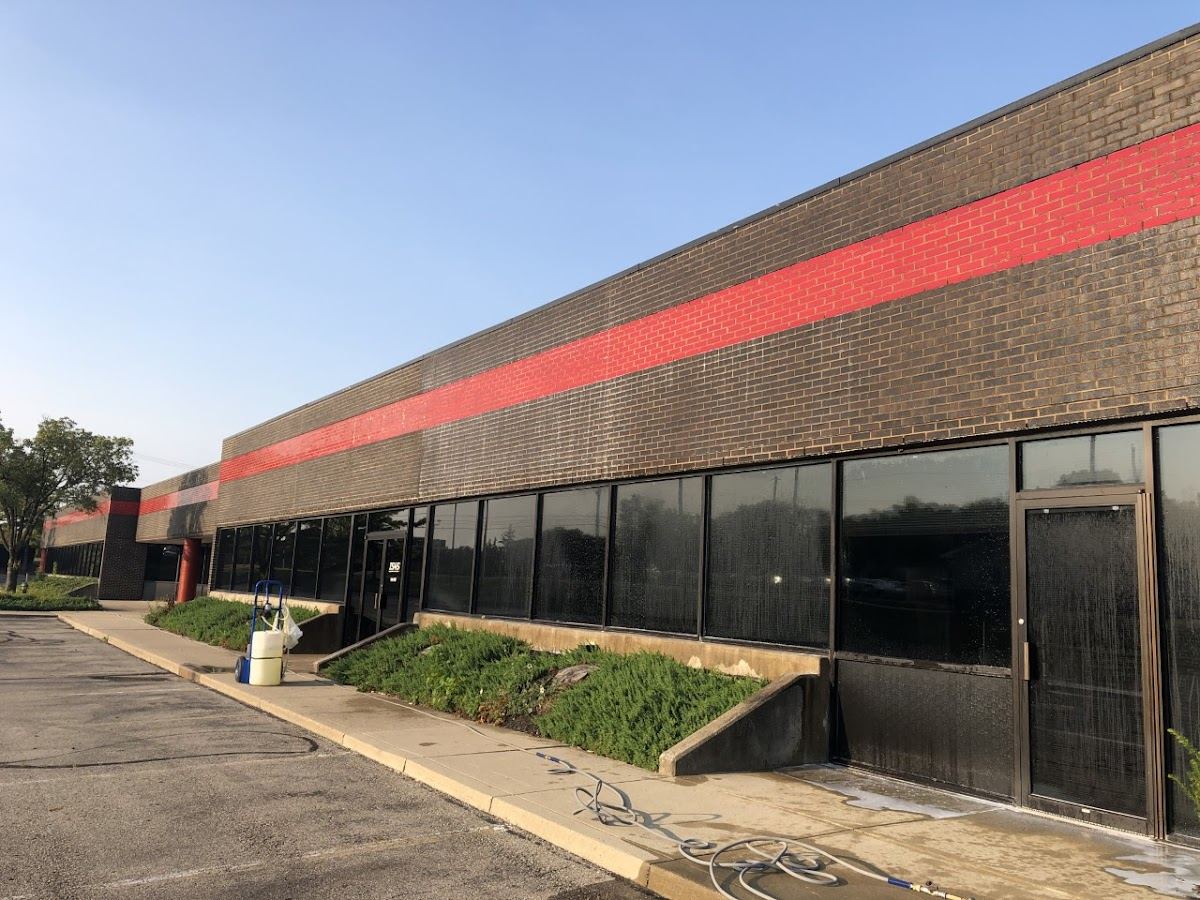
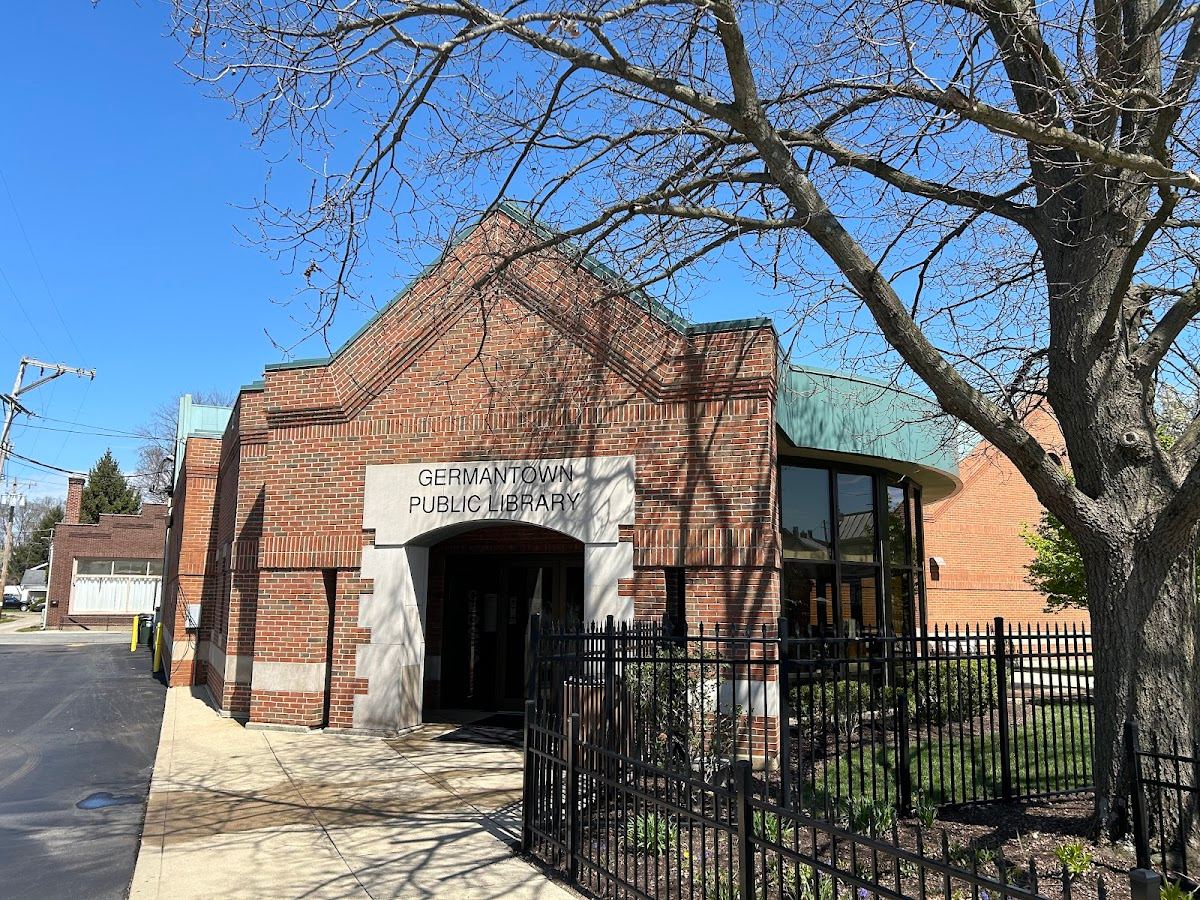
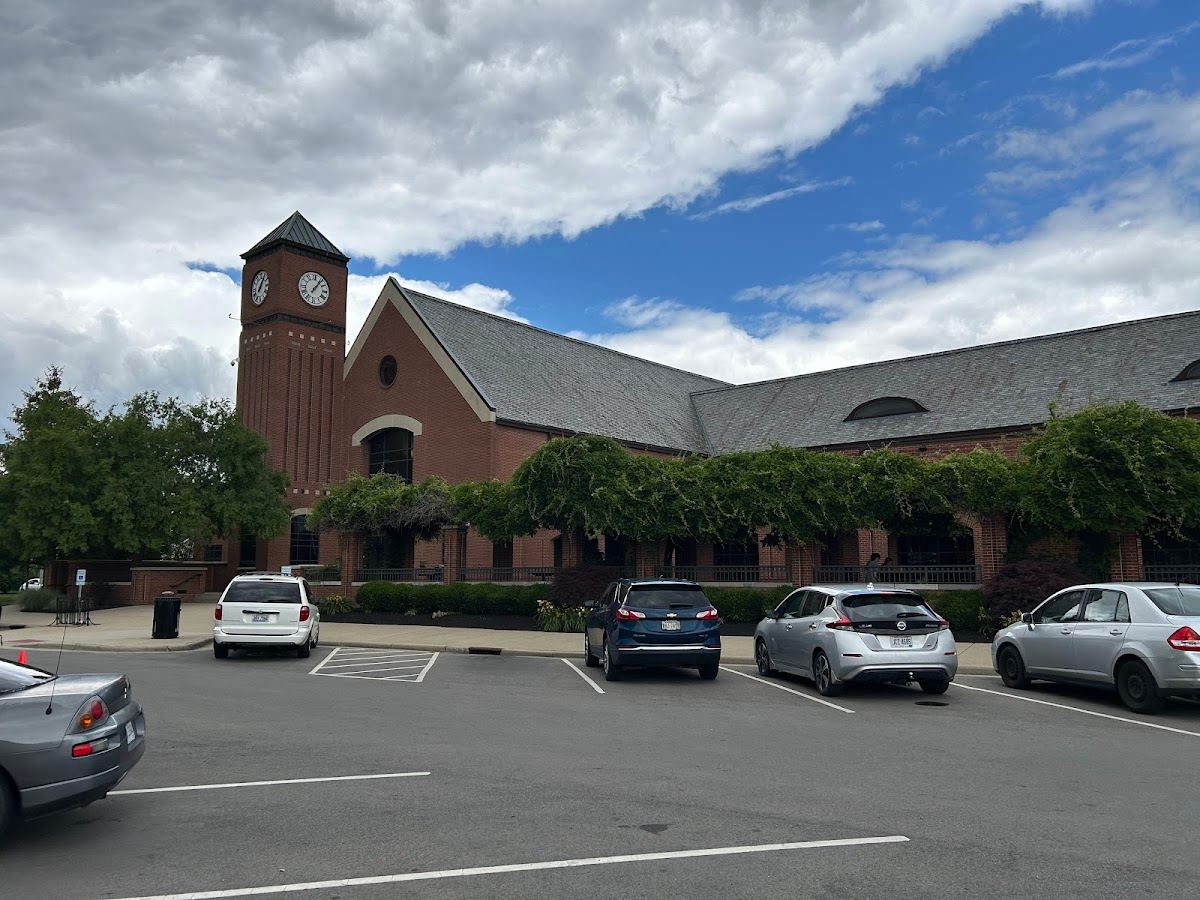
Exterior Building Washing — Recent Work
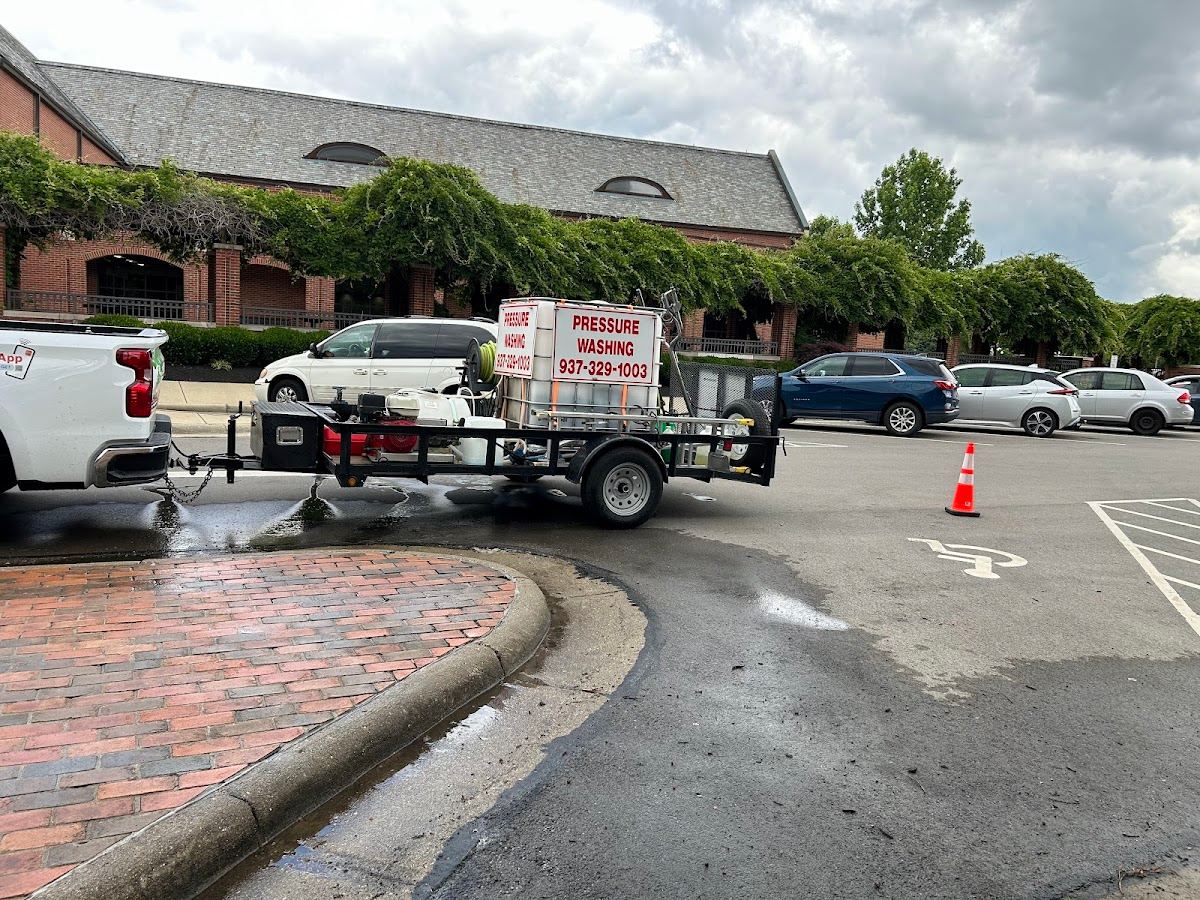
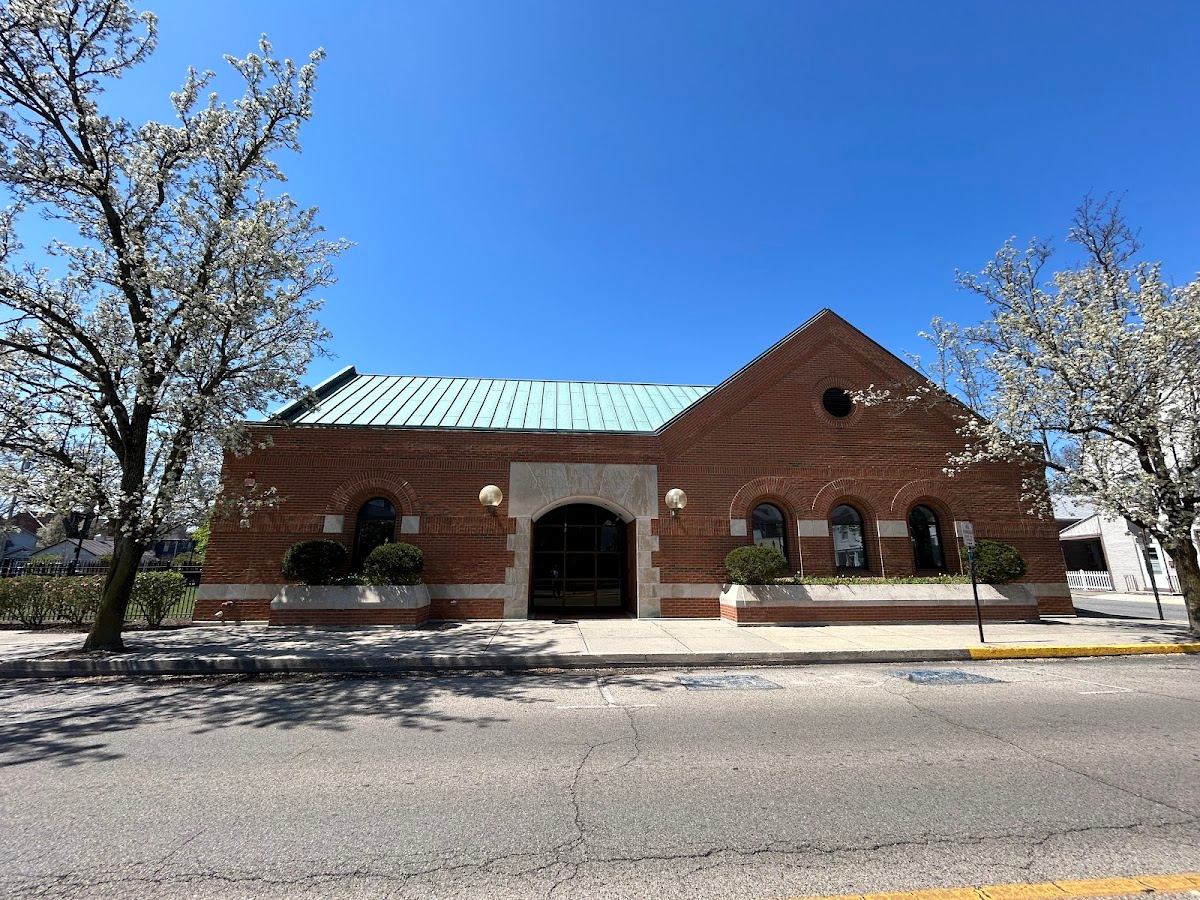
Real photos from Redhead Pressure Cleaning jobs across Ohio.
How It Works
Our Exterior Building Washing Process
- 1
Request a Free Estimate
Call or text us a quick description (a photo helps) and we send back a clear, no-obligation quote.
- 2
We Inspect the Surface
We look at the material, the buildup, and the surroundings to choose the safest, most effective method.
- 3
We Choose the Right Method
High pressure for hard surfaces, low-pressure soft washing for siding, roofs, and delicate materials.
- 4
We Wash Safely & Thoroughly
We protect landscaping, apply surface-safe cleaning solutions, and clean every section with care.
- 5
Final Walkthrough
We walk the finished work with you to make sure you're happy before we pack up.
Questions
Exterior Building Washing FAQs
Not when it's done right. Soft, painted finishes like EIFS, Dryvit, and stucco are cleaned with a surface-safe, low-pressure soft wash — never high pressure, which cracks and etches those coatings. We match the method to each surface so paint and finishes come clean without being stripped or damaged.
Almost never. We schedule around your hours and stage the work so entrances, storefronts, and loading docks stay usable. For sensitive areas or drive-throughs, we clean in sections or during off-peak times so operations keep moving.
Most single-building jobs are completed in a day. Larger multi-story or multi-building sites take longer. When we provide your free written estimate, we give you a realistic time window based on the square footage, height, surfaces, and how much organic growth has built up.
We protect plants and turf before we start — pre-wetting, covering, or rinsing as needed — and we plan rinse water flow to appropriate drainage. Responsible solution handling and site protection are exactly what separates a licensed and insured crew from a rented machine.
When growth is killed at the root with the right solution rather than just rinsed off, results last far longer — often a year or more. Buildings that are heavily shaded or near tree lines regrow faster, which is why we recommend a wash every 12 to 18 months to stay ahead of it.
Yes. Concrete, block, dock aprons, and dumpster corrals can take controlled surface cleaning that lifts oil, salt haze, tire marks, and grime. We often clean these along with the walls so the whole property looks consistent.
Soft washing uses a surface-safe cleaning solution at low pressure to kill algae, mold, and bacteria, then rinses clean — ideal for walls, siding, and delicate finishes. Higher-pressure surface cleaning is reserved for durable horizontal surfaces like concrete. Most building envelopes get soft washed; only the hardscape gets pressure.
Request a Free Estimate
Tell us about your exterior building washing job — a photo helps us quote fast.
Ready for Professional Exterior Building Washing?
Get a free, no-obligation estimate for exterior building washing anywhere in Springboro, the I-75 corridor, and across Ohio.