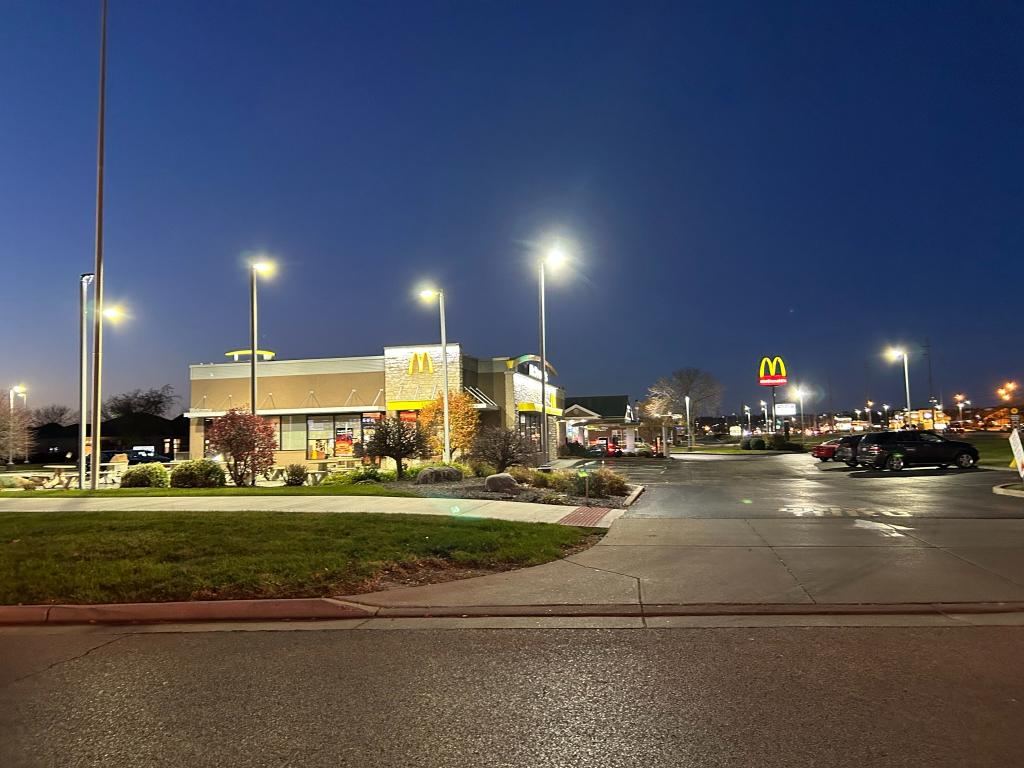
Commercial Service
Parking Lot Cleaning Services in Ohio
Cleaner, safer lots with brighter striping and fewer stains.
Parking Lot Cleaning in Ohio
A clean lot signals a well-run business before anyone reaches the door. We pressure wash and degrease commercial parking lots and garages, lifting oil, gum, and grime so your striping stands out and your customers and tenants feel the difference.
The Problem
Parking lots collect automotive fluids, gum, leaves, and grimy buildup that look neglected and obscure striping.
Our Surface-Safe Approach
High-volume surface cleaning and degreasing, scheduled after hours to keep traffic flowing.
The Result
A cleaner, safer lot with brighter striping and a sharper first impression.
Why choose Redhead for parking lot cleaning
- Removes oil, gum, and automotive fluids
- Brightens faded striping and surfaces
- After-hours scheduling, no downtime
- Safer, more professional appearance
- Recurring maintenance available
Parking Lot Cleaning in Ohio
Your complete guide to parking lot cleaning in Ohio
What Ohio's Climate Does to a Parking Lot
Your parking lot takes a beating from weather most people never think about. In the I-75 corridor between Dayton and Cincinnati, the ground goes through dozens of freeze-thaw cycles every winter. Water works its way into hairline cracks in asphalt and concrete, freezes overnight, expands, and pries the crack a little wider. Repeat that a few dozen times and small blemishes turn into potholes, spalled concrete, and crumbling edges. A clean, sealed surface sheds water. A dirty one holds it, and held water is what freeze-thaw feeds on.
Then there's the biological side. Ohio summers are humid, and shaded corners, curb lines, and north-facing concrete grow a mix of algae, mildew, and a hardy blue-green organism called Gloeocapsa magma. That's the same growth responsible for the black streaks on roofs, and it clings to porous concrete just as easily. It doesn't just look bad. Algae holds moisture against the surface and turns wet pavement into a slip hazard.
Layer on the seasonal grime: heavy spring pollen that yellows everything and feeds mold, summer tire rubber and traffic film, fall leaf tannin staining, and a winter's worth of road salt and de-icer residue tracked in from every vehicle. Road salt is the quiet killer. It's hygroscopic, meaning it pulls moisture out of the air and keeps concrete damp, accelerating scaling and rebar corrosion in any lot with reinforcement. A twice-a-year rinse-down isn't cosmetic maintenance. It's how you get salt, chlorides, and organic growth off the surface before they do structural work on your pavement.
How a Professional Parking Lot Cleaning Actually Works
A parking lot is not one surface with one problem, so the job runs in stages. First comes debris removal. Loose trash, gravel, leaves, and sediment get cleared before any water touches the lot, because pressure-washing over loose dirt just makes mud and pushes grit into the storm drain. On larger lots this is where mechanical sweeping earns its keep.
Next, targeted treatment. Oil drips under parking spaces, grease near loading zones, gum on walkways, and algae along the curb line each get a specific cleaning solution and dwell time. Petroleum stains need a degreaser that breaks the bond between oil and pavement; organic growth needs a treatment that kills at the root so it doesn't grey back in three weeks. Skipping the dwell step is the single most common reason a lot looks streaky when it dries.
Then the wash itself. Broad flatwork gets run with a surface cleaner, a rotating enclosed head that lays down even, overlapping passes so you don't get the zebra-striping you see on DIY jobs. Curbs, wheel stops, bollards, and building aprons get detailed by hand. Hot water is used where oil and grease are heavy, because heat lifts petroleum far better than cold pressure alone. Finally, the perimeter and any adjacent walkways get a rinse so the finished lot reads clean edge to edge.
Wastewater matters here too. Rinse water carries oil, chlorides, and cleaning solution, and letting it run straight into a storm drain can put a property out of step with local stormwater rules. A responsible crew controls, contains, or recovers that runoff. Our full commercial process is covered on our commercial pressure washing page.
Matching the Method to the Surface: Pressure vs. Soft Wash
The biggest mistake on a parking lot is treating every surface the same. Pressure and cleaning solution have to be matched to what you're standing on, or you trade dirt for damage.
- Asphalt. Asphalt is a petroleum binder holding aggregate together. Too much direct pressure strips that binder, loosens stone, and leaves a rough, raveling patch. Asphalt is cleaned with moderate pressure, wider fan tips, and more reliance on the cleaning solution to do the lifting.
- Concrete drive lanes and pads. Cured concrete tolerates more pressure and hot water, which is why it takes a surface cleaner well. But even here, standing the wand in one spot etches lines you can't undo.
- Painted lines and markings. Striping, handicap symbols, and fire-lane paint are surface coatings. Aggressive tips and hot water fade or lift them. We work around and across markings with technique that cleans the surface without erasing the paint you paid for.
- Concrete curbs, bollards, and building faces. These are soft-wash territory. A surface-safe, low-pressure application with the right solution kills algae and mildew and rinses clean, no gouging.
Heavy petroleum staining is its own discipline. Old, soaked-in oil often needs a dedicated poultice and re-treatment rather than a single pass, which is why we handle it separately under oil stain removal. And the grimiest square footage on most properties, the trash enclosure, gets its own treatment on our dumpster pad cleaning page.
Signs Your Lot Is Overdue for a Cleaning
Most property managers wait too long because the buildup happens gradually. Here's what tells you it's time, before a customer or an inspector notices first:
- Black or green streaking along curbs and shaded edges, or a general graying of the concrete. That's organic growth, and it spreads.
- Dark rings and stains under parking spaces and at the drive-through or loading zone. Fresh oil is easy; the longer it sits, the deeper it soaks.
- A visible traffic-lane discoloration where tire rubber and film have darkened the main path of travel.
- Slippery spots when wet, especially in low, shaded areas. Algae plus rain is a liability you can measure.
- White, crusty salt residue lingering into spring after a hard winter.
- A gum-spotted entrance or sidewalk, which is the first thing a walk-up customer looks down at.
A parking lot is the first and last thing every visitor experiences. If the entrance to your building reads as neglected, that impression carries inside no matter how sharp the interior looks. If you're seeing two or more of these signs, the lot is working against you.
How Often Parking Lots Should Be Cleaned in Ohio
There's no single answer, because a fast-food lot and a professional office park don't wear the same way. Frequency comes down to traffic, tenant mix, and how much tree cover and shade you have. As a practical guide:
- Restaurants, drive-throughs, and convenience stores: a full pressure wash a few times a year, with high-traffic zones and dumpster areas hit more often. Grease and food waste don't wait.
- Retail centers and shopping plazas: at least twice a year, timed to spring and fall, with spot treatment of oil and gum in between.
- Offices, medical, and light industrial: once or twice a year is usually enough for a clean, professional look.
Seasonal timing matters as much as frequency. A spring cleaning clears the winter's road salt, de-icer, and sand before that residue keeps grinding at the surface all summer. A fall cleaning strips leaf tannin, pollen buildup, and summer algae before the freeze-thaw season locks moisture into the pavement. Those two windows do the most to protect the surface and stretch the life of your sealcoat and striping. If your lot only gets cleaned once a year, spring is the visit that earns its money.
What Determines How Long the Results Last
Two lots cleaned on the same day can look very different six months later. A few things drive that:
- Surface condition and sealant. Sealed asphalt and well-cured concrete shed water and stains and stay clean longer. Cracked, unsealed, or spalling pavement soaks up everything and greys back faster.
- Shade and drainage. Standing water and permanent shade are algae's best friends. Lots that drain well and get sun hold their finish; low corners come back first.
- Traffic and use. A busy fast-food lane re-soils in weeks; a low-traffic office lot holds for months.
- Whether the growth was killed or just blasted off. This is the big one. Pressure alone knocks visible algae off the top but leaves the root, so it regrows fast. A proper surface-safe treatment kills it at the root and buys you far more clean time.
The takeaway: cleaning that pairs the right solution with the right technique doesn't just look better on day one, it stays looking good far longer, which is what actually lowers your cost per year.
Why DIY and Rock-Bottom Bids Cost More in the End
Renting a pressure washer and doing it yourself sounds like savings until you see the results. The damage we get called to fix follows a pattern. Someone runs a narrow, high-pressure tip too close to asphalt and strips the binder, leaving a rough, raveling scar. Someone else etches permanent wand lines into concrete, or fades the fire-lane and handicap striping the property is legally required to maintain. Cold water gets used on baked-in oil, so the stains never lift and the whole lot looks blotchy. And loose sediment gets flushed straight into the storm drain, which is exactly what stormwater regulations exist to prevent.
The cheapest bid often causes the same problems for a different reason: no dwell time, no hot water, no surface cleaner, no runoff control, and no insurance if something goes wrong on your property. When a low bidder damages your pavement or triggers a stormwater complaint, that's your liability, not theirs.
Hiring a licensed and insured local contractor matters because a parking lot is a shared, high-traffic surface with real safety and compliance stakes. It means the right method for each surface, proper handling of wastewater, and someone who stands behind the work. We're owner-operated, we know Ohio pavement, and we treat your property as our own.
Get a Free Estimate on Your Parking Lot
Whether you manage a single storefront lot or a multi-tenant plaza along the Springboro to Dayton corridor, we'll walk the property, look at your surfaces and problem areas, and put together a clear, no-pressure plan for keeping the lot clean year-round. We serve the I-75 corridor from Dayton to Cincinnati and beyond throughout Ohio. Estimates are free and in writing, so you know exactly what's included before we start. Call or text (351) 242-0666 today and let's get your parking lot looking the way it should.
Real Jobs
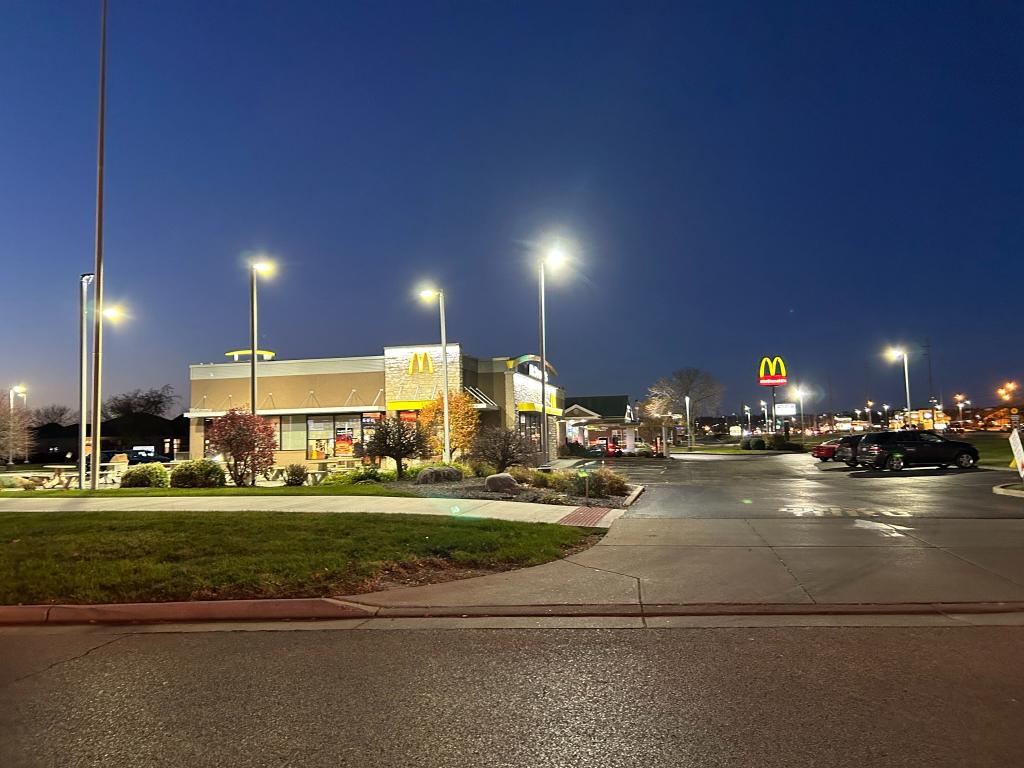
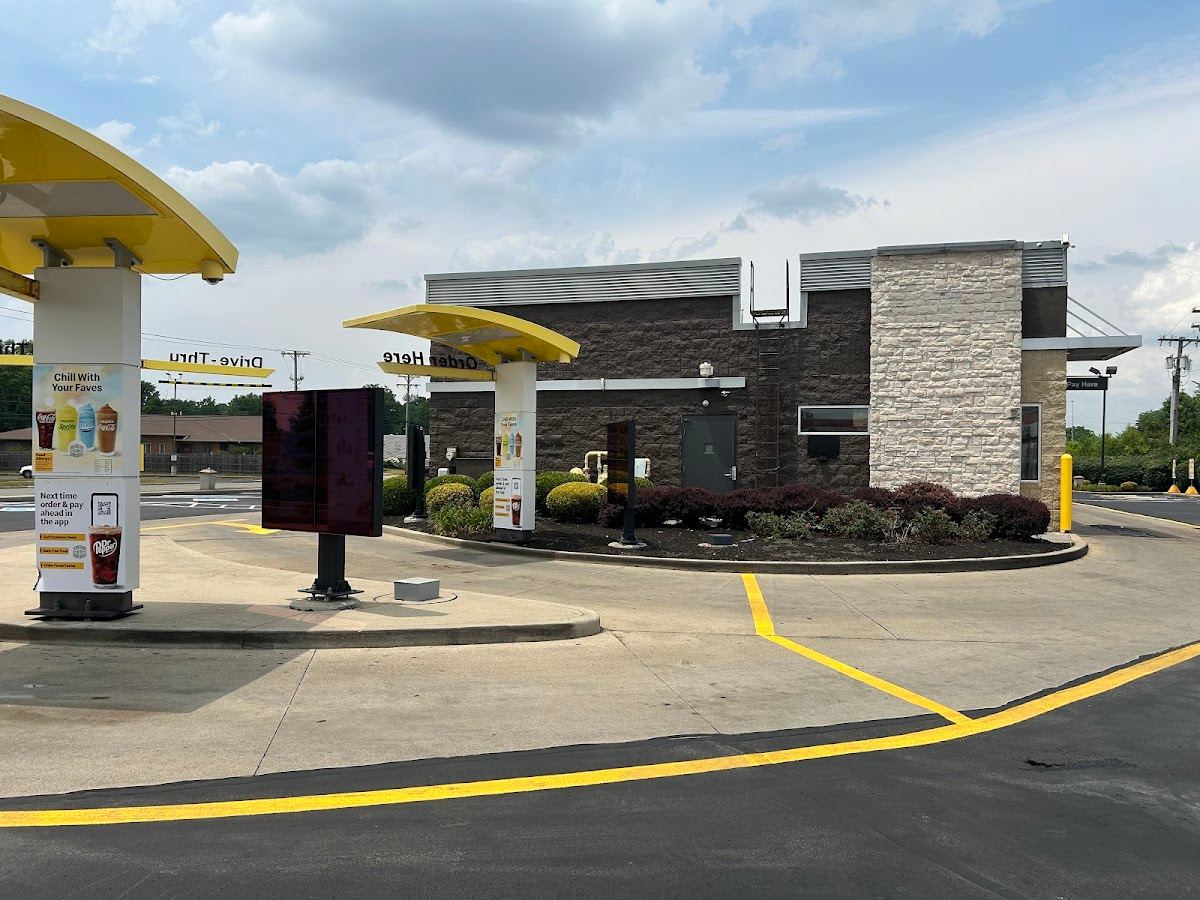
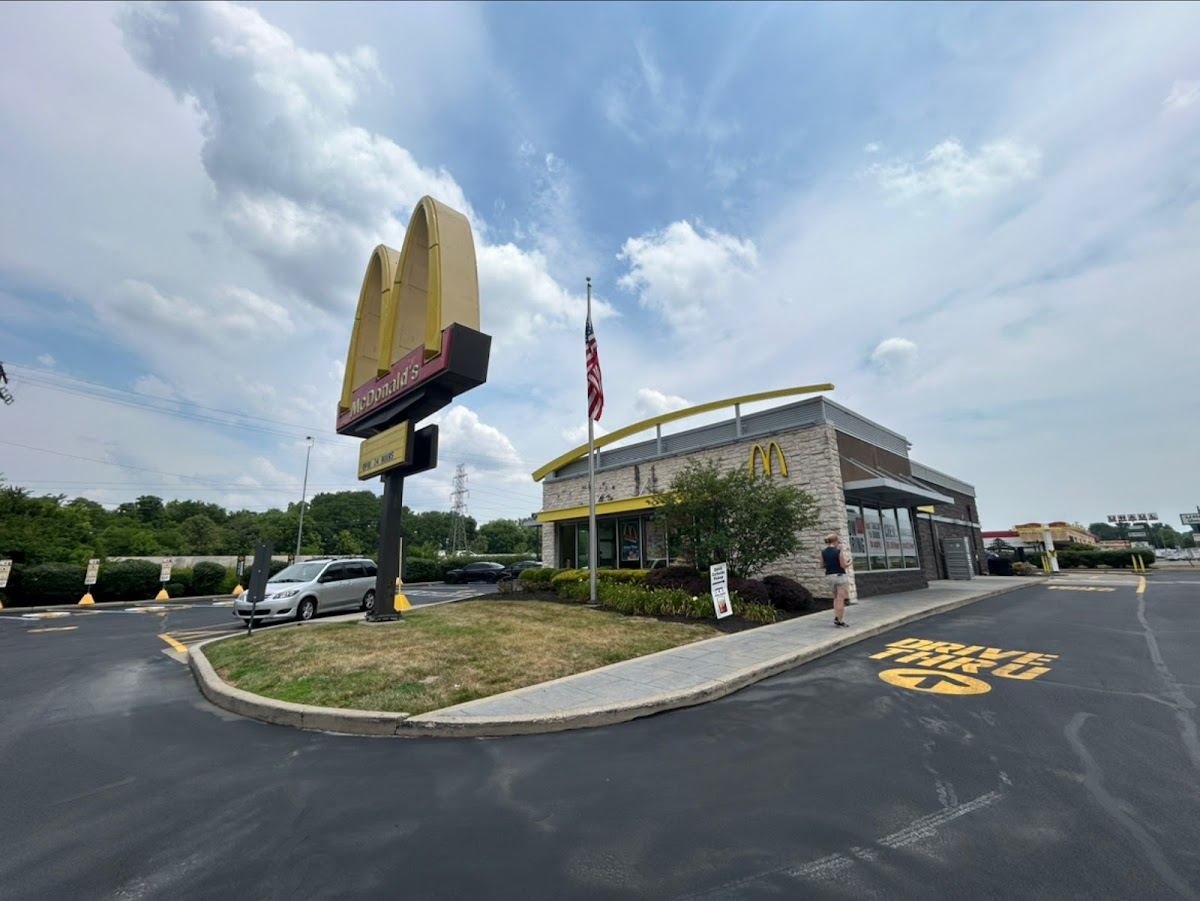
Parking Lot Cleaning — Recent Work
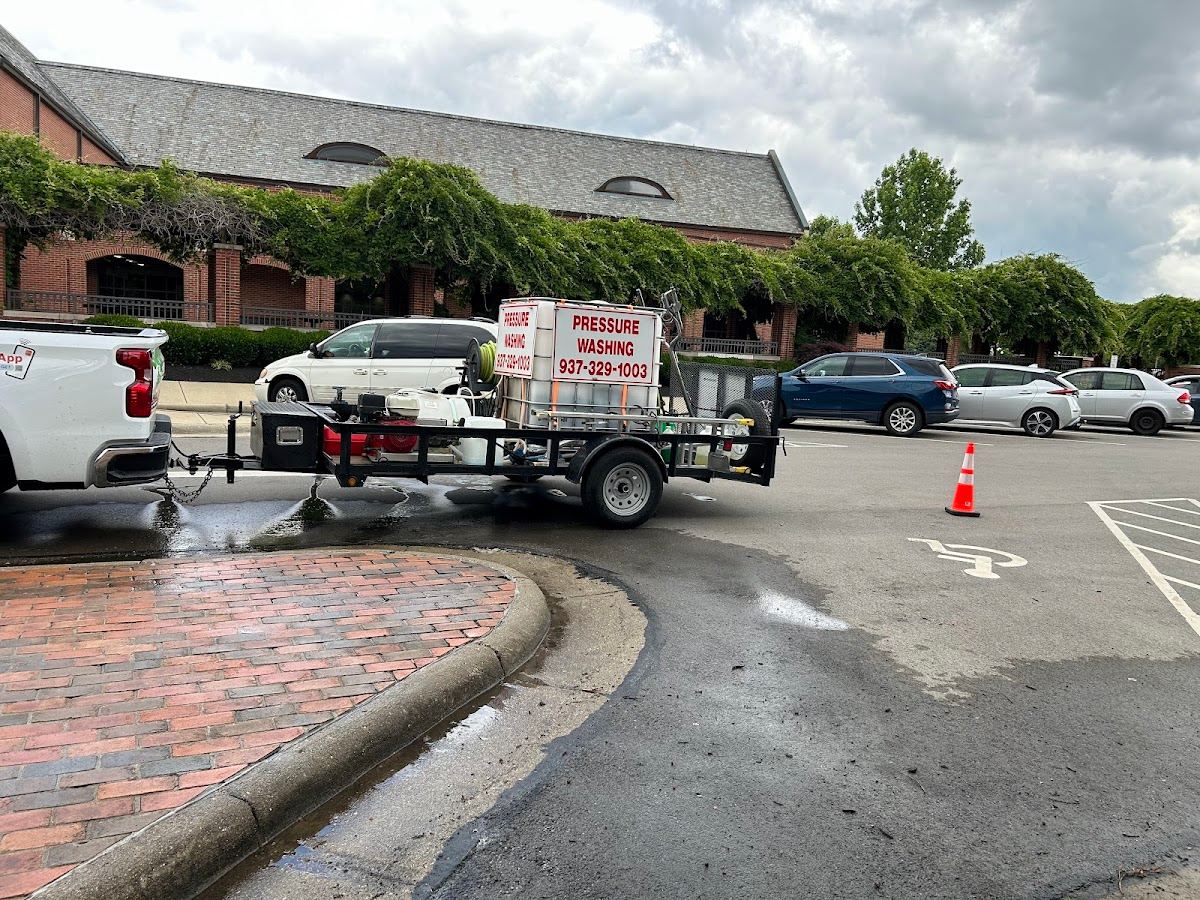
Real photos from Redhead Pressure Cleaning jobs across Ohio.
How It Works
Our Parking Lot Cleaning Process
- 1
Request a Free Estimate
Call or text us a quick description (a photo helps) and we send back a clear, no-obligation quote.
- 2
We Inspect the Surface
We look at the material, the buildup, and the surroundings to choose the safest, most effective method.
- 3
We Choose the Right Method
High pressure for hard surfaces, low-pressure soft washing for siding, roofs, and delicate materials.
- 4
We Wash Safely & Thoroughly
We protect landscaping, apply surface-safe cleaning solutions, and clean every section with care.
- 5
Final Walkthrough
We walk the finished work with you to make sure you're happy before we pack up.
Questions
Parking Lot Cleaning FAQs
Not when it's done right. Asphalt is cleaned with moderate pressure and wider tips so the binder that holds the stone together stays intact, and we work around striping and markings with technique that lifts dirt without stripping paint. The damage people worry about comes from narrow high-pressure tips held too close, which is exactly what a trained crew avoids.
Usually yes. We can section off the lot and work in phases, or schedule the wash for early mornings, evenings, or off-hours so your customers and tenants keep parking. For busy retail and restaurant lots, off-hours cleaning is often the easiest way to avoid disrupting traffic.
Most of them, yes. Fresh drips lift easily. Older stains that have soaked deep into porous asphalt or concrete need a dedicated degreaser, proper dwell time, hot water, and sometimes a second treatment or a poultice. Very old, deeply penetrated stains may lighten dramatically rather than vanish completely. We handle the toughest ones on our oil stain removal service.
It's controlled, not left to run wherever it wants. Rinse water carries oil, salt, and cleaning solution, and letting it flow into a storm drain can put a property out of step with local stormwater rules. A responsible crew contains, redirects, or recovers that runoff so the finished job is clean in every sense.
They do different jobs, and the best result usually uses both. Sweeping clears loose trash, sand, leaves, and sediment. Pressure washing removes the bonded grime sweeping can't touch: oil, gum, tire film, algae, and salt residue. On dirty lots we clear debris first so the wash lifts stains instead of making mud.
Spring and fall are the two high-value windows. A spring wash strips winter road salt, de-icer, and sand before that residue keeps working at the surface all summer. A fall wash clears leaf tannin, pollen, and algae before freeze-thaw season locks moisture into the pavement. If you only clean once a year, make it spring.
Because pressure alone only knocks the visible growth off the top and leaves the root behind, so it greys back in a matter of weeks. A surface-safe treatment with the right cleaning solution kills algae and mildew at the root, which is what actually buys you months of clean surface instead of days.
We're based in the Springboro and Franklin Township area and serve the full I-75 corridor between Dayton and Cincinnati, plus Centerville and communities statewide across Ohio. If you're not sure whether you're in our range, just call or text and we'll let you know.
Request a Free Estimate
Tell us about your parking lot cleaning job — a photo helps us quote fast.
Ready for Professional Parking Lot Cleaning?
Get a free, no-obligation estimate for parking lot cleaning anywhere in Springboro, the I-75 corridor, and across Ohio.