Commercial Service
Commercial Pressure Washing Services in Ohio
Clean storefronts, walkways, and lots that protect your brand.
Commercial Pressure Washing in Ohio
Your building is the first impression every customer gets. Grimy walkways, gum-stained entrances, and dingy facades quietly cost you business. Redhead Pressure Cleaning keeps Ohio commercial properties clean and professional, with flexible after-hours scheduling so we never disrupt your operation.
The Problem
Storefronts, walkways, and lots accumulate grime, gum, and oil that drive away customers and fail property standards.
Our Surface-Safe Approach
Flexible after-hours and weekend scheduling, high-volume equipment, surface-safe methods, and full insurance.
The Result
A clean, professional first impression that keeps customers and tenants happy.
Why choose Redhead for commercial pressure washing
- Flexible after-hours and weekend scheduling
- Licensed and insured for commercial work
- One vendor for the whole property
- Recurring maintenance plans available
- Protects your brand and meets property standards
Commercial Pressure Washing in Ohio
Your complete guide to commercial pressure washing in Ohio
Why Ohio's Climate Is Hard on Commercial Buildings
Commercial buildings in the Miami Valley take a beating that most owners never think about until the grime is impossible to ignore. Ohio sits in a humid climate with long, wet shoulder seasons, and that moisture feeds biological growth on any surface that stays damp. The black streaks running down a north-facing wall or the dark staining on a flat roof line are usually Gloeocapsa magma, a hardy algae that spreads by airborne spores and clings to porous masonry, EIFS, and dryvit. Green and gray patches are typically mildew and lichen. None of it is just cosmetic. These organisms hold moisture against the wall, and moisture is what shortens the life of a facade.
Then there's the freeze-thaw cycle. Water soaks into concrete, brick, mortar joints, and hairline cracks, freezes overnight, expands, and pries the material apart a little more each time. Along the I-75 corridor from Dayton to Cincinnati, road salt and de-icing brine get tracked onto entryways, loading docks, and lower walls all winter, and salt is corrosive to concrete and metal. Add spring pollen that yellows every horizontal surface, diesel soot and road film near busy frontage, and the slow gray haze of atmospheric dirt, and you have a building that looks tired long before it should. Regular commercial pressure washing removes the buildup that traps moisture and accelerates wear, so the structure you already paid for keeps working and keeps looking maintained.
Soft Wash or High Pressure: Matching the Method to the Surface
The single biggest mistake in commercial cleaning is treating every surface the same. A good crew reads the material first, then chooses pressure and cleaning solution to match. That is the whole game.
Surfaces that need soft washing. EIFS and synthetic stucco, painted block, vinyl and metal panel, wood, and most upper-wall facade materials should never see high pressure. These surfaces are either coated, absorbent, or thin enough that a concentrated stream can crack, gouge, or drive water behind the finish. Instead we use a soft-wash approach: low pressure paired with a surface-safe cleaning solution that does the actual work. The solution kills algae, mold, and mildew at the root rather than just blasting the visible layer off the top. That distinction matters because pressure alone leaves spores behind, and the growth returns within weeks. Killed at the root, it stays gone far longer.
Surfaces that tolerate real pressure. Poured concrete, sidewalks, brick, and durable masonry can take higher pressure with the right nozzle, tip angle, and distance. Even here, technique protects the building. Mortar joints, tuckpointing, and older brick get a lighter touch so we don't wash out the joint. Flatwork like walkways and entry aprons gets surface-cleaner attachments that spin water evenly and avoid the zebra-striping you get from a careless wand. The point is not maximum force. The point is the right force for that exact material, which is why we lead with a surface-safe, soft-wash mindset and only step up pressure where it belongs. Storefront glass, signage, and finished entrances that customers see up close get careful attention as part of a broader storefront cleaning pass.
What a Commercial Cleaning Visit Actually Covers
Commercial pressure washing is rarely one surface. A retail center, office park, medical building, restaurant, or industrial site is a collection of different materials that each need a plan. Here is what a thorough commercial scope typically includes, and how the pieces fit together.
- Building exterior and facade. The walls, soffits, gutters, entryway columns, and canopy underside. This is where algae streaks and atmospheric grime show worst, and it usually calls for soft washing. See our dedicated exterior building washing service for the full walk-through.
- Flat concrete and walkways. Sidewalks, entry pads, breezeways, and patios collect gum, spills, salt residue, and foot-traffic grime that dulls the whole property.
- Parking areas and drive lanes. Oil spots, tire marks, and settled road film across the lot are a large share of first impressions. Our parking lot cleaning service handles the broad flatwork and problem stains.
- Dumpster corrals and back-of-house. These areas hold odor, grease, and bacteria that draw pests and generate complaints. A targeted dumpster pad cleaning keeps the worst zone of the property under control.
- Entrances and touchpoints. Glass, frames, and thresholds that every customer passes through.
Before any water hits the building, we protect landscaping, cover or reroute around sensitive fixtures and electrical, and account for where wash water goes so we stay responsible about runoff. On sites with height or limited access, we plan safe reach rather than overreaching from a ladder. The goal is a clean property, not a cleaned wall next to a trampled flowerbed.
Signs Your Property Is Overdue
Owners and property managers usually feel that a building looks off before they can name why. Here is what to actually look for, so you can catch it while it's still a cleaning job and not a repair job.
- Dark vertical streaks running down the walls, especially on shaded or north-facing sides. That's algae, and it spreads.
- Green or gray film on concrete, north walls, and shaded walkways, which gets slick and turns into a slip-and-fall liability.
- A general gray dullness across the whole facade, the kind you only notice when a freshly cleaned section sits next to it.
- White, chalky salt residue on lower walls and entry concrete after winter.
- Black gum, oil spots, and tire marks on walkways and in the lot.
- Rust runs or efflorescence bleeding from fasteners, downspouts, or masonry.
- Odor and grease buildup around dumpsters, drive-throughs, and back entrances.
Slip hazards and biological growth are the two that shouldn't wait. Both are safety and liability issues, not just appearance. If you're seeing more than one of these, the property is past due, and free written estimates make it easy to find out what it will take.
How Often Commercial Properties Should Be Cleaned
There's no single answer, because frequency depends on what the building is made of, how much traffic it sees, how it's shaded, and how visible it is to customers. That said, most Ohio commercial properties land on a predictable rhythm.
A general baseline is a full exterior cleaning once or twice a year for building facades, with high-visibility flatwork and entrances handled more often. Customer-facing retail and restaurants usually benefit from quarterly attention to storefronts, walkways, and dumpster areas, because those spots stain fast and reflect directly on the brand. Heavily shaded buildings and anything near mature trees or standing moisture may need the facade cleaned more frequently, since those conditions grow algae quickly. Industrial and high-traffic sites with oil, grease, and dust often run on a more aggressive schedule for concrete and back-of-house zones.
Seasonal timing matters too. Spring is the natural reset after winter salt, sand, and the first pollen bloom. Fall knocks down a season's worth of algae and organic buildup before it sits under snow. Ohio's freeze-thaw makes late-fall cleaning genuinely useful: removing moisture-holding grime before the deep cold reduces how much water freezes inside the surface. Setting up a recurring schedule almost always costs less per visit than sporadic one-off deep cleans, because the buildup never gets a chance to become a hard, stubborn problem. Regular maintenance is cheaper than restoration, every time.
What Makes the Results Last
Two buildings cleaned the same week can look completely different six months later. The difference is rarely the equipment. It's the approach.
Killing growth at the root. When algae and mold are treated with the right cleaning solution instead of just pressure, the organism dies rather than getting knocked back. Surface-only blasting leaves living spores in the pores of the material, and they bloom again fast. Root-level treatment is the single biggest factor in how long a facade stays clean.
Correct dwell time and dilution. Cleaning solution needs the right concentration and enough time to work before rinsing. Rush it, and you either leave growth behind or overuse product. Get it right, and one careful pass outperforms three aggressive ones.
Site conditions. Shade, tree cover, roof runoff, sprinkler overspray, and drainage all shorten how long a surface stays clean. We can't move your trees, but we can flag the conditions driving regrowth and time your schedule around them.
Consistency. A property on a regular rotation never lets buildup harden into the kind of deep staining that fights back. The first cleaning of a long-neglected building is always the hardest and the most involved. Every one after that is easier, faster, and keeps the surface in better shape overall.
Why DIY and Low-Bid Crews Cost More in the End
Renting a pressure washer looks like a way to save money on a commercial building. It usually isn't, and here's why the damage is so common.
Too much pressure on the wrong surface. A rented machine at full force will etch concrete, gouge wood, crack EIFS and stucco, strip paint, and blow out mortar joints. Those aren't cleaning results. Those are repair bills, and EIFS repairs in particular run high because water driven behind the finish rots what's underneath.
Water where it shouldn't go. Aim a stream upward under siding, into weep holes, around window frames, or at soffit vents, and you push water into the wall assembly. That leads to interior leaks, mold inside the wall, and damage nobody sees until it's expensive.
Pressure without cleaning solution. Blasting algae off looks clean for a few weeks, then it comes right back because the spores were never killed. The job gets redone, and the surface gets worn down twice.
Safety and liability. Commercial work means height, ladders, electrical, slick surfaces, and public foot traffic. That's exactly where an unlicensed, uninsured crew becomes your problem instead of theirs. Hiring a licensed and insured local company means the risk sits with the contractor, not with your business. It means someone who reads surfaces before applying pressure, matches method to material, and treats your property as our own. In and around Springboro and across the Dayton area, that experience is the difference between a building that gets cleaned and one that gets damaged.
Get a Free Estimate for Your Property
Every commercial site is different, so the right first step is a look at yours. Redhead Pressure Cleaning is local, owner-operated, and licensed and insured, and we serve businesses along the I-75 corridor from Dayton down to Cincinnati and across Ohio. We'll walk your property, match the method to each surface, and give you a clear, free written estimate with no pressure and no sales games. Whether it's a single facade cleaning or a recurring maintenance schedule for a whole retail center, we treat your property as our own. Call or text (351) 242-0666 to set up your free estimate.
Real Jobs
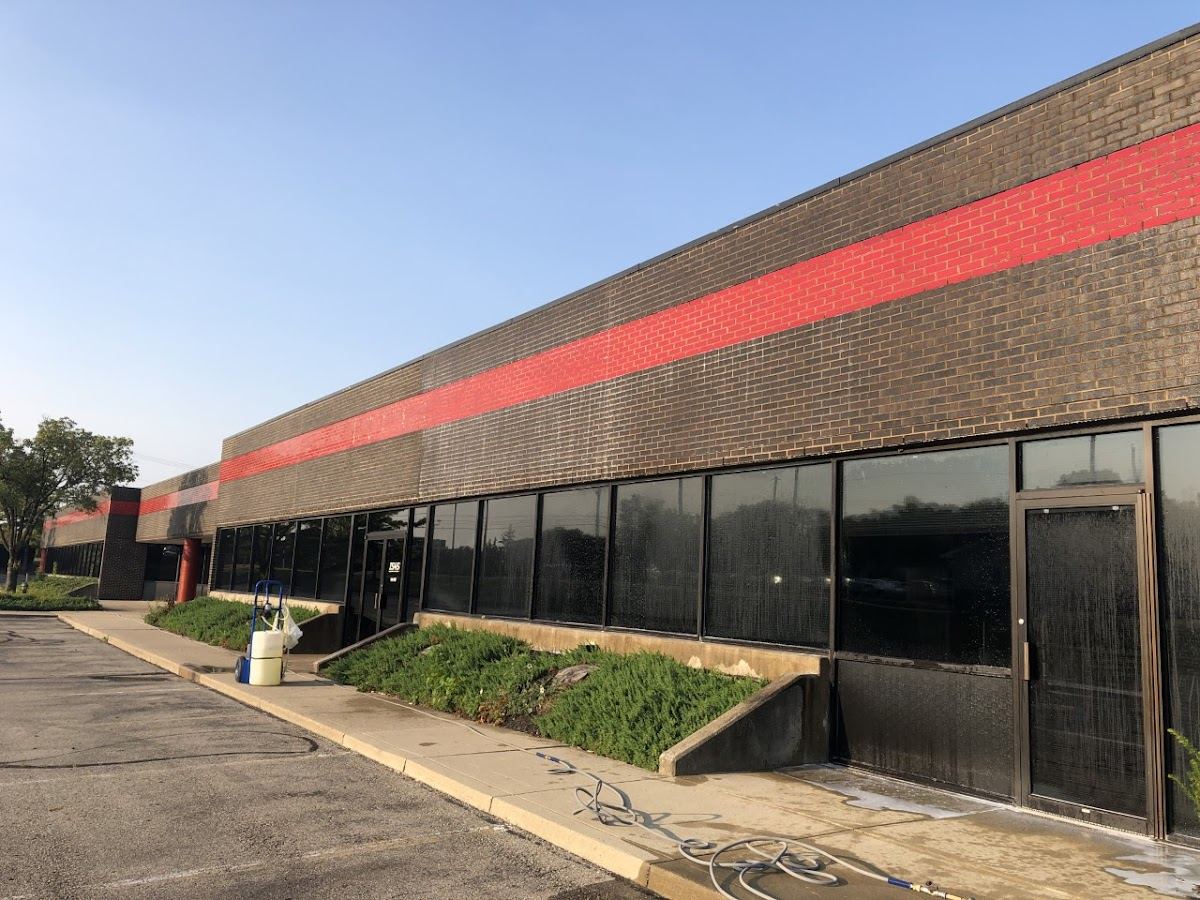
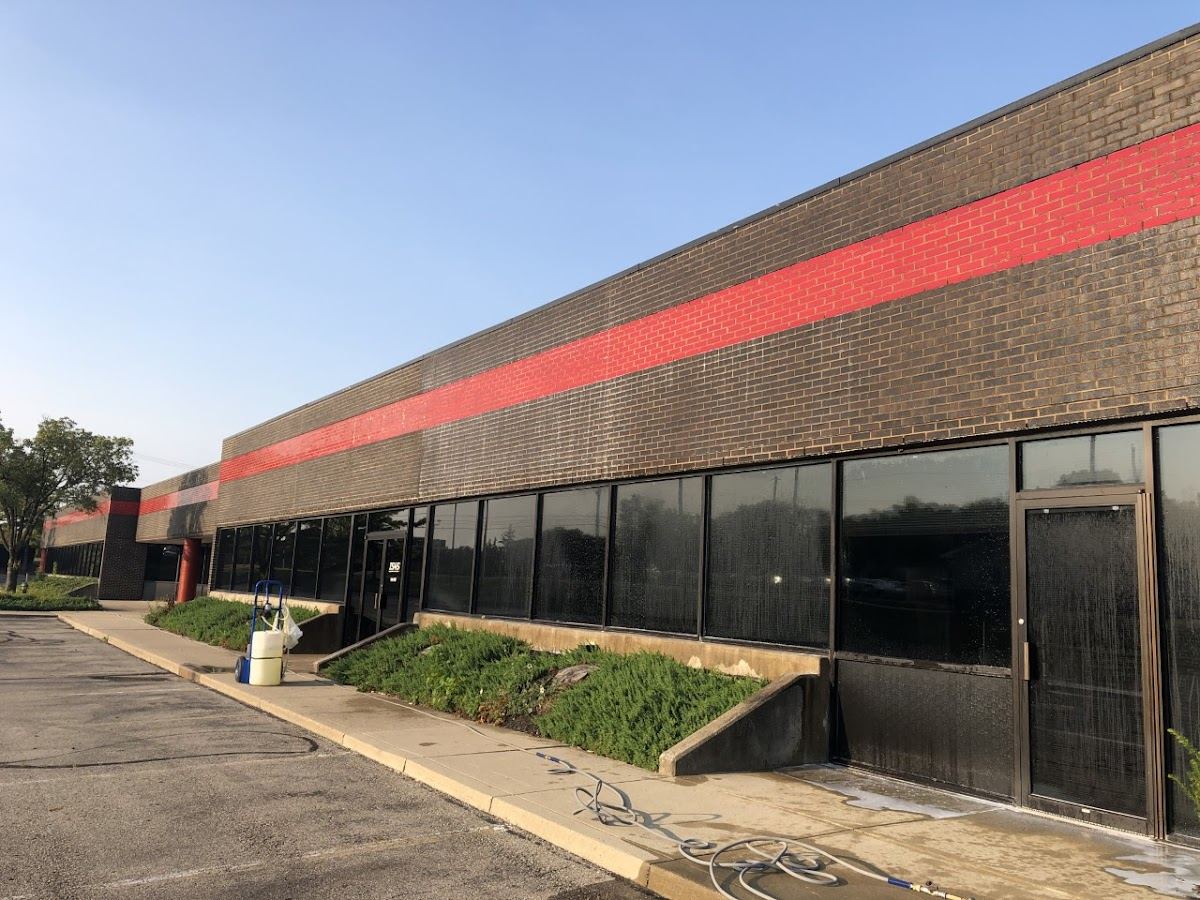
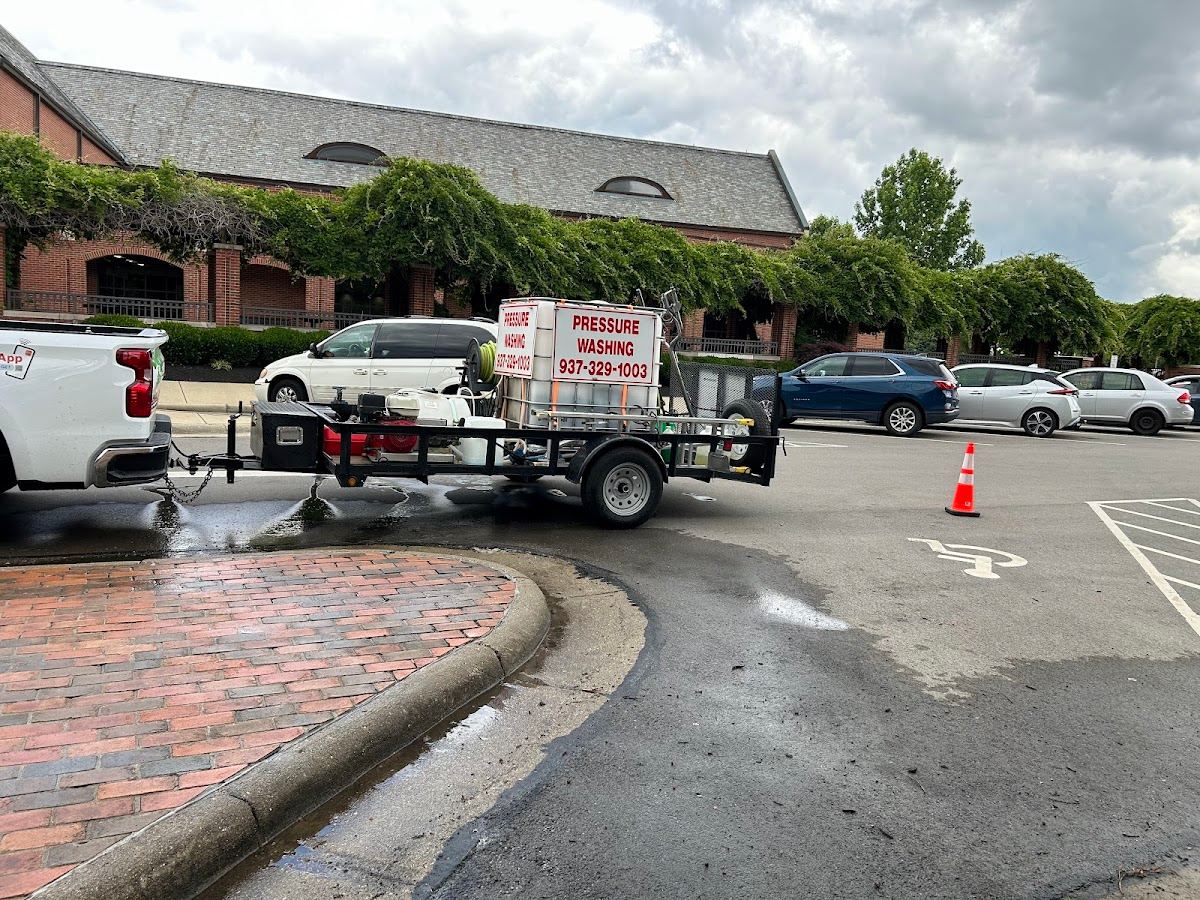
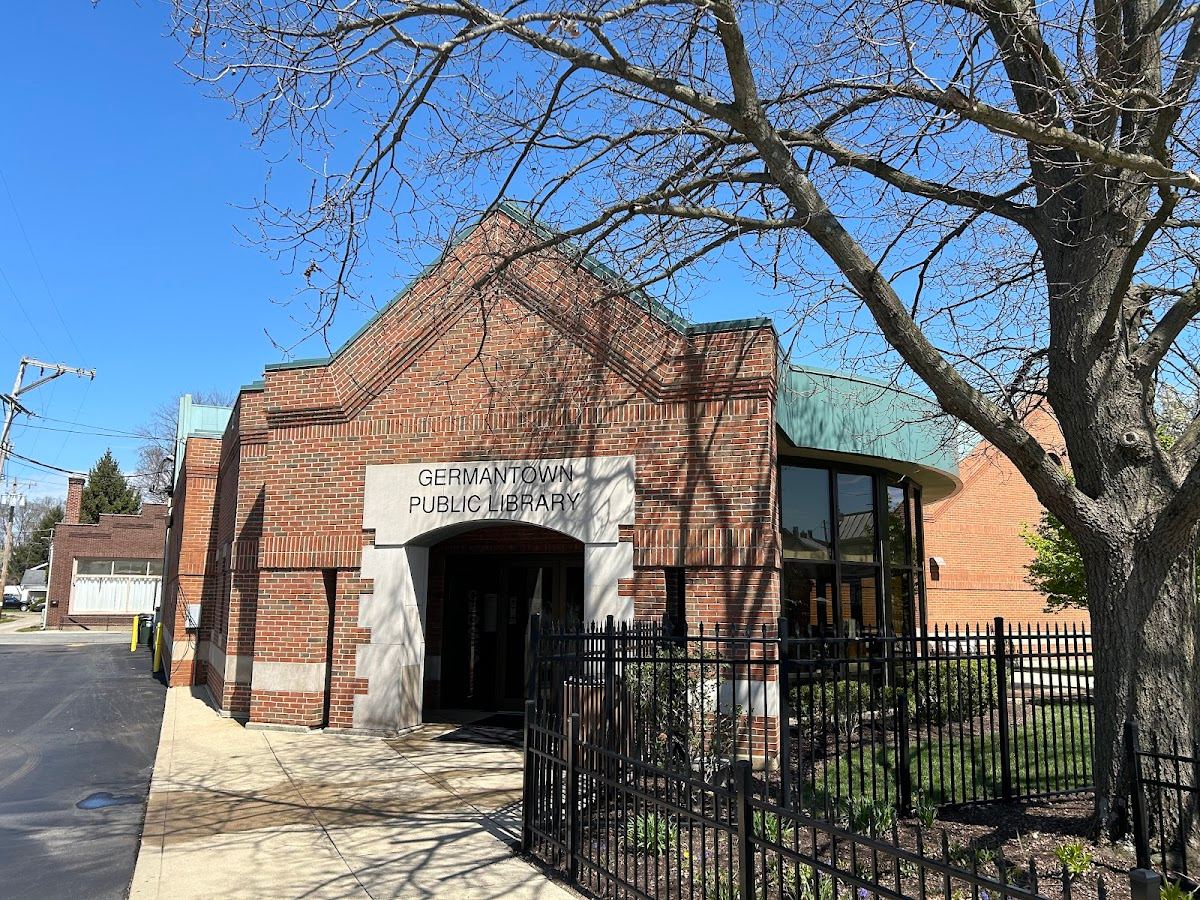
Commercial Pressure Washing — Recent Work
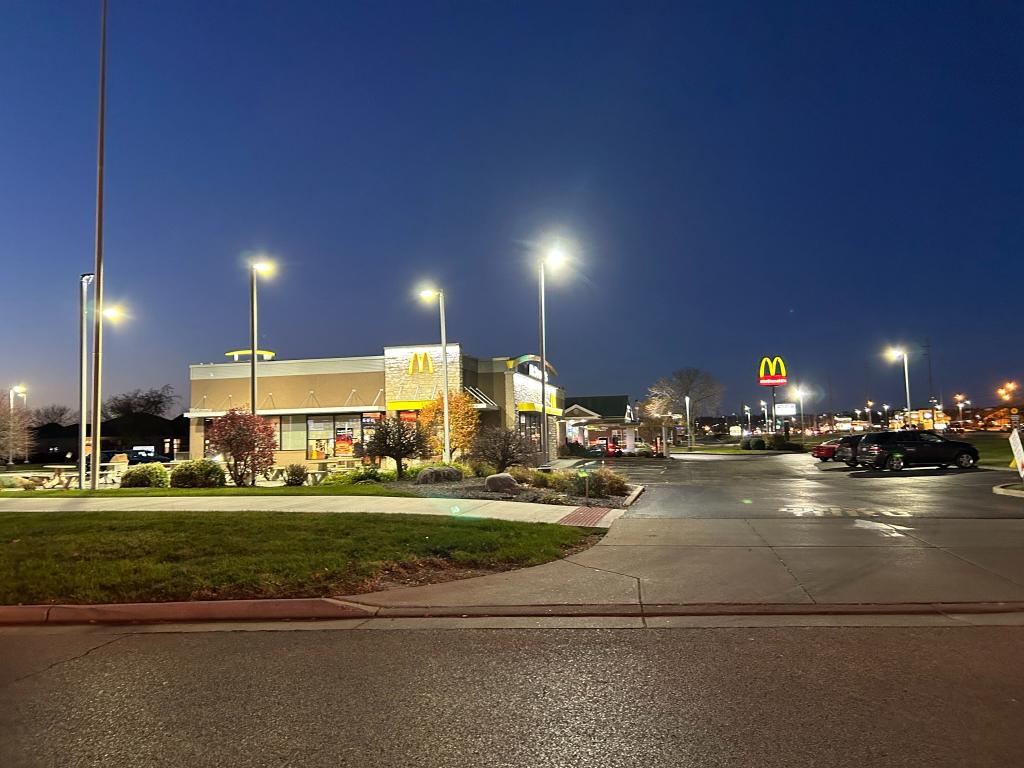
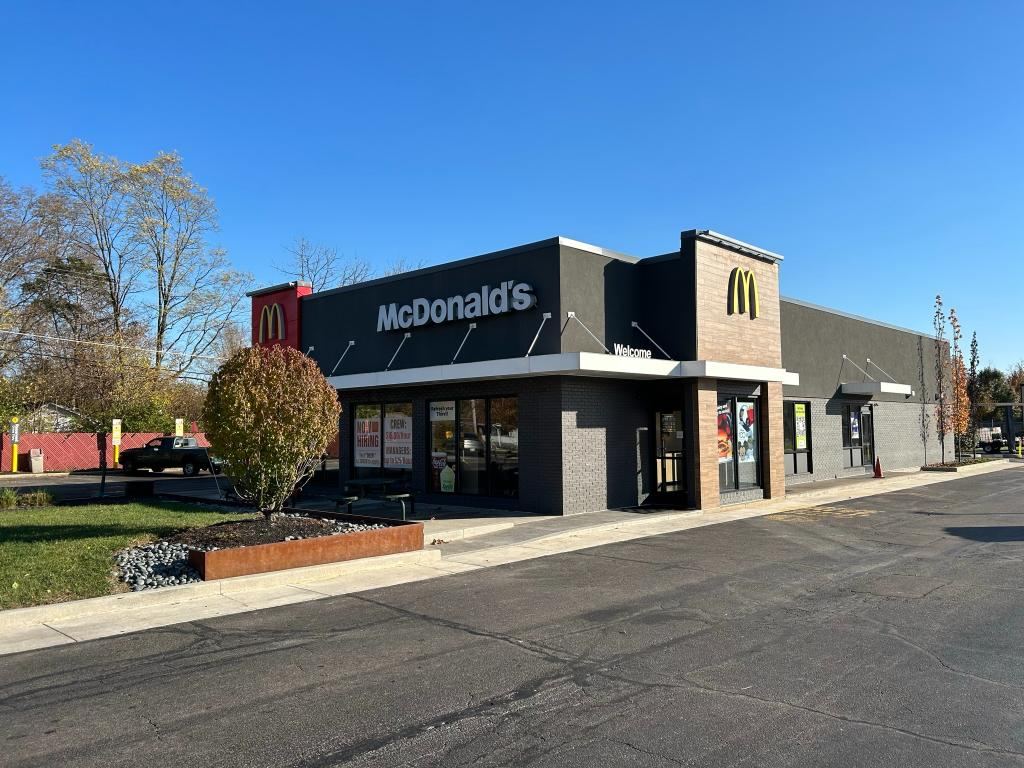
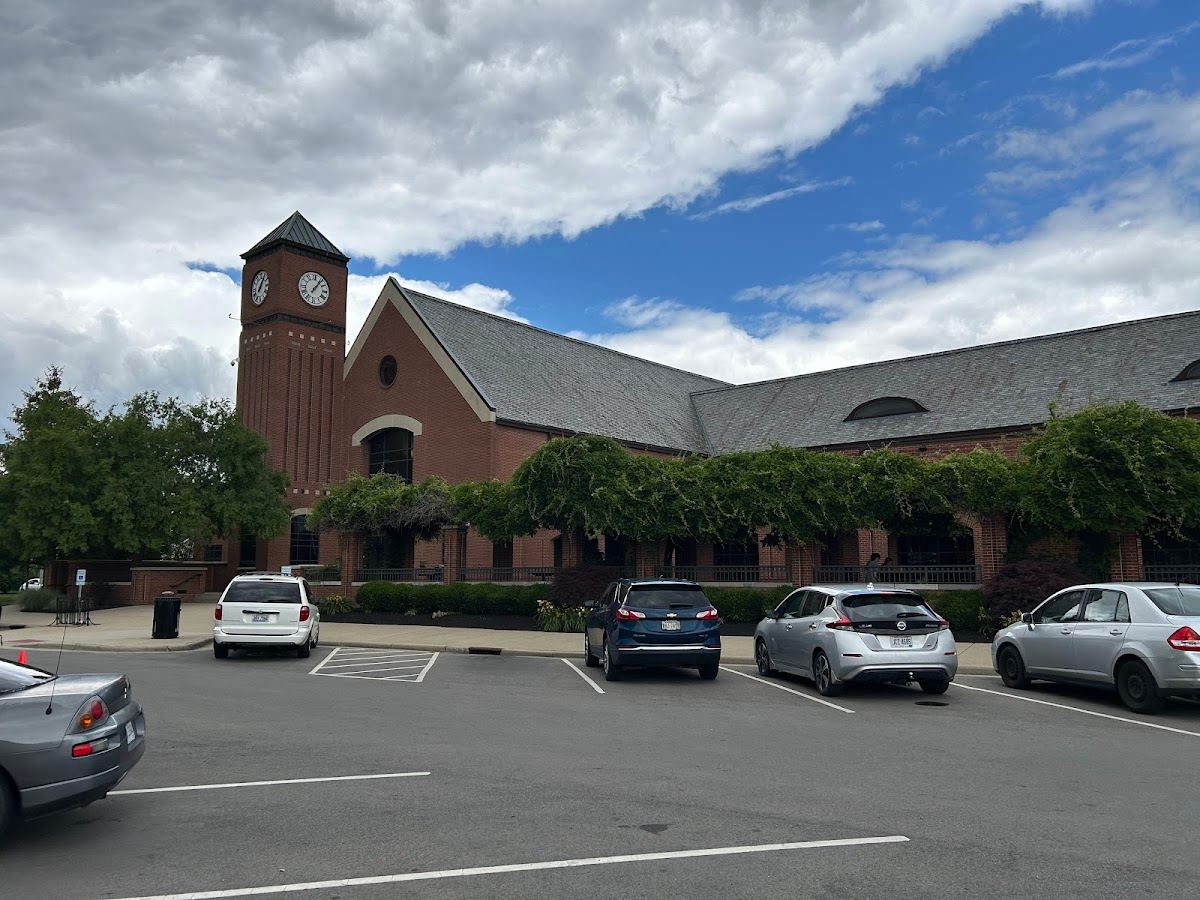
Real photos from Redhead Pressure Cleaning jobs across Ohio.
How It Works
Our Commercial Pressure Washing Process
- 1
Request a Free Estimate
Call or text us a quick description (a photo helps) and we send back a clear, no-obligation quote.
- 2
We Inspect the Surface
We look at the material, the buildup, and the surroundings to choose the safest, most effective method.
- 3
We Choose the Right Method
High pressure for hard surfaces, low-pressure soft washing for siding, roofs, and delicate materials.
- 4
We Wash Safely & Thoroughly
We protect landscaping, apply surface-safe cleaning solutions, and clean every section with care.
- 5
Final Walkthrough
We walk the finished work with you to make sure you're happy before we pack up.
Questions
Commercial Pressure Washing FAQs
Not when it's done right. EIFS, synthetic stucco, and painted surfaces should be soft washed, which means low pressure paired with a surface-safe cleaning solution rather than a high-pressure stream. Aggressive pressure on these materials can crack the finish and drive water behind it, which is one of the most expensive repairs there is. We read the surface first and only use higher pressure on materials that can handle it, like concrete and durable brick.
In most cases, yes. We plan the work around your hours and traffic flow, section off active areas for safety, and manage where wash water goes so customers and employees stay out of it. For storefronts and high-traffic entrances, we can often schedule early mornings or slower periods so the disruption is minimal.
It depends on the surface, the shade, and whether the growth was killed at the root. When algae and mildew are treated with the right cleaning solution instead of just blasted off, they die rather than regrowing from leftover spores, so the surface stays clean much longer. Shaded walls, tree cover, and roof runoff speed up regrowth, which is why buildings in those conditions do best on a regular schedule.
Because it was blasted off, not killed. Those black streaks are algae, and if a crew only uses pressure to remove the visible layer, living spores stay in the pores of the material and bloom again within weeks. A soft-wash approach with the proper cleaning solution kills the growth at the root, which is what keeps it from coming back so fast.
Usually, yes. On a regular rotation, buildup never gets a chance to harden into deep, stubborn staining, so each visit is faster and less involved than a one-off deep clean of a neglected property. Regular maintenance also protects the surface from the moisture and salt that shorten its life, so you spend less on cleaning and less on repairs over time.
Spring and fall are both strong choices. Spring resets the property after a winter of road salt, sand, and the first pollen bloom. Fall clears a season of algae and organic buildup before it sits under snow, and removing moisture-holding grime before the deep cold reduces how much water freezes inside the surface during freeze-thaw cycles. Many properties do a light spring pass and a heavier fall cleaning.
Yes. Back-of-house is often where the real problems live, since dumpster corrals and rear entrances collect grease, odor, and bacteria that draw pests and generate complaints. We can include those zones in a full property scope or handle them as a focused service, so the whole site is covered and not just the customer-facing walls.
Request a Free Estimate
Tell us about your commercial pressure washing job — a photo helps us quote fast.
Ready for Professional Commercial Pressure Washing?
Get a free, no-obligation estimate for commercial pressure washing anywhere in Springboro, the I-75 corridor, and across Ohio.